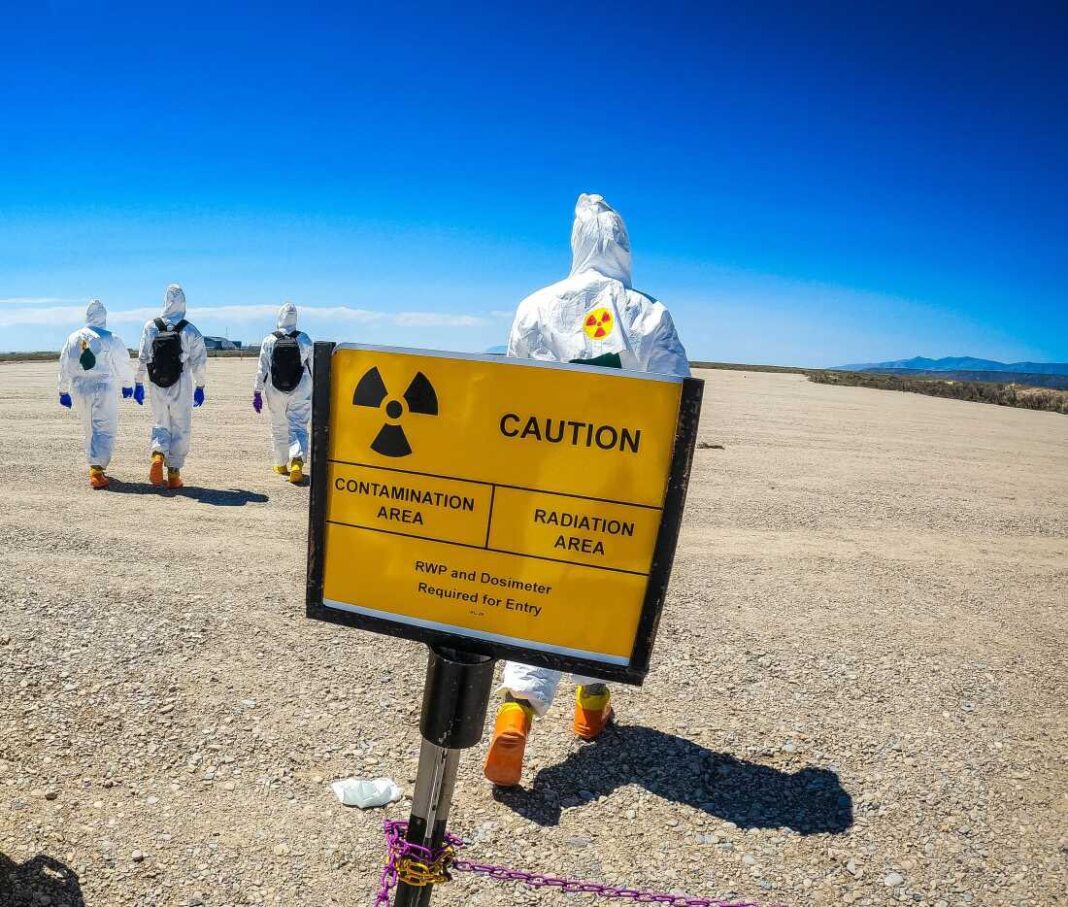
The discussion within Washington about deploying U.S. ground forces to the Middle East—and potentially into Iran itself—signals a shift from a primarily air and naval campaign toward broader strategic options.
While no final decision has been made, the mere consideration of “boots on the ground” reflects the growing complexity of the conflict and the limitations of current military approaches.
JUST IN – Trump considers deploying thousands more U.S. troops to “reinforce” operations in the Middle East, in addition to the 5,000 marines and sailors already approved to deploy on amphibious assault ships — Reuters pic.twitter.com/A39k91uzHH
— Disclose.tv (@disclosetv) March 19, 2026
From Containment to Control
So far, U.S. operations have focused on:
- Airstrikes targeting missile and drone infrastructure
- Naval operations against Iranian maritime assets
- Efforts to degrade Iran’s military capabilities
However, these measures have not fully achieved key strategic objectives—particularly:
- Securing uninterrupted shipping through the Strait of Hormuz
- Neutralizing Iran’s ability to project maritime disruption
- Controlling escalation dynamics
This gap between tactical success and strategic outcome is driving discussions about expanding the mission.
The Strait of Hormuz Problem
At the center of the debate is the Strait of Hormuz, one of the world’s most critical energy chokepoints.
Securing it is not as simple as naval patrols.
Even if U.S. forces dominate the waterway itself:
- Iran can disrupt shipping from coastal areas
- Missiles, drones, and mines extend the threat zone beyond the strait
- Selective access control can continue without full closure
This raises the possibility that securing the Strait may require control of adjacent land-based systems—a task that could involve ground forces.
Kharg Island: The Strategic Center of Gravity
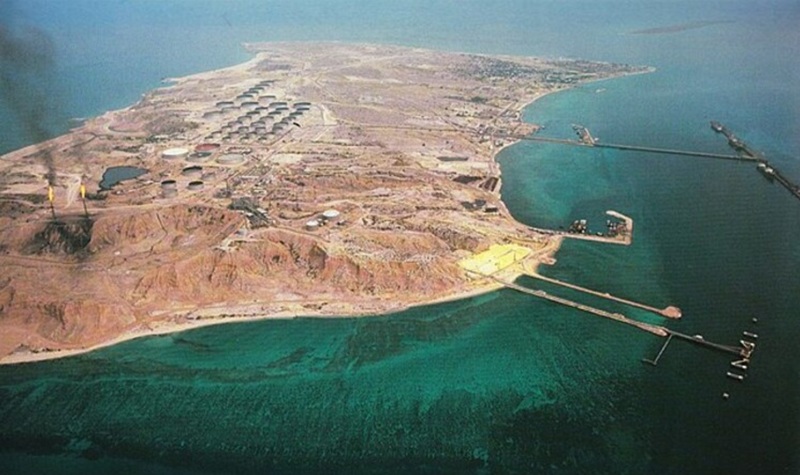
One of the most discussed targets is Kharg Island, which handles the majority of Iran’s oil exports.
From a strategic perspective, controlling the island offers two options:
- Disrupt Iran’s economy by blocking exports
- Use it as leverage without destroying critical infrastructure
However, such an operation would be highly risky:
- The island is within range of Iranian missiles and drones
- Maintaining control would require sustained military presence
- Any deployment could escalate into a broader ground conflict
The Nuclear Dimension
Another option under consideration involves securing Iran’s highly enriched uranium stockpiles.
This objective is significantly more complex:
- Facilities are dispersed and hardened
- Many are located underground
- Operations would require specialized forces and intelligence
Even limited missions would carry high operational and political risks.
Military Capability vs Political Constraints
While the U.S. military has the capability to execute such operations, the political environment presents constraints.
- Public support for a prolonged conflict is limited
- Previous commitments to avoid new Middle East wars remain relevant
- Casualties, even at current levels, are already a factor
This creates a tension between military feasibility and political sustainability.
Force Posture and Operational Trade-Offs
The potential deployment of additional troops must also be viewed in the context of broader force posture.
- Amphibious units and Marine Expeditionary Units are already moving into the region
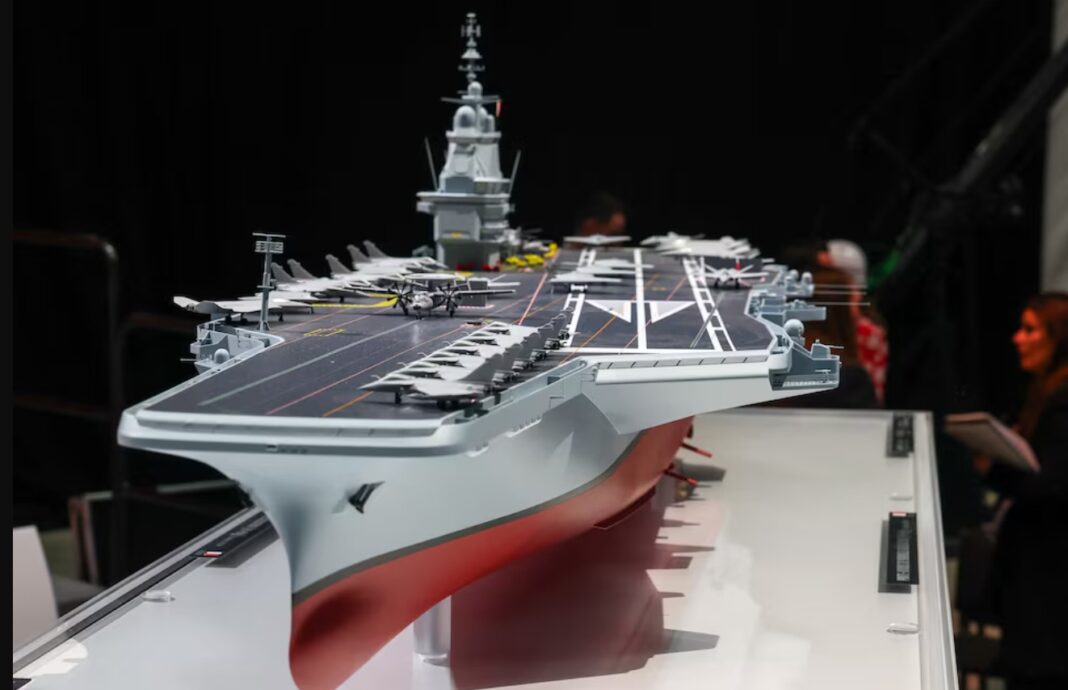
- Carrier strike group availability is fluctuating due to maintenance cycles
- Existing troop levels in the region remain significant
Reinforcements would expand operational flexibility but also increase exposure and logistical demands.
Strategic Uncertainty and Mixed Signals
U.S. policy signals remain mixed.
On one hand:
- Objectives include degrading Iran’s military and preventing nuclear capability
On the other:
- There is hesitation about committing to deeper involvement
- Calls for allied participation have met limited response
- Discussions include both escalation and potential disengagement
This reflects a broader uncertainty about end-state objectives.
The Core Dilemma
The current situation highlights a fundamental strategic dilemma:
- Air and naval power can degrade capabilities
- But may not achieve control over key objectives
Ground forces could:
- Expand operational reach
- Enable control over critical infrastructure
- Increase pressure on Iran
But they also:
- Raise the risk of escalation
- Require long-term commitment
- Introduce political and military costs
Toward a Decision Point
The discussion of troop deployment does not mean it is imminent—but it indicates that existing strategies may be insufficient on their own.
Washington is effectively evaluating whether:
- To continue with a limited campaign
- Or transition toward a more decisive—but riskier—approach
Conclusion
The consideration of U.S. ground forces in Iran marks a critical inflection point in the conflict.
It reflects the limits of current military tools in achieving strategic outcomes and underscores the complexity of securing objectives like the Strait of Hormuz, Kharg Island, and nuclear assets.
Ultimately, the decision will hinge not just on military capability—but on how much risk the United States is willing to accept in pursuit of a durable outcome.