The U.S. operation in Venezuela has widely been framed as a move to counter China’s influence in Latin America. But senior policy watchers and regional specialists argue the primary strategic target was Cuba, not Beijing. The operation, they say, is designed to dismantle a decades-old power architecture that quietly bound Caracas to Havana—and to sever the energy lifeline that has sustained Cuba’s economy.
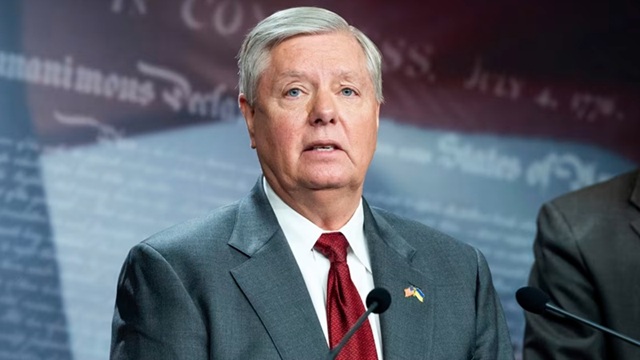
A central architect of the approach is believed to be U.S. Secretary of State Marco Rubio, a seasoned Latin America hand with deep familiarity with Cuba’s security footprint. Analysts note that while China’s presence in Venezuela mattered, Washington’s more urgent objective was to neutralize Cuban operational control inside Venezuela.

Cuba’s Deep Grip on Venezuela
For more than 20 years, Venezuela has operated under intensive Cuban influence, beginning after Hugo Chávez sought Havana’s help following a failed coup and doubts about his own military’s loyalty. Thousands of Cuban personnel—doctors, technicians, trainers, and intelligence officers—were embedded across Venezuelan institutions.
Their role extended to military oversight, surveillance systems, sensitive databases, and presidential security, creating what insiders describe as a “coup-proof” system. In return, Venezuela supplied Cuba with heavily discounted oil—at times up to 100,000 barrels per day—forming the backbone of Cuba’s energy and financial stability.
Maduro’s Removal: Symbolic, Not Structural
The capture of Nicolás Maduro removed a visible figurehead, not the underlying system. The Cuban network on the ground remains the real source of regime continuity, which explains the immediate defiance from interim authorities and calls for Maduro’s return.
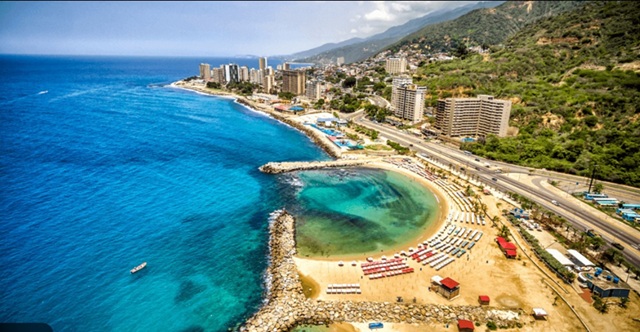
Rather than install a new government outright, Washington has opted for logistical and economic leverage: controlling coastal ports, enforcing maritime and air interdiction, and potentially establishing secure “green zones” around key terminals. This approach can halt oil and goods flows to Cuba without occupying the oil fields themselves.
Oil—But Not a Gulf War Play
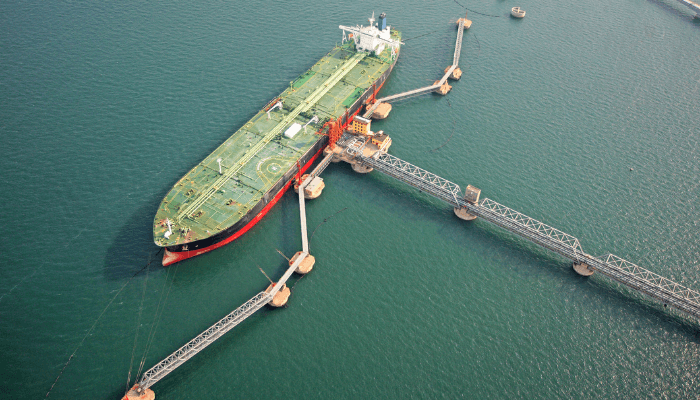
References to “oil” should not be read as a rush to extract. Building extraction capacity would take years. The near-term objective is to choke Cuba’s energy and finances, aligning with a Western Hemisphere security doctrine that treats Havana as a long-standing strategic challenge.
Why China Wasn’t the Main Target
China’s footprint in Venezuela was real, but not core to Beijing’s global priorities. Washington can disrupt shipments at ports without seizing infrastructure, effectively resetting the China-Venezuela relationship. U.S. officials have signaled that China can still buy Venezuelan oil—as a customer, at market prices, not as an owner-operator—while the U.S. gains leverage by controlling the storefront.
This indirect approach avoids escalation after a bruising trade war, while preserving a bargaining chip should tensions rise again.
Russia, Guyana, and Migration
Russia is more deeply embedded than China, with contractors and security ties that complicate any settlement. That track may unfold separately. Meanwhile, Guyana’s newly discovered offshore fields—operated by ExxonMobil—are now less vulnerable to Venezuelan claims.
Domestically, the operation also serves U.S. migration policy. Control over ports or designated zones could provide a legal pathway to repatriate Venezuelan migrants to U.S.-administered areas, easing pressure at the border.
Analysis
Taken together, the operation aims to weaken Cuba’s state capacity, reframe China as a buyer rather than a stakeholder, keep Russia off-balance, and restore U.S. leverage in Latin America. If additional steps against Cuba follow, it will confirm that Venezuela was the arena—not the prize—in a broader regional strategy.