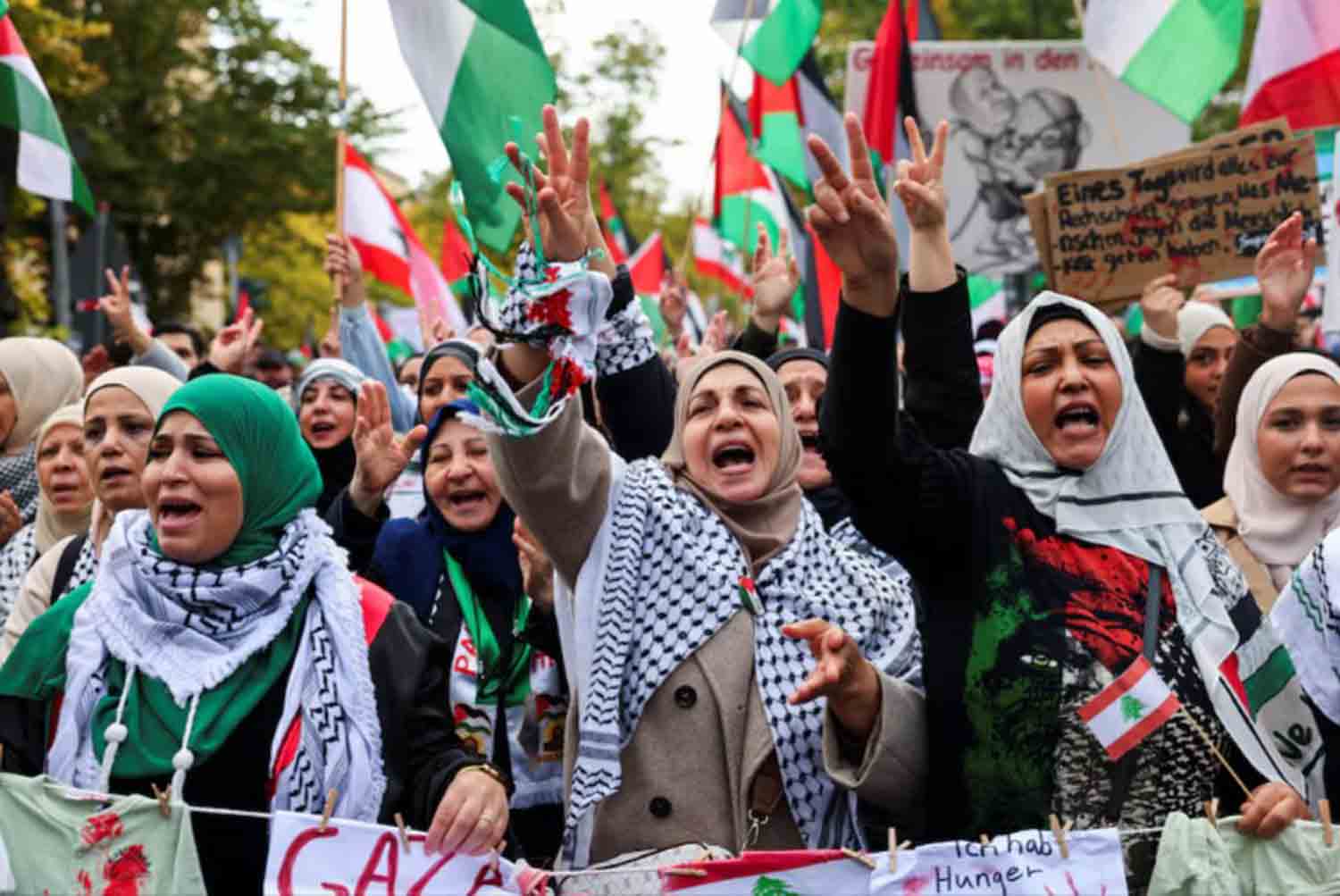
The decision by several Western countries to formally recognise the State of Palestine in September 2025 emerged as one of the most significant diplomatic developments of the year, injecting fresh momentum into a conflict long frozen by geopolitical paralysis. Driven largely by France, the move was hailed as a symbolic breakthrough for Palestinians—but it also exposed the stark limits of international recognition without enforcement.
On the sidelines of the 80th United Nations General Assembly in New York, France was joined by Britain, Portugal, Canada, Australia and Belgium in announcing recognition of Palestine, as Israel intensified its military campaign in Gaza and accelerated settlement expansion in the occupied West Bank. For Palestinians, the announcements represented long-overdue political acknowledgment. For critics, they raised the question of whether symbolism could translate into tangible change on the ground.
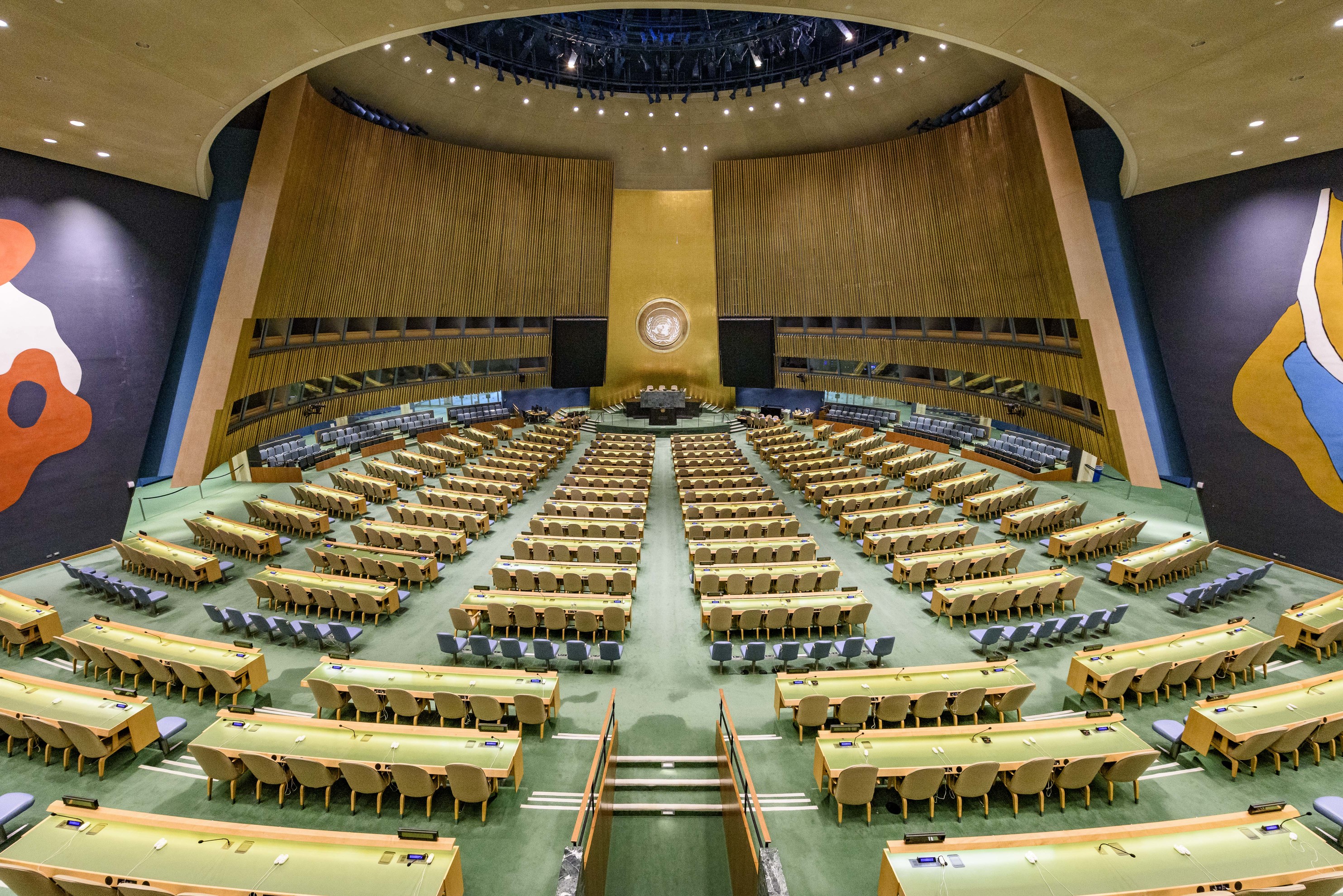
France played the central catalytic role. President Emmanuel Macron formally declared recognition on September 22 during his address to the UN General Assembly, framing the decision as a reaffirmation of the two-state solution—still widely regarded internationally as the only viable framework for resolving the Israeli-Palestinian conflict.
The move provoked a sharp reaction from Israeli Prime Minister Benjamin Netanyahu, who rejected the creation of a Palestinian state and denounced the recognitions as “a huge reward for terrorism,” referring to Hamas and the October 7 attacks.
According to Jean-Paul Chagnollaud, emeritus professor and honorary president of the Institute for Research and Studies on the Mediterranean and the Middle East (IREMMO), France’s decision marked a genuine political shift rather than a mere rhetorical gesture. He said Paris deliberately sought to mobilise a segment of the Western world that had historically avoided formal recognition, culminating in the New York Declaration signed by 142 states.
France’s initiative extended beyond bilateral announcements. Together with Saudi Arabia, Paris co-chaired an international conference that led to the UN General Assembly’s adoption of the New York Declaration on September 12. The declaration described recognition of the Palestinian state as “essential and indispensable” and outlined what was termed an “irreversible” roadmap toward a two-state settlement, while explicitly excluding Hamas from any future political role in Gaza.
Chagnollaud noted that Macron’s position evolved rapidly in 2025. After years of conditioning recognition on prior peace with Israel, the French president shifted course following his April visit to Egypt near the Gaza border, where the scale of destruction and civilian suffering reportedly influenced his decision.
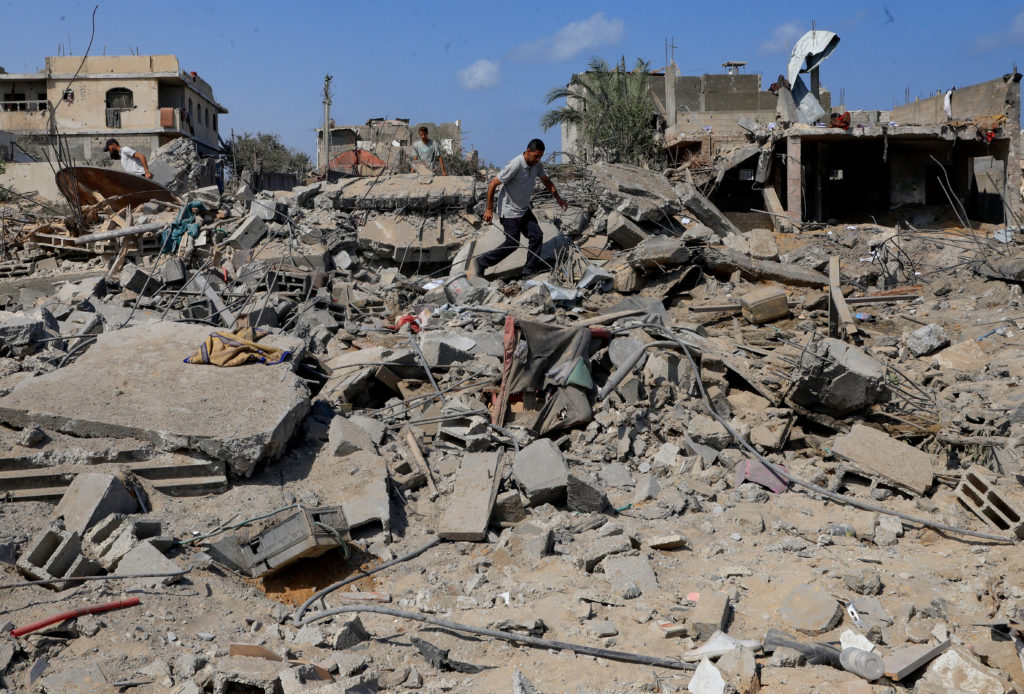
Despite the diplomatic fanfare, the recognitions have had little immediate impact on realities on the ground. Israel’s occupation remains intact, settlement construction continues, violence against Palestinian civilians has not abated, and Hamas still controls the Gaza Strip. While France argued that recognition added pressure on Israel to accept a Gaza ceasefire—eventually announced weeks later under pressure from US President Donald Trump—the broader power dynamics remain unchanged.
Analysts warn that without concrete follow-through, including coordinated diplomatic pressure or sanctions, the recognitions risk becoming counterproductive. European states, they argue, lack meaningful leverage compared with the United States, which opposed both the recognitions and the New York Declaration.
The brief diplomatic momentum was soon eclipsed by Trump’s peace plan, which succeeded in imposing a ceasefire in Gaza but was structured primarily around US and Israeli security priorities. While it reduced immediate violence, it left core Palestinian grievances unresolved, reinforcing concerns that international attention may again shift away from the political roots of the conflict.
As Chagnollaud cautioned, without sustained pressure and implementation, recognition alone may not halt what he described as the political and physical erosion of the Palestinian cause. Instead of marking the beginning of a new diplomatic phase, 2025’s recognitions may come to be remembered as a powerful gesture that fell short of reshaping Palestinian realities—unless followed by decisive action.