


The U.S. operation in Venezuela has triggered one of the most consequential global reactions to American power in years. By removing Venezuelan President Nicolás Maduro and asserting temporary control over the country’s transition, Washington has crossed a threshold that many governments believed belonged to an earlier era of interventionist foreign policy.
While reactions from the world’s major powers have been swift and vocal, the real story lies in the gap between strong rhetoric and limited concrete retaliation—a dynamic that will shape U.S. foreign policy and global power politics in the years ahead.
Russia: Sharp Condemnation, Limited Capacity to Escalate
Russia was among the first major powers to denounce the U.S. action, calling it a blatant violation of international law and Venezuelan sovereignty. Moscow framed the operation as proof that Washington still practices regime change when it suits its interests.
Yet despite the strong language, Russia’s practical response has so far been restrained. With strategic focus and military resources tied down elsewhere, Moscow has limited room to confront the United States directly in the Western Hemisphere. Instead, Russia is likely to capitalize politically, using the Venezuela case to justify its own actions globally and weaken U.S. moral authority in international forums.
In essence, Russia’s response has been loud diplomatically but cautious operationally.
China: Strong Political Pushback, Calculated Strategic Restraint
China’s reaction has been unusually direct. Beijing condemned the operation as destabilizing and warned against undermining international norms. Unlike Russia, China has substantial economic and strategic stakes in Latin America, including long-term investments and energy interests in Venezuela.
However, China’s response is best understood as defensive rather than confrontational. Beijing is expected to protect its citizens, assets, and diplomatic influence while avoiding any military or coercive counter-move. The priority for China is precedent: the fear that unilateral regime removal could normalize great-power intervention under security or anti-crime pretexts.
The Venezuela operation strengthens Beijing’s long-standing narrative that the U.S. selectively applies international law—an argument China may increasingly deploy in global diplomacy.
Europe and Traditional U.S. Partners: Legal Alarm Without Alignment
European governments and close U.S. partners reacted with visible discomfort. While many have been critical of Maduro’s rule, they emphasized sovereignty, due process, and multilateral mechanisms rather than endorsing the U.S. action.
This cautious response reflects a deeper concern: if the United States acts unilaterally, allies risk being associated with precedents they cannot control. The result has been diplomatic distancing rather than outright confrontation—a sign that Washington’s coalition-based leadership model is under strain.
The United Nations and the Limits of Multilateralism
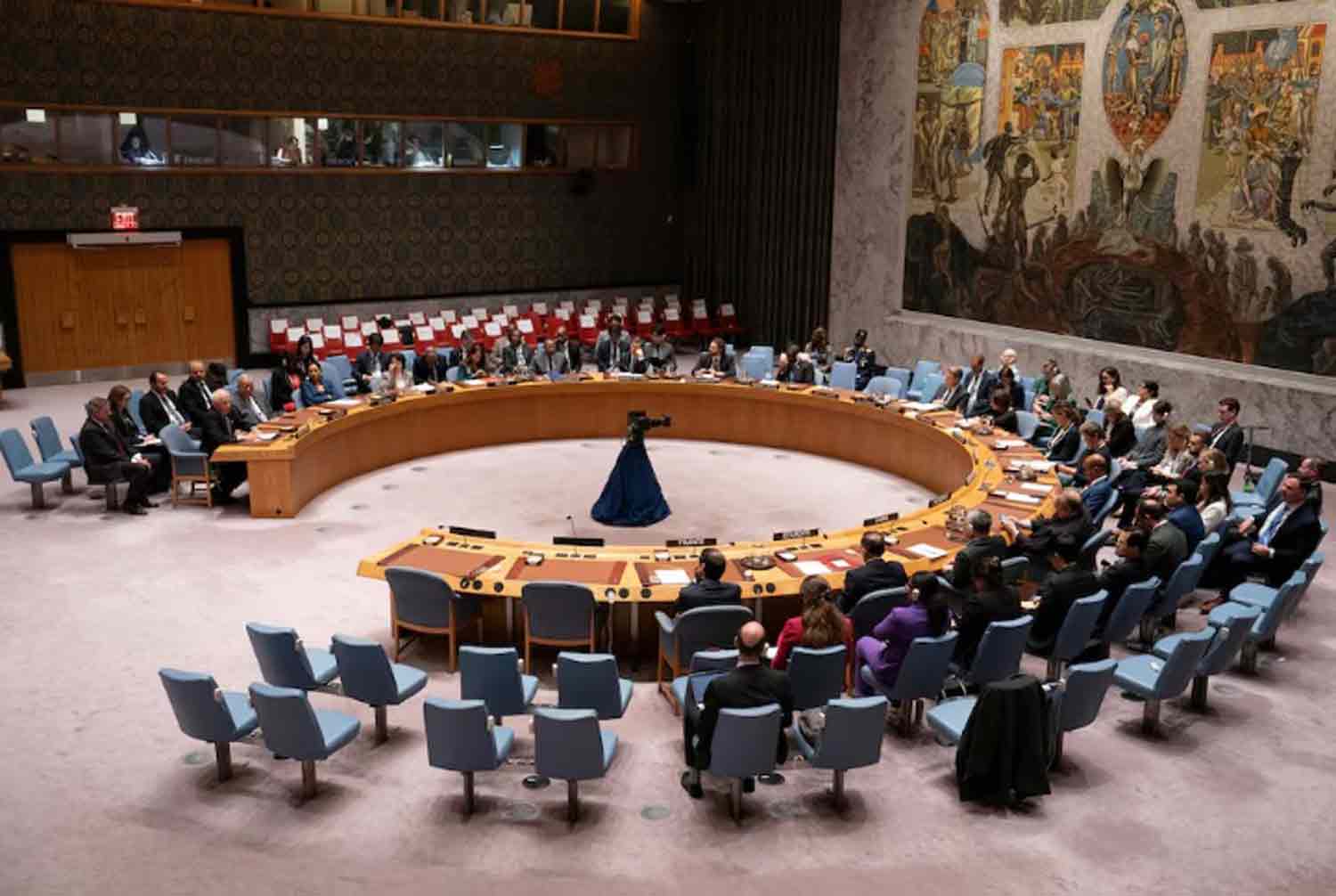
At the United Nations, the operation was widely described as a dangerous precedent. Emergency discussions underscored fears that the seizure of a sitting head of state could erode the foundations of international law.
Yet the UN’s response also revealed its limitations. With permanent members divided, meaningful enforcement action remains unlikely. The institution has become a stage for narrative competition rather than a mechanism for reversal.
Was the Global Response Strong or Weak?
Strong in principle, weak in practice.
Major powers voiced clear opposition, and the legal critique was widespread. However, there has been no coordinated sanctions regime, diplomatic isolation campaign, or collective countermeasure against Washington. This imbalance reflects both U.S. power and the absence of a unified alternative leadership bloc.
The result is a world where norms are challenged rhetorically but enforced selectively.
Impact on U.S. Foreign Policy and Global Role
1. A Shift Toward Unilateral Enforcement
The operation signals a move away from coalition-led legitimacy toward direct power projection, where Washington acts first and seeks justification later.
2. Erosion of Moral Authority
Even when rivals do not retaliate materially, U.S. credibility as a defender of international norms is weakened—making future diplomacy harder and more transactional.
3. Strengthening Rival Narratives
Russia and China now possess a powerful example to argue that global politics is governed by force and spheres of influence, not rules.
4. Long-Term Consequences in Latin America
The operation has revived deep regional anxieties about sovereignty and intervention, potentially accelerating diplomatic hedging and deeper engagement with non-U.S. partners.
5. Domestic and Strategic Risk
If temporary control becomes prolonged or unstable, the U.S. could face mission creep, domestic political backlash, and strategic distraction from other global priorities.
Conclusion
The Venezuela operation marks a turning point in U.S. global behavior. The world’s response—forceful in words but limited in action—reveals both America’s enduring power and the fragility of the international order that once constrained it.
For Washington, the challenge ahead is clear: whether this display of dominance becomes a one-off exception or the foundation of a new, more unilateral U.S. foreign policy doctrine.


