
Turkey is seeking to join a growing defense alignment between Saudi Arabia and nuclear-armed Pakistan, according to a Bloomberg report citing officials familiar with the discussions.
If realized, the move would mark a significant strategic realignment, potentially altering the balance of power in the Middle East while strengthening defense cooperation across the Islamic world.

What Is the Saudi–Pakistan Defense Understanding?
While not a formal NATO-style alliance, Saudi Arabia and Pakistan have maintained deep military and security ties for decades, including:
- Pakistani troop deployments for Saudi internal and external security
- Joint military exercises and training programs
- Close intelligence cooperation
- Longstanding strategic dialogue on regional threats
Pakistan’s status as the only Muslim-majority nuclear power gives this relationship a unique strategic weight, even though Islamabad has consistently stated it does not extend its nuclear umbrella to other states.
Why Turkey Wants In
Turkey’s interest reflects a convergence of strategic, political, and industrial goals.
1. Expanding Strategic Influence
Under President Recep Tayyip Erdoğan, Turkey has pursued a more assertive foreign policy, seeking:
- Greater influence in the Middle East
- Strategic autonomy from Western security structures
- Leadership in Muslim-world defense cooperation
Joining a Saudi–Pakistan security framework would place Ankara at the center of a new multipolar security bloc.
2. Defense Industry Synergy
Turkey has emerged as a major defense exporter, supplying:
- Drones
- Armored vehicles
- Naval platforms
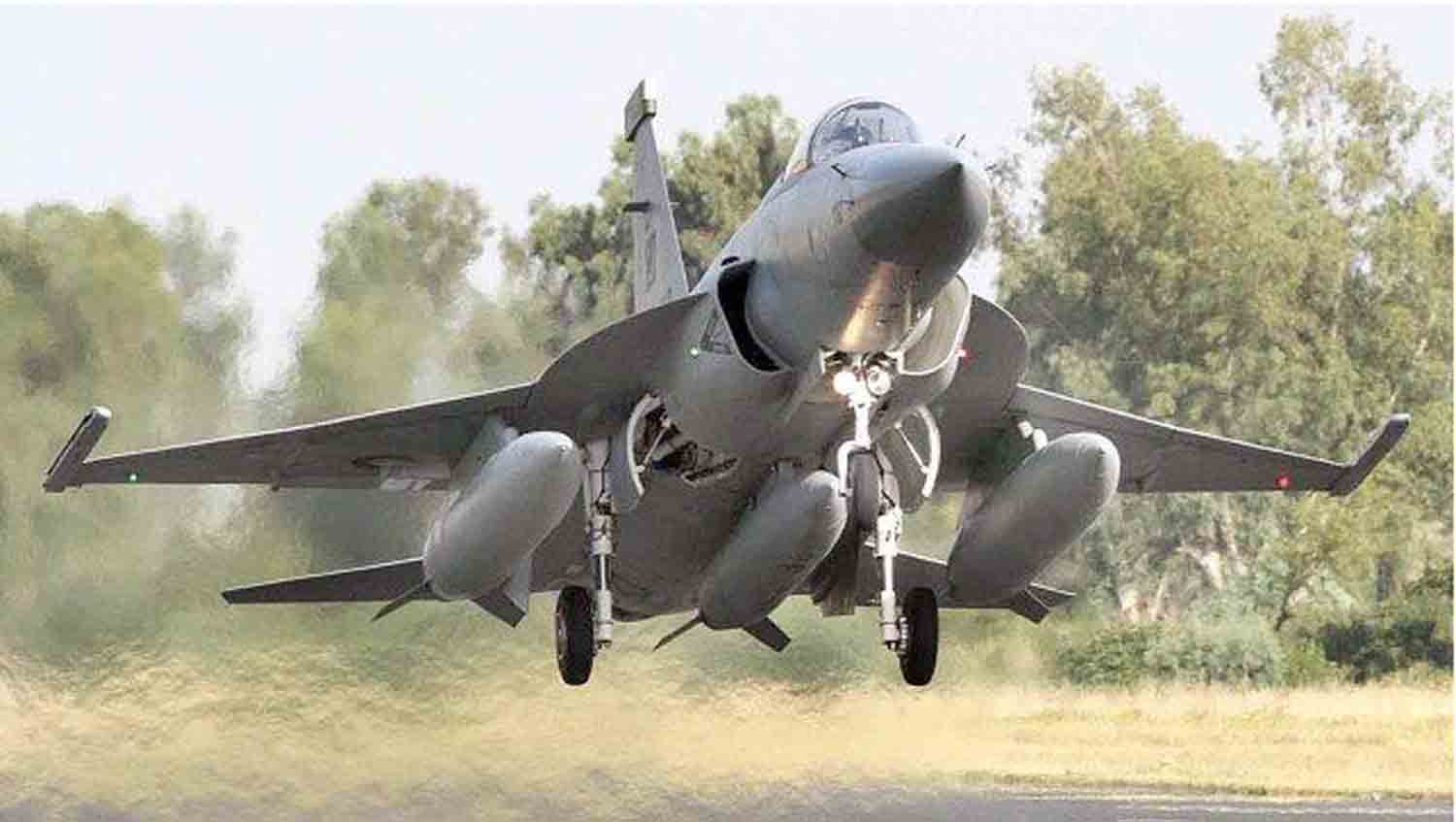
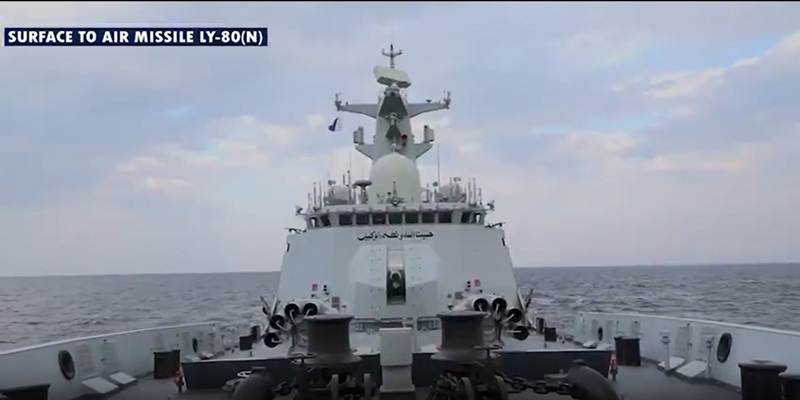
Pakistan and Turkey already cooperate on projects such as:
- Naval modernization
- Aerospace collaboration
- Joint production and technology transfer
Saudi Arabia’s vast defense budget makes trilateral cooperation economically and strategically attractive.
3. Shared Security Concerns
All three countries face overlapping challenges:
- Regional instability
- Missile and drone threats
- Terrorism and non-state actors
- Shifting US and Western security priorities
A trilateral framework could improve interoperability, intelligence sharing, and coordinated responses.

Why This Matters for the Middle East
A Turkey–Saudi–Pakistan defense alignment could:
- Reduce reliance on Western-led security architectures
- Create a parallel security axis alongside existing blocs
- Complicate regional calculations for rivals
It also comes at a time when Saudi Arabia is diversifying its defense partnerships and Turkey is recalibrating ties with both Gulf states and NATO allies.
Pakistan’s Strategic Calculus
For Pakistan, deeper trilateral cooperation offers:
- Enhanced diplomatic leverage
- Defense-industrial growth opportunities
- Reinforcement of its role as a key security partner in the Muslim world
Islamabad, however, is likely to proceed cautiously to avoid:
- Provoking regional escalation
- Being drawn into Middle Eastern rivalries
Is This a Formal Alliance?
At this stage, officials stress that discussions are exploratory, not treaty-based. Any arrangement is expected to focus on:
- Defense cooperation
- Joint exercises
- Training and technology sharing
Rather than collective defense commitments.
The Bigger Picture
The potential entry of Turkey into a Saudi–Pakistan defense framework reflects a broader global trend: middle powers building flexible, interest-based security partnerships as traditional alliances face strain.
If institutionalized, this axis could become one of the most influential non-Western security alignments of the coming decade.
Conclusion
Turkey’s reported bid to join the Saudi–Pakistan defense understanding signals more than routine diplomacy. It highlights the emergence of a new strategic geometry—one shaped by regional ambitions, defense autonomy, and shifting global power structures.
Whether this evolves into a formal alliance or remains a strategic partnership, its implications will be felt well beyond the Middle East.