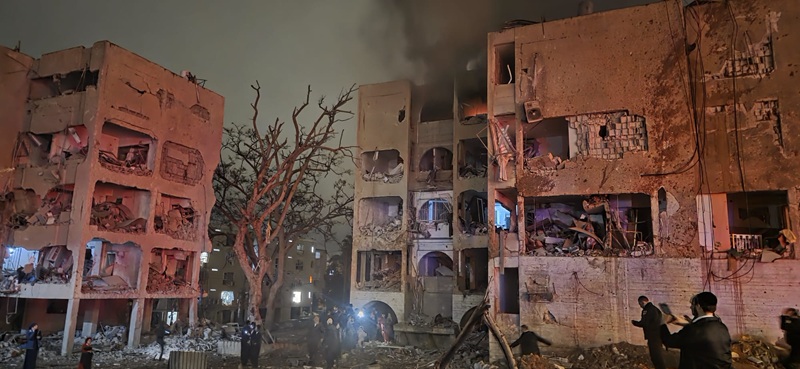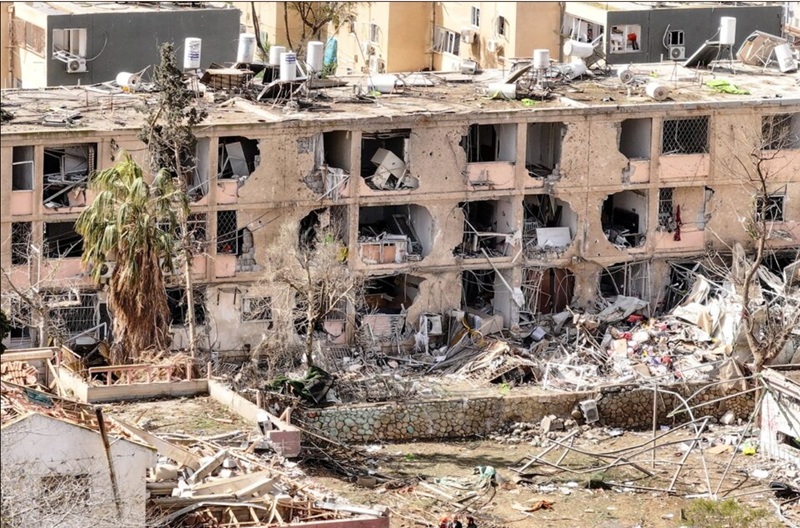
The United States is approaching a critical decision point in its conflict with Iran—one that could significantly increase the likelihood of strategic failure.
Recent signals suggesting potential strikes on Iran’s electrical power infrastructure reflect a long-standing doctrine within U.S. airpower thinking. However, historical evidence and strategic analysis indicate that targeting national power grids rarely achieves decisive military or political outcomes.
Instead, such actions may trigger unintended consequences, including civilian harm, regional escalation, and global economic disruption.
The Myth of Power Grid Warfare
For decades, U.S. airpower doctrine has viewed electrical systems as a “high-value target.” The logic is straightforward:
- Disrupt electricity → collapse economy
- Collapse economy → weaken leadership
- Weaken leadership → force political change
However, historical evidence does not support this chain of assumptions.
According to a detailed U.S. Air Force study on strategic attacks against electrical systems, no conflict has been decisively won by targeting power grids alone.
The study concludes that:
- Attacks on electricity fail to break civilian morale
- Political leadership remains largely unaffected
- Military operations continue with backup systems
Limited Military Impact, High Civilian Cost
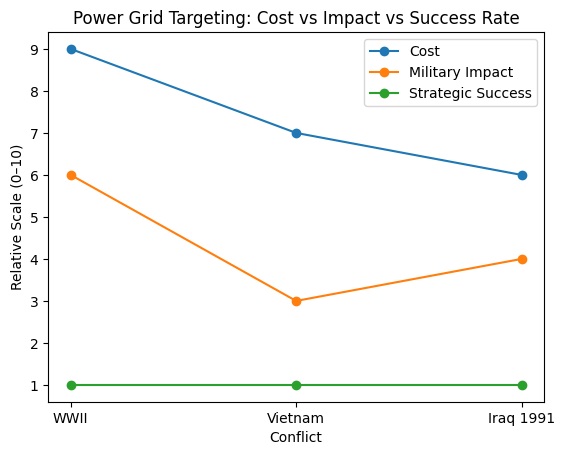
Military Resilience
- Armed forces consume relatively small portions of national electricity
- Critical systems rely on backup generators
- Command structures remain operational
Civilian Vulnerability
- Hospitals lose life-saving capabilities
- Water, sanitation, and transport systems collapse
- Economic activity halts
The result is a strategy that inflicts widespread civilian suffering without delivering decisive military advantage.
Why Power Grid Attacks Fail Strategically
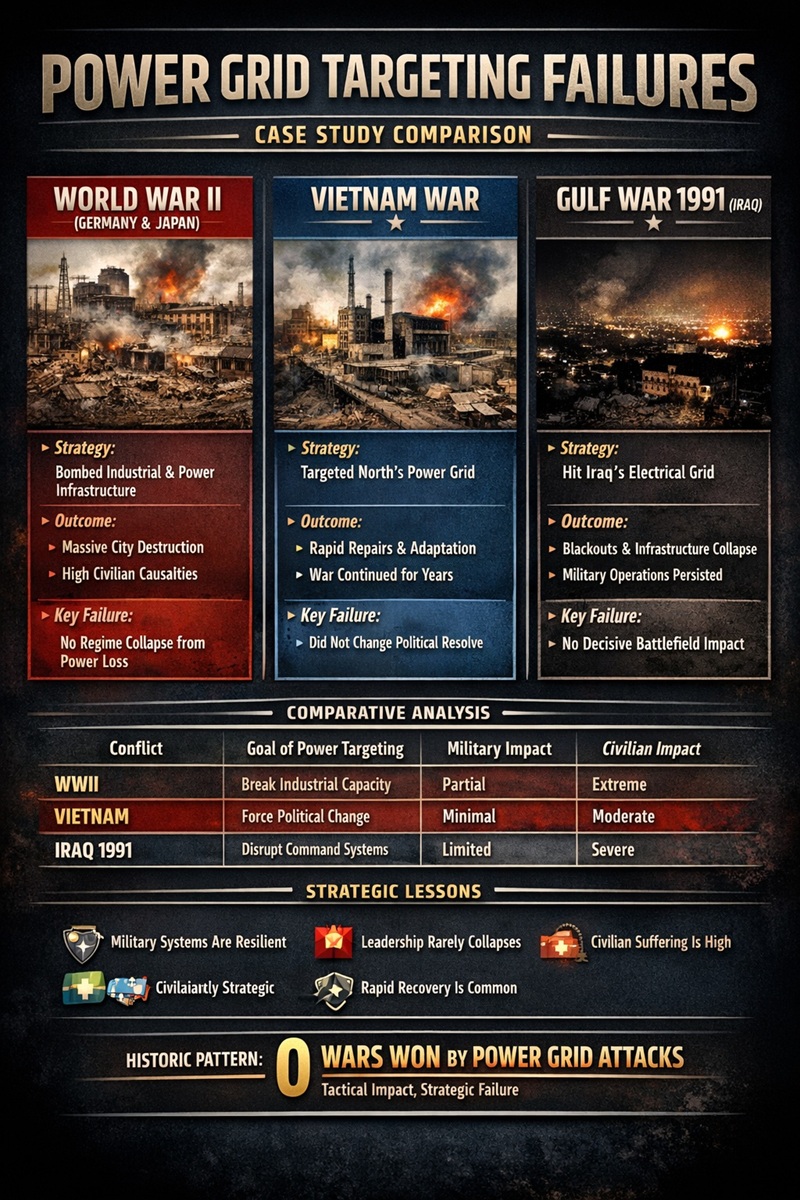
The failure of this approach stems from structural realities:
1. Leadership Insulation
Political and military leaders are typically protected from infrastructure disruptions, limiting pressure for policy change.
2. System Redundancy
Modern electrical grids are interconnected, allowing power rerouting and partial recovery.
3. Backup Systems
Military and critical infrastructure often operate independently of national grids.
4. Historical Precedent
From World War II to modern conflicts, targeting electricity has not achieved regime change or decisive victory.
The study emphasizes that the only scenario where power grid attacks may be effective is in long-term industrial attrition wars, not limited or modern conflicts.
Escalation Risk: From Power Grids to Energy Warfare
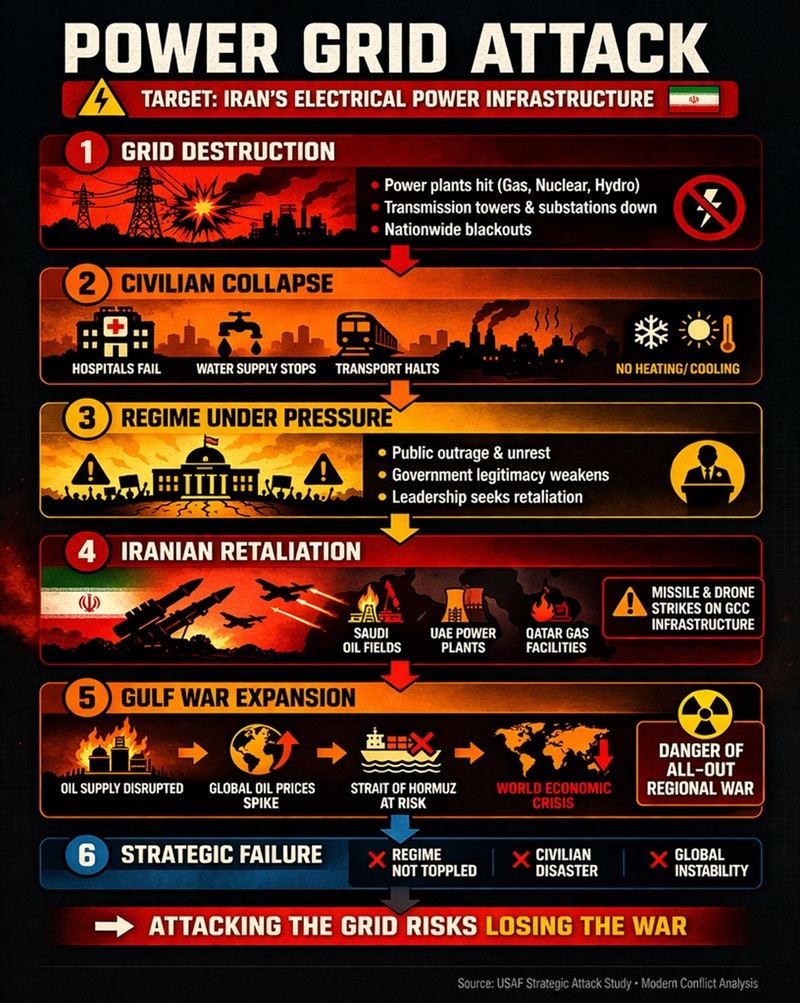
Targeting Iran’s electrical infrastructure carries significant escalation risks—particularly in the Gulf region.
Iran has the capability to retaliate against:
- Gulf Cooperation Council (GCC) energy infrastructure
- Oil and gas facilities
- Maritime energy routes
Such retaliation could result in:
- Long-term damage to global energy supply
- Disruption of oil markets
- A broader economic shock
Rather than ending the conflict, power grid attacks could expand it into a regional energy war.
Global Economic Consequences
The Gulf region remains central to global energy flows.
Any escalation involving:
- Iranian retaliation
- Attacks on oil infrastructure
- Disruption in the Strait of Hormuz
…could trigger a global economic crisis.
The interconnected nature of modern energy markets means that even localized damage can have worldwide effects, including:
- Rising oil prices
- Supply shortages
- Market instability
Strategic Miscalculation at a Critical Moment
The decision to target Iran’s electrical infrastructure reflects a broader strategic miscalculation.
Instead of accelerating victory, it risks:
- Prolonging the conflict
- Increasing civilian suffering
- Expanding the war’s geographic scope
More importantly, it may strengthen Iran’s geopolitical position by:
- Justifying retaliation
- Expanding its deterrence narrative
- Increasing regional leverage
Conclusion
History offers a clear warning: attacking electrical power systems does not win wars.
As the United States approaches a critical decision point, the risks of targeting Iran’s power grid outweigh the potential benefits.
Rather than achieving strategic success, such a move could trigger escalation, destabilize global energy markets, and deepen the conflict—turning a tactical action into a strategic setback.