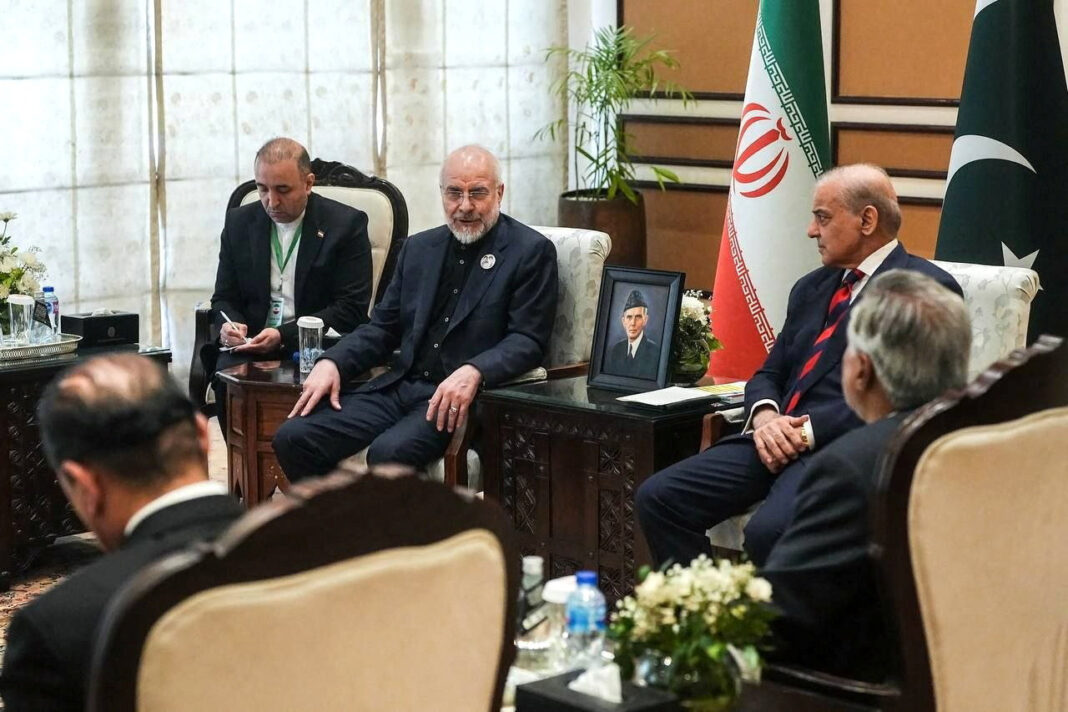
Direct negotiations between the United States, Pakistan, and Iran have entered a new phase in Islamabad, with officials confirming a rare trilateral face-to-face meeting that has now moved beyond political signaling into technical-level bargaining.
According to a senior White House official, the talks mark one of the most significant diplomatic breakthroughs between Washington and Tehran in recent years, with experts from both sides now working through specific issues related to a long-term ceasefire framework.
The shift into technical discussions suggests that negotiations are no longer limited to broad principles and may now be focusing on implementation details.
Direct Talks Break Major Diplomatic Barrier
The meeting is being widely viewed as a major psychological breakthrough.
For years, direct face-to-face diplomacy between U.S. and Iranian senior leadership has remained rare and politically sensitive.
Today’s talks, however, brought senior delegations together in the same room for approximately two hours, according to Pakistani sources.
The reported participants included:
Core US Delegation
- JD Vance
- Steve Witkoff
- Jared Kushner
Iranian Delegation
- Mohammad Bagher Ghalibaf
- Abbas Araghchi
Pakistani sources also indicated that the Pakistan Army Chief was present, underlining Islamabad’s role as a key diplomatic facilitator.
Talks Move Into Technical Negotiations
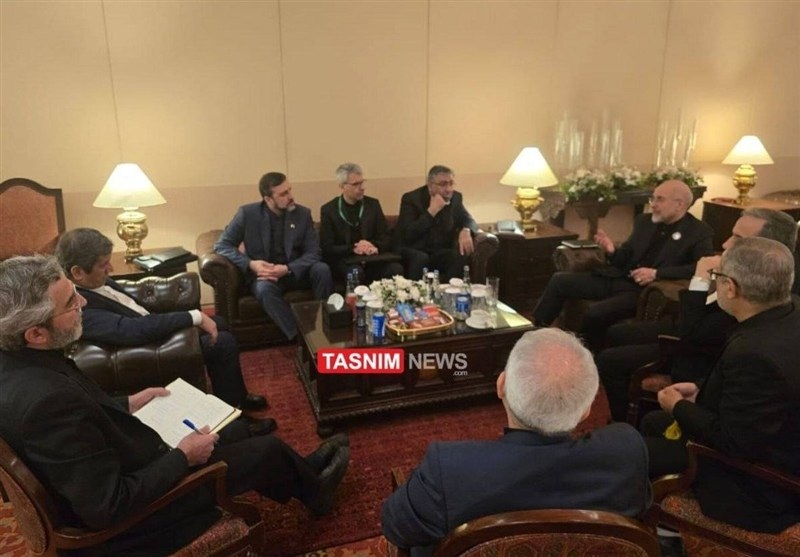
Iranian media, including Tasnim News Agency, reported that the discussions have now moved into technical negotiations on specific issues.
Negotiations between Iran and the United States, mediated by Pakistan, have progressed into a specialized expert phase, with key members of Iran’s technical committees engaging directly to advance critical discussions at the Serena Hotel in Islamabad.https://t.co/YJdDYuyhxT pic.twitter.com/q3nOXnNJaI
— Tasnim News Agency (@Tasnimnews_EN) April 11, 2026
This suggests a significant evolution from symbolic diplomacy to actual bargaining.
Experts from both sides are now reportedly reviewing detailed frameworks.
A one-day extension of the talks remains possible, although no final decision has yet been announced.
This development strongly indicates that negotiators may be working toward a structured formula for sustaining the ceasefire.
Strait of Hormuz and Uranium Monitoring at Core of Talks
The most likely technical issues under discussion include:
- reopening and security of the Strait of Hormuz
- monitoring of enriched uranium stockpiles in Isfahan
- military de-escalation mechanisms
- phased sanctions relief
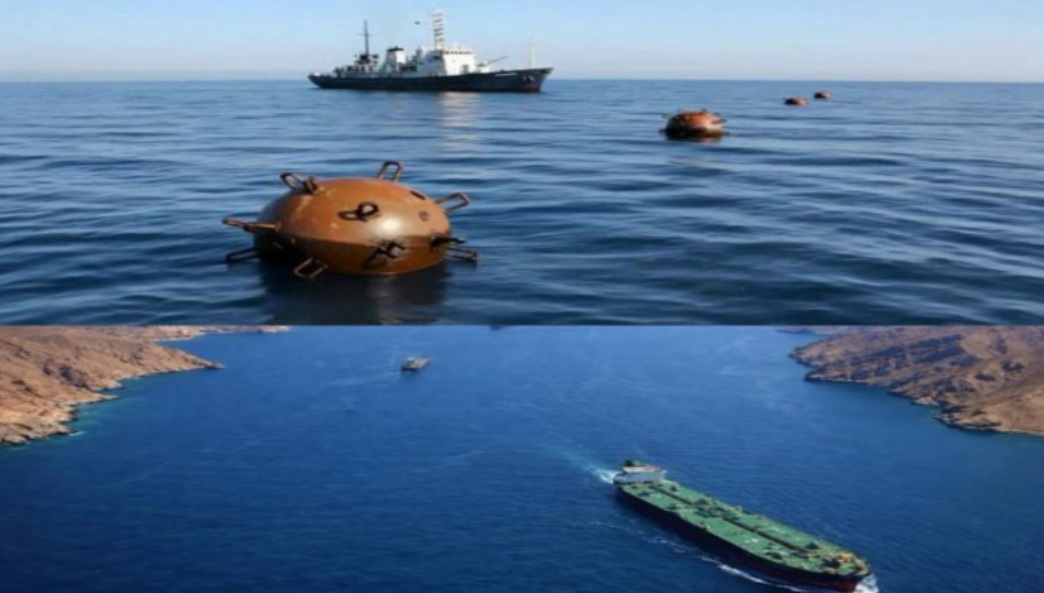
The Strait of Hormuz remains central to global markets, carrying approximately 20% of the world’s oil supply.
This makes its reopening and maritime security arrangements one of the most urgent issues on the table.
President Donald Trump also stated that the U.S. is beginning the process of “clearing out the Strait of Hormuz.”
While details remain unclear, the statement suggests continued American military involvement in ensuring freedom of navigation.
Ceasefire Could Lead to Partial Economic Reintegration
If talks progress toward a deal, Iran may be positioned for partial reintegration into the global financial system.
Potential outcomes being discussed in diplomatic circles include:
- partial return to SWIFT
- restoration of exports to Europe and Asia
- removal of roughly 60–70% of economic sanctions
- limited financial normalization
Such steps would likely be phased and linked to compliance benchmarks.
This would stop short of full sanctions removal but still represent a major economic shift.
China Could Play Major Reconstruction Role
Another key post-agreement dimension may involve China.
If a durable ceasefire framework emerges, Beijing is widely expected to take a leading role in infrastructure investment and economic reconstruction inside Iran.
This would align with China’s long-term strategic interest in Iranian energy and regional connectivity.
Long-Term Military Freeze More Likely Than Full Resolution
The most realistic near-term outcome may not be a full final settlement, but rather a managed freeze.
That would likely involve:
- ceasefire continuation
- uranium monitoring
- sanctions easing
- military rebuilding restrictions
Iran would still be expected to quietly restore military capacity over the medium term.
Some strategic assessments estimate a 3–4 year timeline for return to pre-war capability.
This makes the current talks less about permanent resolution and more about stabilizing a fragile regional balance.