
The dramatic U.S. action in Venezuela has triggered one of the most profound political reckonings in Latin America in decades. With the removal of Venezuelan President Nicolás Maduro, Washington has signaled a return to a more forceful, interventionist posture—one that many governments across the hemisphere believed belonged to the past.
For Latin America, the event is not just about Venezuela. It has reopened old historical memories, reshaped diplomatic calculations, and injected a sense of uncertainty into regional politics, particularly regarding the future role of the United States under President Donald Trump.
The Immediate Political Mood: Shock, Silence, and Unease
Across Latin America, the initial reaction to the Venezuela operation was marked less by celebration and more by caution. Even governments that have long opposed Maduro refrained from openly endorsing the U.S. action. The prevailing mood among political elites has been one of strategic silence, reflecting concern about precedent rather than sympathy for Caracas.
In countries such as Colombia, Brazil, Chile, and Mexico, officials emphasized sovereignty, non-intervention, and regional stability. Colombian President Gustavo Petro, while critical of Maduro in the past, warned against unilateral actions that could destabilize the continent. Mexico reiterated its traditional doctrine of non-intervention, while Brazil called for diplomatic mechanisms to guide any political transition in Venezuela.
Public opinion across the region is deeply divided. Some sectors, frustrated with authoritarianism and economic collapse in Venezuela, quietly welcomed Maduro’s removal. Others, shaped by decades of U.S. interventions, viewed the action as a dangerous revival of imperial politics.
The U.S. Role: From Partner to Enforcer?
For much of the 21st century, the United States publicly emphasized partnership, multilateralism, and democracy promotion in Latin America. The Venezuela operation, however, has revived an older image of Washington as a regional enforcer willing to act unilaterally when its security or strategic interests are threatened.
The Trump administration framed the move as part of a broader campaign against drug trafficking and “narco-states,” arguing that Venezuela had become a hub for transnational crime. This framing has since expanded to include sharp warnings to other governments, notably Colombia, signaling that Washington may increasingly link domestic drug production and security issues to foreign policy pressure.
For many Latin American leaders, this approach blurs the line between legitimate security cooperation and coercive diplomacy.
Regional Reactions: Between Fear and Hedging
Governments
Most governments are now recalibrating their positions. Rather than openly confronting Washington, many are opting for hedging strategies:
- Strengthening regional forums to manage crises internally
- Diversifying diplomatic and economic ties beyond the U.S.
- Avoiding rhetoric that could invite direct confrontation
Even long-standing U.S. partners are quietly reassessing the risks of overdependence.
Societies
Among the public, the Venezuela action has reignited debates about sovereignty, democracy, and external influence. Younger generations, less tied to Cold War narratives, are split—some support decisive action against authoritarian regimes, while others fear a cycle of instability and foreign domination.
Long-Term Effects on Latin American Politics
1. Revival of Sovereignty Politics
Expect a renewed emphasis on national sovereignty in political discourse. Leaders across the ideological spectrum are likely to frame domestic legitimacy around resistance to external pressure, especially from Washington.
2. Fragmentation of the Left
The Latin American left is now more divided than at any point in recent memory. While some progressive leaders distance themselves from Maduro, they are equally unwilling to endorse U.S. intervention. This internal tension could reshape left-wing coalitions and electoral strategies.
3. Reduced Trust in U.S. Guarantees
Even allies may question whether U.S. support comes with unpredictable costs. This could reduce cooperation on sensitive issues such as security, intelligence sharing, and migration over the long term.
4. Greater Space for Extra-Regional Actors
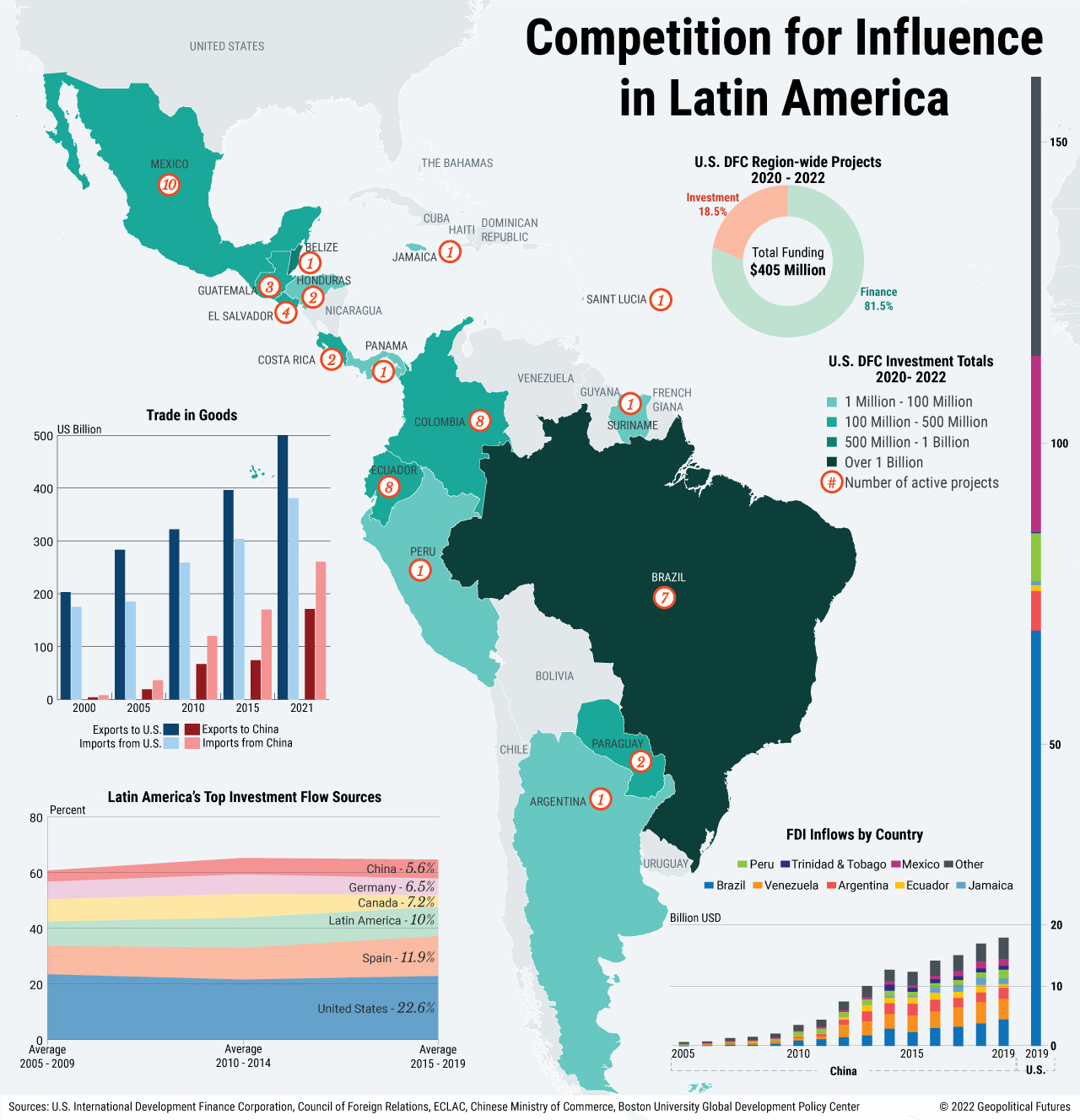
China, Russia, and other external powers may benefit indirectly. As Latin American states seek diplomatic and economic balance, they may deepen ties with non-Western partners—not out of ideology, but as insurance against unilateral pressure.
Strategic Analysis: A Turning Point, Not an Isolated Event
The Venezuela operation should be understood as a turning point rather than a single episode. It signals a U.S. willingness to reassert dominance in the Western Hemisphere at a time of global competition and domestic political polarization.
For Washington, the risk is clear: short-term tactical gains may produce long-term strategic losses if trust erodes across the region. For Latin America, the challenge lies in navigating between confronting authoritarianism and preserving autonomy.
The region’s political mood today is defined by uncertainty—an uneasy awareness that the rules of engagement with the United States may have fundamentally changed.