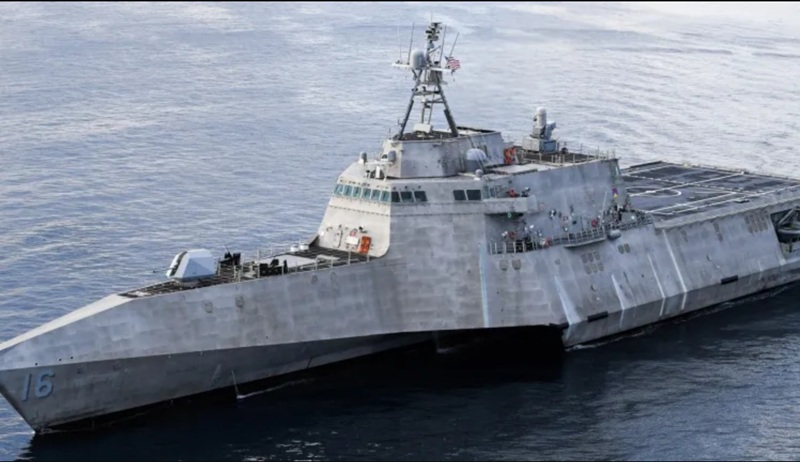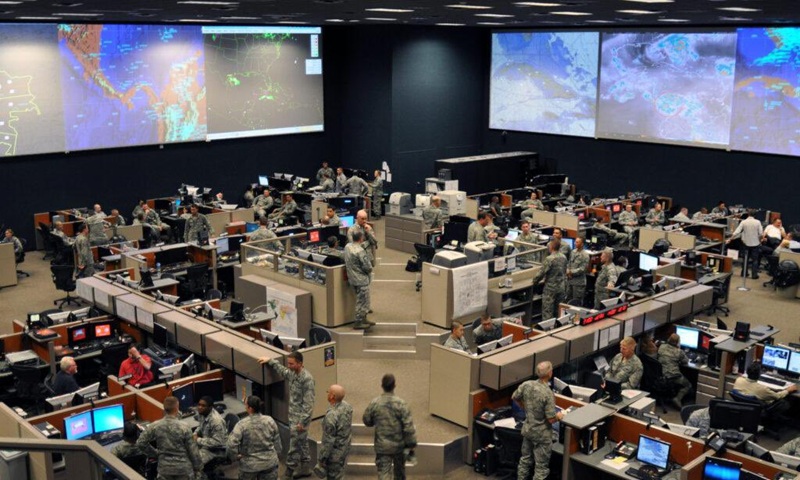
Seventeen days after the United States and Israel launched what has been described as one of the most advanced AI-integrated military campaigns in history, the strategic outcome remains deeply contested.
Despite rapid battlefield successes—enabled by artificial intelligence systems capable of identifying and striking thousands of targets—the Strait of Hormuz remains effectively disrupted, continuing to choke global energy flows.
This contrast highlights a growing gap between high-tech military dominance and real-world strategic outcomes.
AI-Driven Warfare Achieved Tactical Success

According to available assessments, the campaign demonstrated unprecedented integration of artificial intelligence in modern warfare.
AI systems reportedly:
- Identified over 1,000 targets within the first 24 hours
- Enabled real-time fusion of satellite, drone, radar, and signals intelligence
- Supported strikes on 15,000 targets within 13 days
- Severely degraded Iran’s missile capabilities by an estimated 90–95%
Command structures were disrupted, and key leadership targets were eliminated, suggesting a highly effective execution of conventional military objectives.
From a tactical perspective, the campaign achieved what planners intended: rapid dominance through precision and speed.
Strategic Failure: Strait of Hormuz Still Disrupted
However, the core strategic objective—securing the Strait of Hormuz—remains unmet.
The waterway, only about 21 miles wide, continues to face disruption from:
- Naval mines
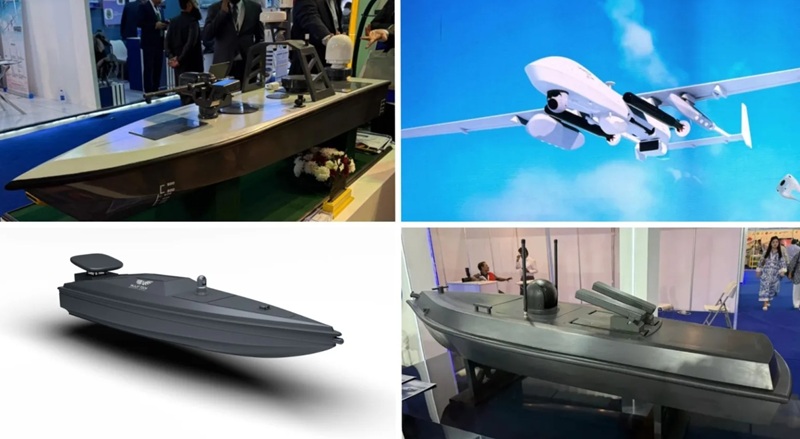
- Low-cost drones
- Small fast-attack boats
- Decentralized Iranian command structures
This demonstrates that even the most advanced AI systems cannot easily overcome asymmetric maritime warfare in confined geography.
Iran’s Mosaic Doctrine: Decentralized Warfare

Rather than relying on centralized command, Iran activated what analysts describe as a “Mosaic Doctrine.”
Key features include:
- 31 provincial commands with pre-delegated authority
- No need for central leadership approval
- Independent execution of attacks across multiple domains
This decentralization allows operations to continue even after leadership disruption, making it extremely difficult to fully neutralize the threat.
Economic Warfare: Insurance Collapse and Oil Shock
While AI targeted military infrastructure, the real impact of the conflict has been economic.
Key developments include:
- War-risk insurance premiums rising from 0.25% to 5%
- Major insurers suspending coverage for vessels
- Fuel prices surging globally
- Shipping traffic sharply reduced
In effect, the Strait of Hormuz has been disrupted not only physically but also financially.
Even without total closure, the cost of risk alone has halted commercial shipping.
Global Supply Chain Impact
The disruption has triggered cascading effects across global supply chains:
- One-third of seaborne fertilizer trade affected
- Industrial production declines in multiple countries
- Rising costs of fuel, chemicals, and pharmaceuticals
- Increased pressure on global inflation
Critical industries dependent on petrochemical supply chains—including agriculture, energy, and medicine—are now under strain.
Digital vs Physical Power: A Strategic Lesson
The conflict underscores a fundamental reality often overlooked in discussions about AI and modern warfare:
The digital layer depends on the physical layer.
Despite:
- Advanced AI targeting systems
- Real-time battlefield analytics
- Precision strike capabilities
The inability to secure a narrow maritime chokepoint demonstrates that physical geography and low-cost asymmetric tools can still dominate outcomes.
Cyber and Financial Dimensions
Another notable aspect of the conflict is the resilience of Iran’s financial and digital infrastructure.
Reports indicate:
- Billions processed through alternative financial channels
- Continued funding of operations despite military losses
- Targeting of digital infrastructure in the region
This suggests that future conflicts will increasingly involve hybrid warfare across military, financial, and digital domains.
The New Reality of Warfare
Six months ago, many analysts believed artificial intelligence would reduce costs and increase efficiency across economies and military operations.
Instead, the Strait of Hormuz crisis demonstrates the opposite:
- A single chokepoint can override technological advantage
- Low-cost weapons can counter high-end systems
- Economic disruption can outweigh battlefield success
Conclusion: When Technology Meets Geography
The ongoing crisis illustrates a critical shift in modern warfare.
Even the most advanced AI-driven military campaign cannot guarantee strategic success if:
- The enemy employs decentralized tactics
- Geography favors defensive operations
- Economic systems amplify disruption
As global powers continue to invest in artificial intelligence, the Strait of Hormuz stands as a reminder that control of physical chokepoints remains one of the most decisive factors in global power dynamics.
AI Warfare vs Asymmetric Warfare
Core Concept
| Category | AI Warfare | Asymmetric Warfare |
|---|---|---|
| Definition | High-tech, data-driven warfare using AI systems | Low-cost, unconventional tactics to exploit weaknesses |
| Objective | Rapid dominance through precision and speed | Prolong conflict and increase cost for stronger opponent |
Technology vs Simplicity
| Factor | AI Warfare | Asymmetric Warfare |
|---|---|---|
| Systems Used | AI targeting, satellites, data fusion platforms | Drones, mines, small boats, guerrilla tactics |
| Cost | Extremely high (billions of dollars) | Low cost (thousands to millions) |
| Complexity | Highly complex, tech-dependent | Simple, flexible, adaptable |
Battlefield Performance
| Factor | AI Warfare | Asymmetric Warfare |
|---|---|---|
| Speed | Very fast target identification & strikes | Slower but persistent pressure |
| Accuracy | High precision strikes | Not always precise but disruptive |
| Flexibility | Depends on systems & data | Highly flexible, decentralized |
| Survivability | Vulnerable if systems disrupted | Hard to eliminate completely |
Strategic Impact
| Factor | AI Warfare | Asymmetric Warfare |
|---|---|---|
| Short-Term Results | Rapid military success | Limited immediate damage |
| Long-Term Impact | May struggle with control & stability | Can sustain disruption for long periods |
| Dependency | Relies on digital & communication systems | Can operate with minimal infrastructure |
Example: Strait of Hormuz Scenario
AI Warfare Side
- Thousands of targets identified quickly
- Precision strikes degrade military assets
- Command structure disrupted
Asymmetric Warfare Side
- Naval mines block shipping lanes
- Low-cost drones harass vessels
- Swarm boats create constant threat
- Decentralized command keeps operations running
Key Insight
AI wins battles — Asymmetric warfare shapes outcomes
- AI systems dominate precision and speed
- Asymmetric tactics dominate resilience and disruption
Strategic Takeaway
Modern conflict is no longer one-dimensional:
High-Tech Power + Low-Cost Disruption = New Warfare Reality
Even the most advanced military systems can be challenged by:
- Geography (chokepoints like Hormuz)
- Decentralized command structures
- Economic and psychological pressure