A new annual conflict risk assessment by the Council on Foreign Relations (CFR) has highlighted a range of geopolitical flashpoints likely to shape global instability in 2026, with experts warning that the world continues to grow more violent and disorderly. The report, based on responses from U.S. foreign policy analysts and officials, ranks potential conflict scenarios by their likelihood and potential impact on global stability and U.S. interests. (Council on Foreign Relations)
The “Conflicts to Watch in 2026” survey, prepared by CFR’s Center for Preventive Action, is based on polling roughly 620 experts from government, academia, and policy circles who assessed 30 plausible conflict-related contingencies for the coming year.
Top-Ranked Risks for 2026
The report’s risk assessment matrix places several conflict scenarios in the highest category for both likelihood and impact:
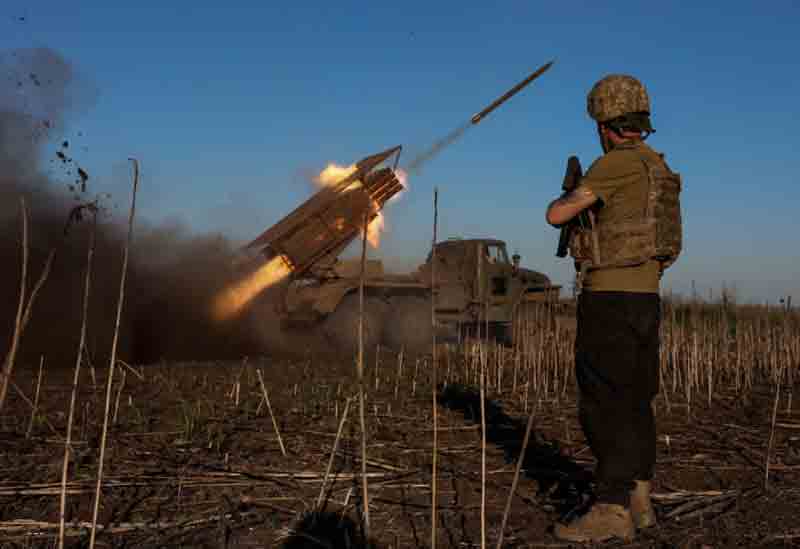
- An escalation in the Russia–Ukraine war, especially through expanded attacks on infrastructure and population centers.
- Renewed fighting in the Gaza Strip, driven by increasing clashes between militants and security forces.
- Growing unrest in the West Bank over political and territorial tensions.
- U.S. military operations in Venezuela against transnational criminal groups, with potential effects on the Maduro government.
- Widespread political violence and popular unrest in the United States, tied to heightened polarization and public security deployments.
Several other contingencies are ranked as having high impact but varying likelihood, including renewed armed conflict between Iran and Israel, disruptive cyberattacks on critical infrastructure, and intensified great-power tensions involving China, Russia and North Korea.
Regional Conflict Risks
The survey also assesses conflicts with moderate likelihood and impact. These include potential escalations of civil war in Sudan, violent clashes in Haiti, and ongoing insecurity in Somalia and the Horn of Africa. Other noted concerns cover fragile situations in the Sahel, northeastern Nigeria, Myanmar, and renewed violence in Cameroon.
Shifts from Prior Assessments
Compared with the 2025 survey, certain conflict risks were removed or reprioritized. The possibility of widespread conflict in Afghanistan did not make the 2026 list, while growing violence in other regions, such as political instability in Ecuador and new insurgencies in Cameroon, were included. The risk of a South China Sea confrontation remains of strategic concern but was rated lower in likelihood for 2026.
Conflict Prevention Focus
For the first time, the CFR survey also identifies opportunities for preventive action. Experts highlighted scenarios where the United States and international partners might bolster peace efforts, such as supporting efforts to prevent mass atrocities in Sudan or strengthening state institutions in fragile contexts.
Global Context
The CFR’s findings reflect expert concern that the number of armed conflicts is higher than at any point since World War II’s aftermath, with interstate tensions and internal instability both contributing to a disorderly global security environment.
The report aims to help policymakers anticipate and mitigate conflict drivers before they escalate, underscoring the importance of early warning and engagement.