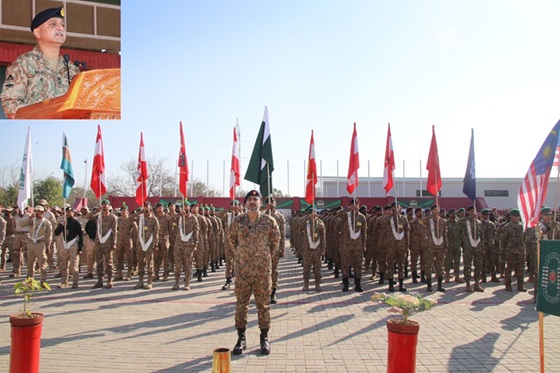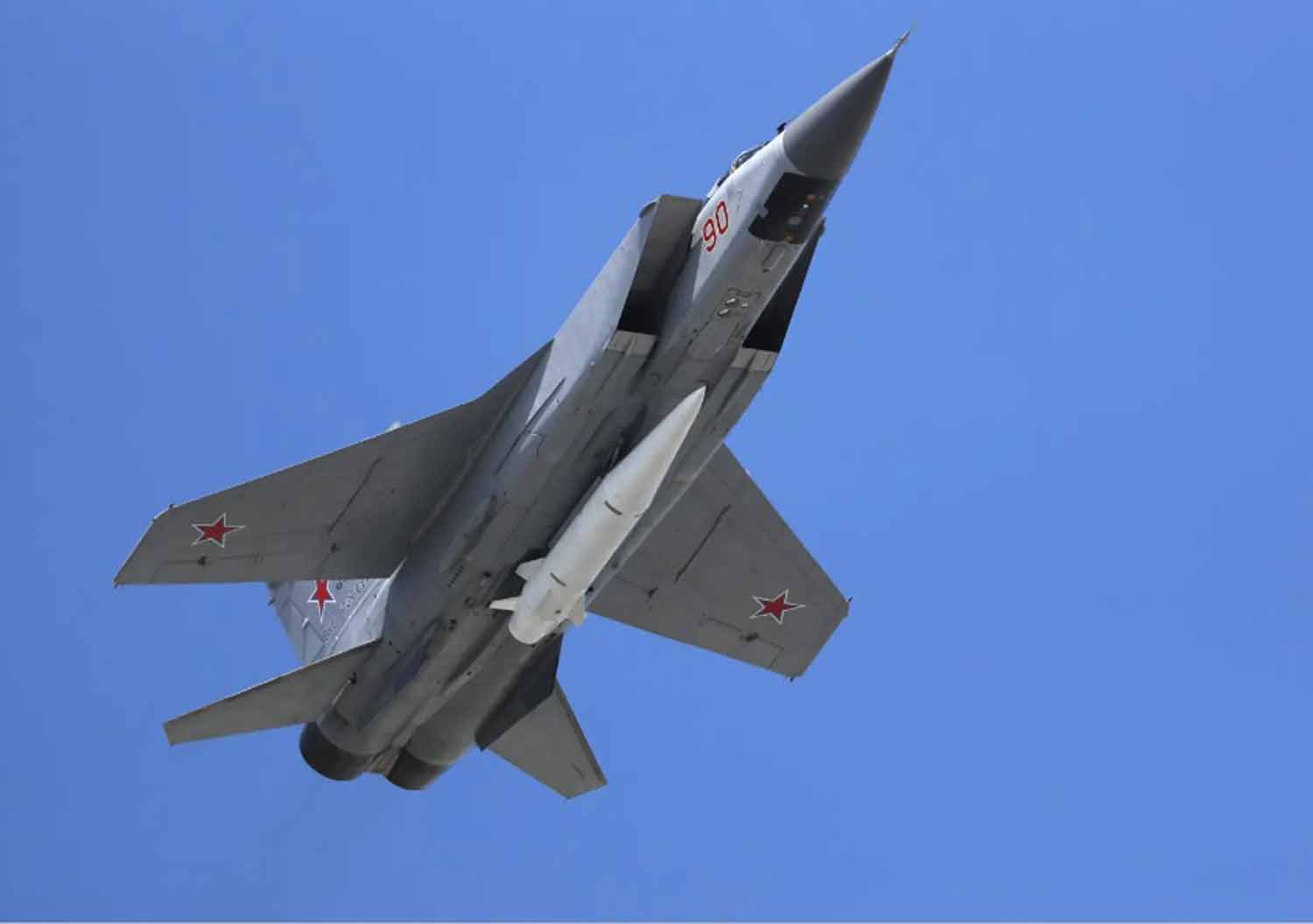
India’s decision to move the Advanced Medium Combat Aircraft (AMCA) programme away from Hindustan Aeronautics Limited (HAL) and toward private industry comes at a time when China has already operationalised fifth-generation airpower—and Pakistan is aligning itself with that ecosystem.
The comparison is unavoidable.
China: Fifth-Generation Fighters as a Mature Capability
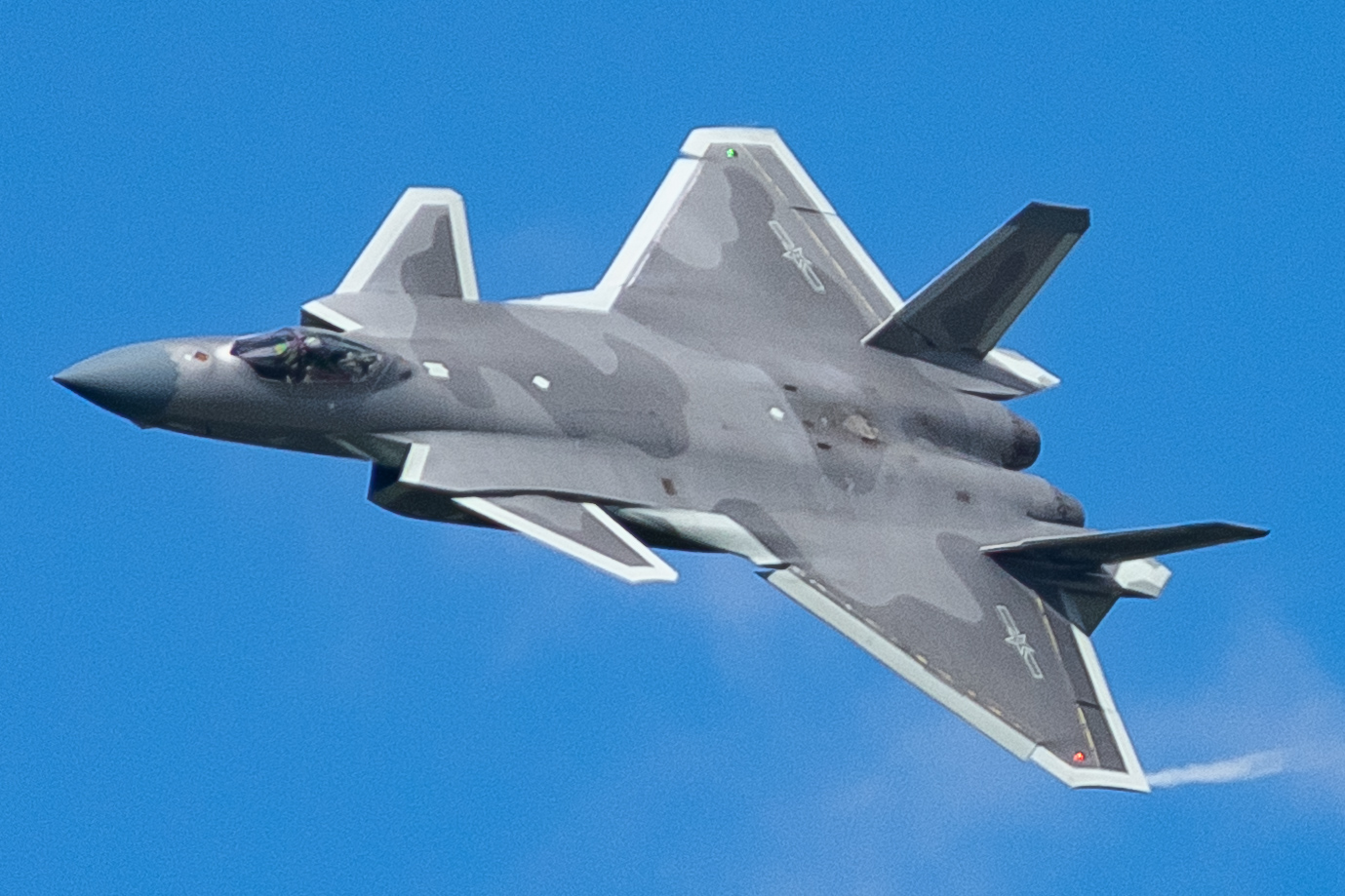
China inducted the Chengdu J-20 into operational service years ago. The aircraft is no longer experimental—it is deployed across multiple theater commands, powered by indigenous WS-15 engines, and integrated into China’s broader sensor-shooter network.
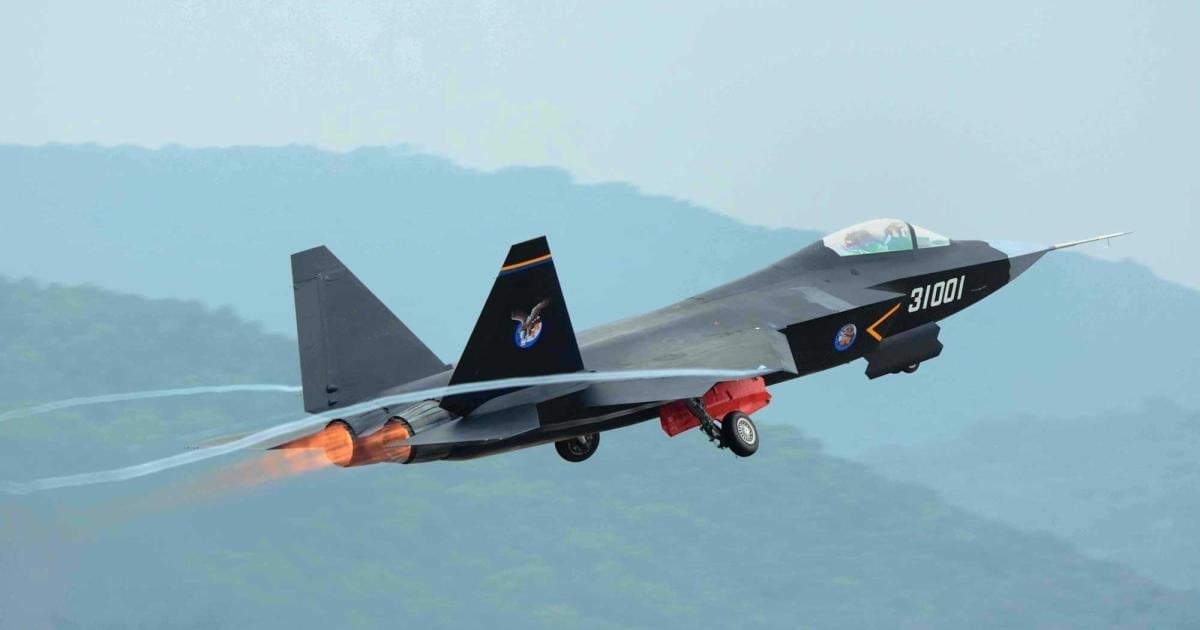
In parallel, China has developed the Shenyang FC-31 (often referred to as J-31), which has evolved from a technology demonstrator into a viable export-oriented stealth fighter.
Key distinctions in China’s approach:
- State-controlled industrial ecosystem with clear hierarchy
- No L1 (lowest-bidder) logic for strategic platforms
- Parallel development of airframe, engine, sensors, and weapons
- Early acceptance of risk, followed by rapid iteration
China absorbed failures early—and moved on. India is still debating who should build the aircraft.
Pakistan: No Fifth-Gen Yet—But No Strategic Isolation Either
Pakistan does not operate a fifth-generation fighter today—but it is not starting from zero.
The JF-17 Thunder Block III, co-developed with China, already incorporates:
- AESA radar
- Advanced electronic warfare
- Sensor fusion elements
- Long-range BVR missiles
More importantly, Pakistan has direct access to Chinese aerospace pathways. The FC-31/J-31 is widely viewed by analysts as the logical future platform for Pakistan—whether through acquisition, co-production, or derivative development—once Beijing clears export and strategic thresholds.
Unlike India, Pakistan is not trying to reinvent the entire fifth-generation stack domestically. It is leveraging alliance-based capability transfer.
India’s Core Problem: Process, Not Talent
India’s struggle is not a lack of engineers or ambition—it is institutional fragmentation.
AMCA highlights this clearly:
- Design authority with Aeronautical Development Agency
- R&D under Defence Research and Development Organisation
- Production now pushed to first-time private prime integrators
- Engine still foreign for initial squadrons
- Selection driven by cost metrics rather than capability maturity
China built the J-20 inside a single, vertically integrated state system.
India is trying to build AMCA across competing bureaucracies and balance sheets.
The L1 Trap: Why AMCA Risks Becoming Another Delay Story
Defence sources indicate that AMCA’s prototype contract may be awarded primarily on lowest-bidder (L1) criteria due to minimal technical differentiation among private bidders.
No fifth-generation fighter programme globally—US, Chinese, or Russian—has succeeded under a cost-first selection model. Stealth shaping, radar cross-section control, materials science, thermal management, and software integration are experience-heavy disciplines.
China accepted early inefficiencies.
India is trying to optimise before it even learns.
HAL’s Exit Makes the Gap Wider—Not Smaller
Ironically, HAL’s exclusion does not speed AMCA—it removes:
- India’s only combat-aircraft integrator with end-to-end experience
- Institutional memory from Tejas (despite its flaws)
- A buffer between DRDO designs and shop-floor realities
China never sidelined its state aerospace giants.
India just did—because they were “too busy”.
Strategic Contrast at a Glance
| Country | Fifth-Gen Status | Industrial Model | Risk Appetite |
|---|---|---|---|
| China | J-20 operational, FC-31 maturing | Centralised state control | High |
| Pakistan | No 5th-gen yet, Chinese pathway open | Alliance-based access | Moderate |
| India | AMCA pre-prototype | Fragmented, cost-driven | Low |
The Hard Truth
By the time AMCA enters service around 2035–2040:
- China will be fielding upgraded J-20 variants and sixth-gen prototypes
- Pakistan may already be inducting a stealth platform derived from FC-31
- India will still be closing capability gaps, not matching parity
The AMCA decision is therefore not just industrial—it is strategic.
India is attempting to leapfrog into fifth-generation combat aviation while still arguing about who holds the ladder.