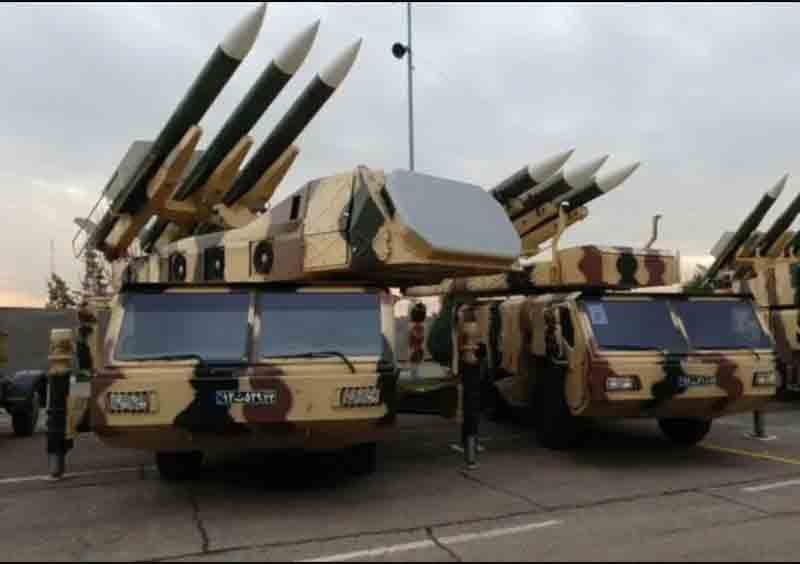
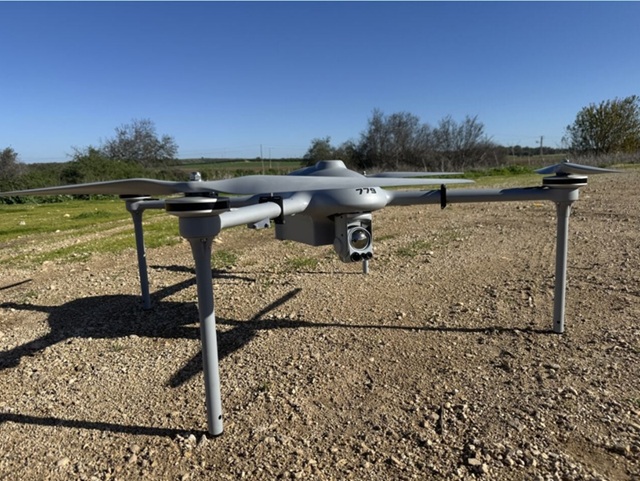
Artificial intelligence is becoming a central pillar of military operations across the Middle East, according to a new report by the The International Institute for Strategic Studies (IISS), which maps the growing spread of AI-powered command systems, surveillance networks, and battlefield technologies across the region.
The report, “The Proliferation of AI-Enabled Military Technology in the Middle East,” highlights how regional militaries are increasingly integrating AI into command and control, intelligence gathering, weapons systems, and logistics.
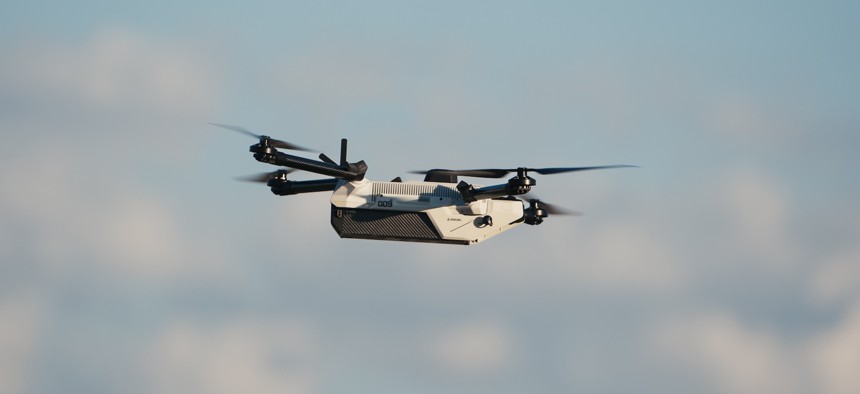
According to the IISS visual mapping, the report focuses on the architecture of AI-enabled military systems, showing how command, surveillance, targeting and logistics technologies are increasingly interconnected across the regional battlespace.
Israel’s AI Military Ecosystem Mapped
One of the most detailed parts of the IISS report is the mapping of selected Israeli AI networks.
The chart identifies multiple AI-enabled systems reportedly linked to military use, including:
- Lavender
- Where’s Daddy
- The Gospel (Habsora)
- Fire Weaver
- Blue Wolf
- Red Wolf
- White Wolf
- Pillar of Fire

These systems span several operational domains:
- command, control and communications
- intelligence, surveillance and reconnaissance
- weapons platforms
- logistics
The report’s network diagram also links these systems to major enabling technologies from global firms.
Big Tech’s Role in Military AI Infrastructure
The IISS report points to the growing involvement of major technology companies in enabling military AI ecosystems.
The report references infrastructure and software links involving:
- Microsoft
- Amazon
- Palantir Technologies
- OpenAI
- Oracle Corporation
- Cisco
- **Dell Technologies
Cloud platforms such as Azure, AWS Cloud, and Gemini / Vertex infrastructure are shown as enabling layers for selected systems.
This underscores how modern military AI increasingly depends on civilian cloud and data architecture.
AI Warfare Beyond Israel
The report also shows that AI-enabled military technologies are not limited to Israel.
Regional deployments and testing are mapped across several countries, showing how AI warfare capabilities are spreading throughout the Middle East.
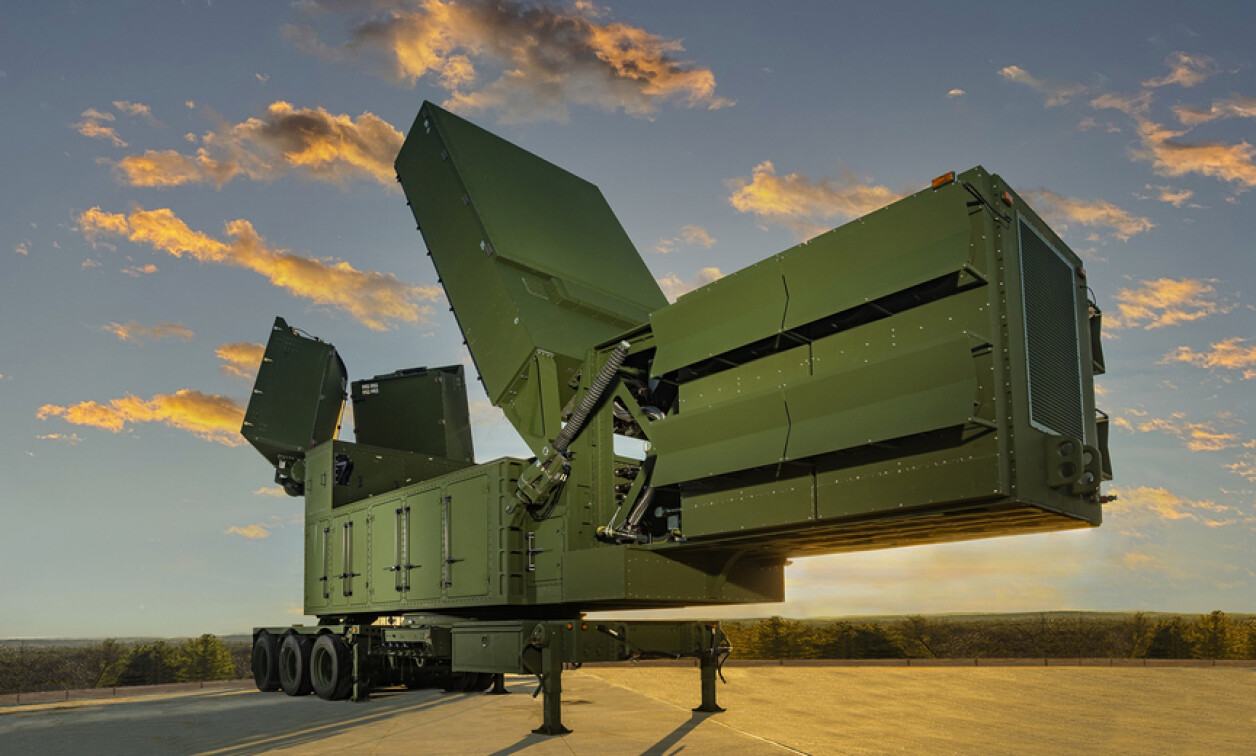
These technologies include:
- AI-assisted ISR
- autonomous surveillance
- predictive targeting
- battlefield communications
- logistics optimization
This reflects a broader shift in regional defense strategy, where AI is moving from support roles into frontline military operations.
Corporate Governance and Military AI Ethics
The report focuses on the governance policies of major technology firms involved in AI-enabled military systems.
The IISS compares company policies on:
- weapons restrictions
- surveillance use
- human-in-the-loop requirements
- international humanitarian law
- national security exemptions
This governance framework is particularly significant as military use of commercial AI tools continues to expand.
According to the report notes, Google and OpenAI removed previous prohibitions on military use in 2025 and 2024 respectively.
This policy shift has major implications for the future of defense technology and AI warfare.
The Future of Warfare in the Middle East
The IISS report suggests that AI-enabled military technology is now becoming deeply embedded in regional conflict environments.
From facial recognition and battlefield analytics to cloud-based targeting systems, AI is increasingly shaping:
- intelligence cycles
- targeting decisions
- surveillance operations
- combat support
This marks a significant transformation in how military power is projected across the Middle East.