India’s defence research establishment has welcomed the Union Budget 2026 as a turning point, but a closer reading of recent remarks by Samir V Kamat, Chairman of the Defence Research and Development Organisation, suggests that while funding momentum is real, delivery timelines remain long and risks unresolved.
Speaking to ANI, Kamat described the budget as “very good” for indigenous defence development, highlighting a capital outlay of ₹1.39 lakh crore for indigenous systems and an overall defence capital budget of ₹2.19 lakh crore. DRDO itself has received a 15.6 percent increase in its capital budget—undoubtedly a significant boost for research and development.
However, increased allocation does not automatically translate into near-term capability, especially in areas where India has historically struggled.
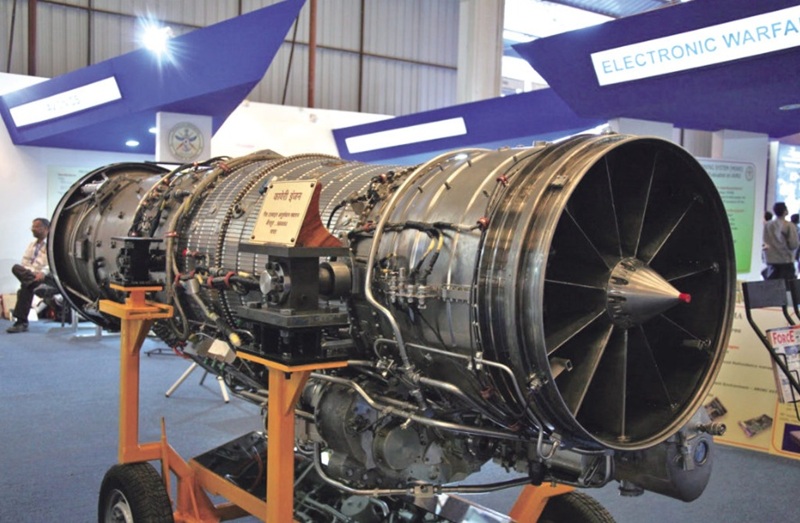
#WATCH | Delhi: On Kaveri engine development, DRDO Chairman Samir V Kamat says, “Kaveri engine, in its original form, has not delivered the thrust that is required for the LCA. The engine is working very well, it has given us a thrust of 72 kilonewton. But the LCA needs a thrust… pic.twitter.com/VxpPEry843
— ANI (@ANI) February 2, 2026
Aero-Engines: Strategic Priority, Strategic Delay
Kamat confirmed that aero-engine development remains DRDO’s top priority, calling it a “long-drawn process” that typically takes 10–13 years globally to mature. Even if India’s Cabinet Committee on Security clears a new engine program in 2026, integration readiness is projected only by 2035–2036.
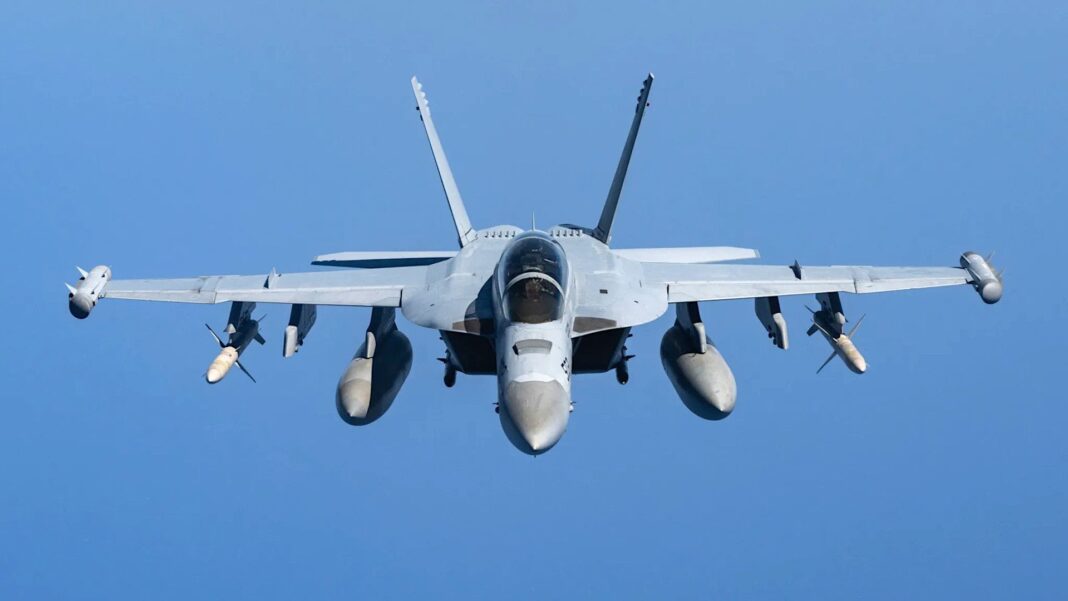
This timeline exposes a critical dependency gap. India’s fifth-generation Advanced Medium Combat Aircraft (AMCA) will rely on imported General Electric F414 engines for its first two squadrons, with indigenous powerplants arriving—at best—a decade later.
While this approach avoids delaying AMCA induction, it also reinforces a pattern where self-reliance is postponed rather than synchronized with platform development.
Kaveri: Partial Success, Persistent Shortfall
The Kaveri engine, once envisioned as the heart of India’s fighter aviation, remains a cautionary tale. Kamat acknowledged that the engine delivers 72 kN of thrust, falling well short of the 83–85 kN required for the Light Combat Aircraft Tejas.
As a result, Kaveri will not power any manned frontline fighter. Instead, a non-afterburning derivative is planned for India’s future unmanned combat aerial vehicle (UCAV).
While this salvages some value from decades of investment, it also underscores a hard reality: India’s flagship indigenous engine has yet to meet the demands of modern fighter aviation.
Hypersonic Missile Ambitions: Promising but Unproven
On the Long-Range Anti-Ship Hypersonic Missile, Kamat struck a confident tone, calling it a potential “gamechanger.” Two development trials have been completed, with a third planned before user evaluation.
If inducted, the missile is expected to exceed the speed and range of BrahMos, significantly enhancing India’s maritime strike capability.
Yet hypersonic systems are among the most complex weapons ever developed. Transitioning from controlled trials to operational reliability—especially against modern naval defences—remains a steep challenge. A land-attack variant and an air-launched version are still at earlier stages, pushing full-spectrum capability further into the future.
Deep Tech Focus: Necessary, but Diffuse
DRDO’s stated focus on AI/ML, quantum technologies, and advanced materials reflects global defence trends. These technologies are indeed foundational—but critics argue that DRDO’s challenge has never been identifying the right domains, but converting research into deployable systems at scale.
Without tighter program management, clearer milestones, and stronger private-sector integration, deep-tech ambitions risk remaining enablers rather than outcomes.
The Core Question: Money vs. Momentum
The 2026 budget clearly strengthens India’s defence R&D ecosystem. But Kamat’s own timelines reveal a structural issue: most headline capabilities—aero-engines, hypersonic weapons, UCAVs—will mature well into the 2030s.
For a country facing immediate and evolving security challenges, this raises uncomfortable questions:
- Can India afford decade-long development cycles for critical technologies?
- How long can interim dependence on foreign engines and systems continue?
- And will higher budgets finally translate into faster induction—or simply better-funded delays?
The answers will determine whether Budget 2026 becomes a genuine inflection point, or just another chapter in India’s long quest for defence self-reliance.