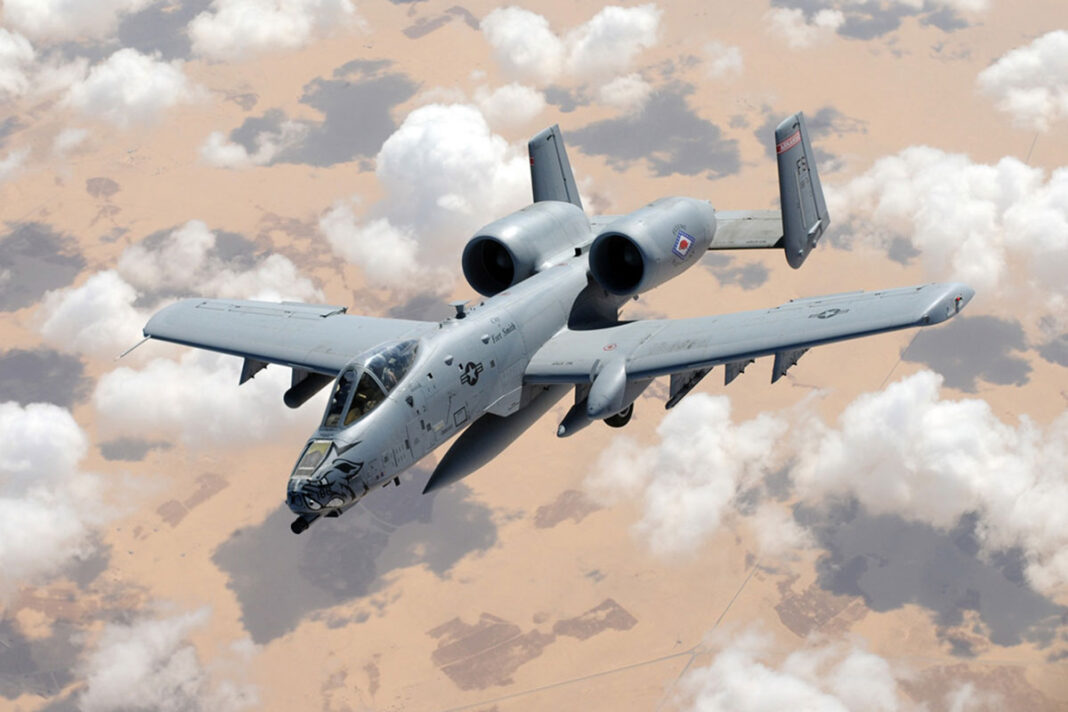
A Fairchild Republic A-10 Thunderbolt II was reportedly struck by Iranian fire yesterday, forcing the pilot to eject, according to a US official familiar with the matter.
Iran’s Tasnim News Agency reported that Iranian air defenses shot down a US Air Force A-10 on April 3, 2026, describing it as the sixth confirmed shootdown of the iconic “Warthog” since the aircraft entered service in the late 1970s.
Iranian state-linked sources said the aircraft was engaged over southern waters near the Strait of Hormuz, with the jet crashing into the Persian Gulf.
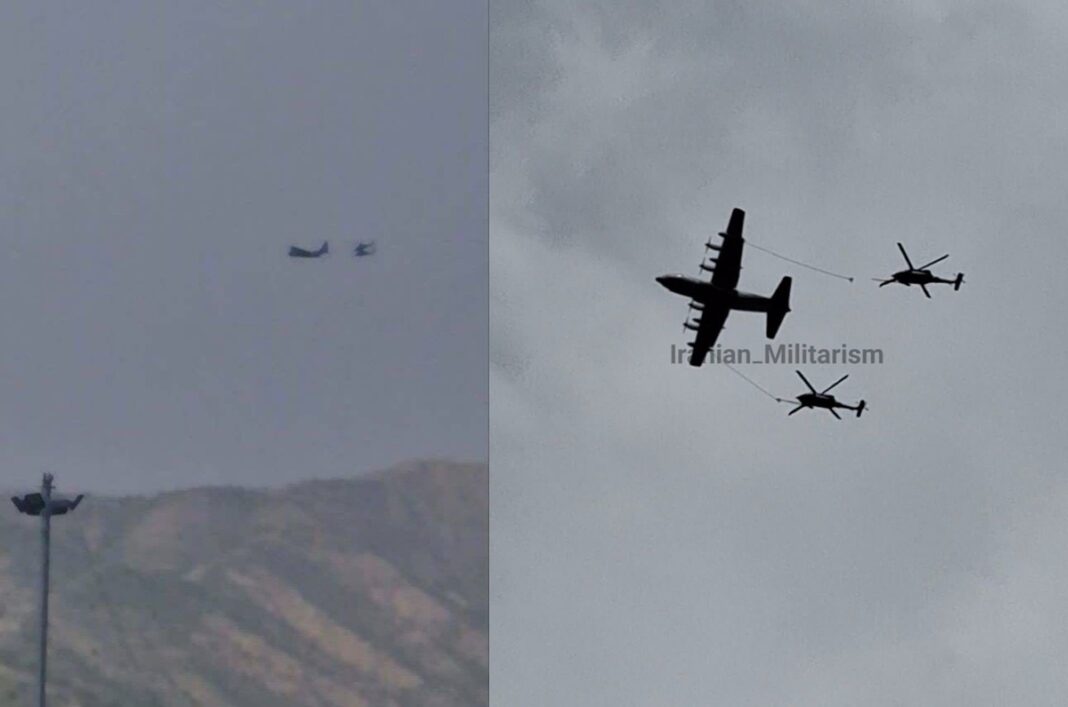
US officials later confirmed that two rescue helicopters involved in a separate search-and-rescue effort for an earlier downed McDonnell Douglas F-15E Strike Eagle were also struck by Iranian fire.
A-10 Hit During Combat Rescue Mission
According to CBS News, citing two US officials, an A-10C Warthog took fire and was severely damaged while supporting a combat search-and-rescue mission for the crew of an F-15E shot down earlier over Iran.
The pilot reportedly managed to exit Iranian airspace before ejecting over the Persian Gulf, where he was successfully recovered by the United States Air Force.
Reported incidents on Friday include:
- F-15E shot down over Iran; one crew member rescued, search ongoing for the second
- A-10 Warthog crashed after taking fire over the Persian Gulf; pilot rescued
- Two Black Hawk helicopters hit during SAR mission; all crews reported safe
Air Superiority Claims Face Hard Questions
Five weeks into the war, Washington and Israel continue to claim overwhelming air superiority over Iran.
But the latest shootdowns present a far more complicated reality.
An F-15 strike fighter and an A-10 have both been lost, while two Sikorsky UH-60 Black Hawk helicopters were hit during rescue operations.
These incidents strongly suggest that Iranian air defenses remain operational despite weeks of sustained strikes on:
- radars
- surface-to-air missile batteries
- command nodes
- communication networks
Hostile airspace clearly still exists over parts of Iran.
Iran Shifts to Air Defense Guerrilla Warfare
The emerging picture suggests Iran has shifted toward what can best be described as air defense guerrilla warfare.
This includes:
- mobile launchers
- pop-up radars
- improvised sensor sites
- shoot-and-scoot missile teams
These systems appear briefly, fire, and disappear before counterstrikes arrive.
Such tactics complicate suppression efforts, especially as US aircraft are forced to fly lower and slower to identify missed air-defense elements.
Highly mobile systems such as Khordad and Majid launchers, combined with shoulder-fired missile teams, make the battlespace deeply unpredictable.
Decentralized Air Defense Network Still Fighting
A major factor appears to be Iran’s decentralized air-defense structure.
Even if central command nodes are degraded, many provinces can reportedly continue operating semi-autonomous defense sectors.
This means the air-defense network does not collapse simply because headquarters-level nodes are hit.
The shootdown of both an F-15 and an A-10 is a significant indicator that suppression of enemy air defenses remains incomplete.
CSAR Operations Show Extreme Risk and Coordination
The combat search-and-rescue (CSAR) mission itself has become one of the most remarkable parts of the unfolding story.
Despite two Black Hawks taking hits, rescue teams reportedly succeeded in recovering almost all pilots from the incidents.
That is an extraordinary display of aviation courage and coordination under hostile fire.
Air Domination Far From Total
Taken together, the pattern suggests that Iran may not be able to fully deny coalition air operations, but it can still seriously contest the skies.
That is fundamentally different from sweeping claims of total air domination.
Losing two frontline aircraft five weeks into a conflict after thousands of sorties is not unprecedented.
But successful engagements against an F-15 and an A-10 underline an uncomfortable reality:
air domination over Iran is far from total.