Even as Iran faces one of the most serious threats to its regime in decades, Tehran is signaling a clear willingness to prolong its conflict with the United States and Israel—aiming not just for survival, but for a fundamental reshaping of the regional order.
Heavy Losses but Defiant Posture
In recent weeks, near-daily US-Israeli strikes have inflicted severe damage on Iran’s leadership and military command structure. Entire tiers of senior officials have reportedly been eliminated, while critical infrastructure has been degraded.
At home, the Iranian population is grappling with worsening economic conditions, wartime shortages, and increasing militarization. Years of sanctions and internal mismanagement have already strained society, and the conflict has only intensified these pressures.
Yet despite these setbacks—and even amid speculation of potential regime collapse—Iran’s surviving leadership has adopted an increasingly defiant and escalatory tone.
Refusal to Surrender, Push for New Regional Order
Rejecting calls from US President Donald Trump for “total surrender,” Iranian officials are instead portraying the country as resilient and strategically positioned.
Senior leaders have outlined a maximalist vision for any future peace agreement, including:
- A new regional “status quo”
- War reparations
- A shift in Gulf Arab alliances away from the United States
Iranian parliamentary speaker Mohammad Bagher Ghalibaf emphasized that any ceasefire must prevent the enemy from regrouping militarily.
“We will continue fighting until the enemy truly regrets its aggression,” he said.
Strait of Hormuz: A Strategic Pressure Point
A central pillar of Iran’s strategy is its control over the Strait of Hormuz, one of the world’s most critical النفط shipping routes.
Iranian officials have suggested:
- Establishing a new maritime protocol aligned with Tehran’s interests
- Imposing conditions on safe passage
- Potentially charging tolls or demanding economic concessions
Analysts warn that Tehran is using energy markets as leverage, disrupting global oil flows to increase pressure on the US and its allies.
Asymmetrical Warfare: Iran’s Core Strategy
Despite suffering significant conventional losses, experts argue that Iran is not seeking a traditional military victory.
Instead, it is relying on asymmetrical warfare, aiming to:
- Increase the economic cost of war
- Disrupt global trade and النفط markets
- Strain alliances between the US and Gulf الدول
“Iran doesn’t need to win militarily,” analysts note. “It only needs to make the war too costly to continue.”
Regional Escalation and Gulf Tensions
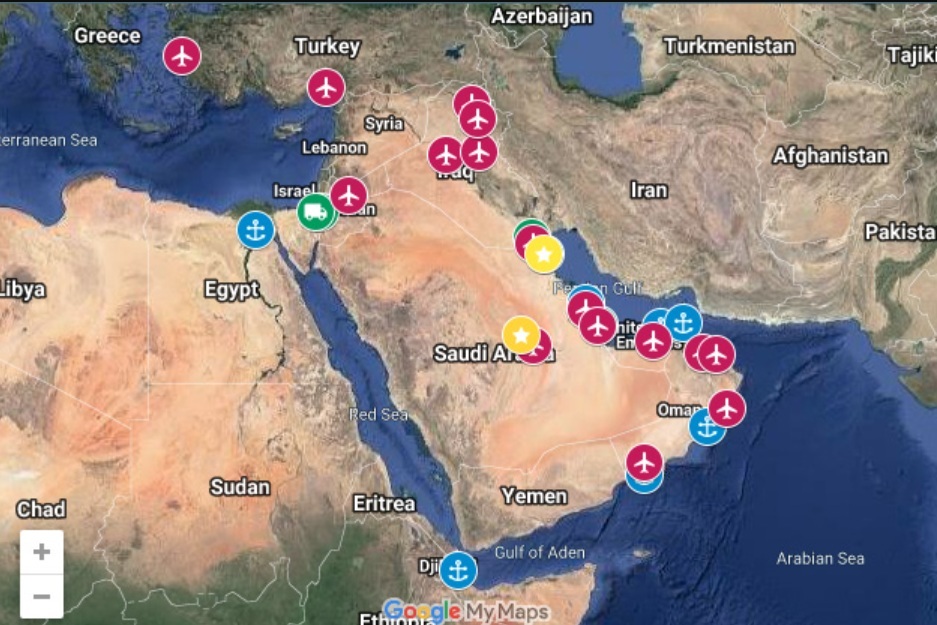
Iran’s retaliatory strikes have extended beyond US targets, hitting infrastructure across:
- UAE
- Saudi Arabia
- Qatar
- Bahrain
- Kuwait
- Oman
- Iraq
These attacks—targeting airports, energy facilities, and civilian structures—have raised alarm across the Gulf.
However, rather than weakening US alliances, the escalation appears to be pushing Gulf states closer to Washington and even toward deeper ties with Israel.
UAE officials have reaffirmed their long-standing strategic partnership with the United States, signaling that Iran’s pressure tactics may be backfiring diplomatically.
A New Generation of IRGC Leadership
Following heavy losses among senior commanders, a new generation of leaders within Iran’s Revolutionary Guard Corps (IRGC) has emerged.
This cohort is shaped by:
- Experience in Iraq and Syria
- Exposure to regional proxy warfare
- A higher tolerance for risk and escalation
Their rise suggests Iran’s future military strategy may become even more aggressive and decentralized.
The Endgame: Survival Through Pressure
Ultimately, Iran’s strategy appears less about outright victory and more about forcing a negotiated outcome on its own terms.
By linking its stability to that of the broader Middle East—and by threatening global energy flows—Iran is attempting to compel its adversaries toward accommodation.
“The goal is not escalation for its own sake,” analysts say. “It is escalation as leverage.”
Uncertain Outcome, High Stakes
Whether Iran’s strategy will succeed remains unclear.
While Tehran has demonstrated its ability to disrupt the region, most Gulf states have resisted entering the conflict directly and continue strengthening ties with the US.
For now, the war remains a high-stakes contest of endurance, economic pressure, and geopolitical maneuvering—one that could redefine the balance of power in the Middle East for years to come.