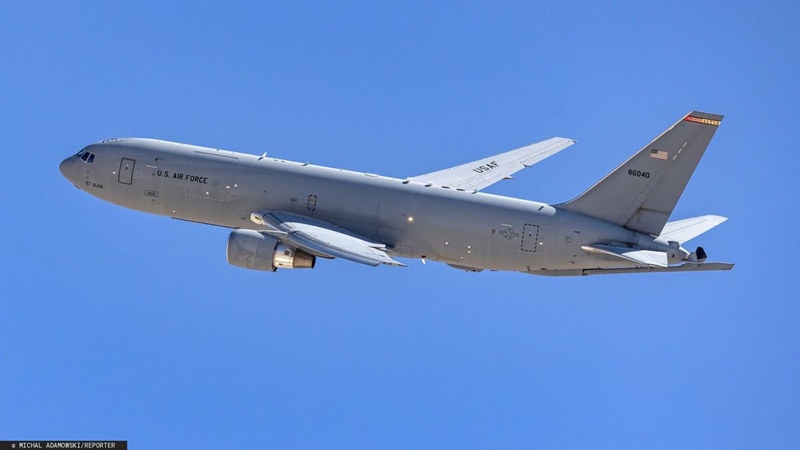
A reported Iranian ballistic missile strike on Prince Sultan Air Base in Saudi Arabia has damaged multiple U.S. Air Force KC-135 Stratotanker aerial refueling aircraft, raising concerns about the resilience of the logistics infrastructure that supports American air operations in the Middle East.
According to information first reported by defense sources citing two unnamed U.S. officials, five KC-135 refueling aircraft were struck while parked on the ground during a recent Iranian missile attack.
Five U.S. Air Force aerial tankers (KC-135 or/and KC-46) were struck and damaged on the ground at the Prince Sultan Air Base in Saudi Arabia as a result of an Iranian missile attack earlier this week, two U.S. officials told WSJ.
The tankers were damaged but not fully destroyed… pic.twitter.com/9H8XfqcyLX
— Status-6 (War & Military News) (@Archer83Able) March 13, 2026
Although the aircraft were not destroyed and no U.S. personnel were killed, the incident highlights a growing shift in Iranian strategy toward targeting critical support infrastructure rather than frontline combat platforms.
Strategic Impact on U.S. Air Operations
Aerial refueling aircraft such as the KC-135 Stratotanker play a crucial role in sustaining long-range air operations.
Even limited damage to tanker fleets can significantly affect:
- Long-range strike missions
- Combat aircraft endurance
- Coalition air campaign tempo
- Operational flexibility across the Gulf region
The temporary loss of several refueling aircraft could therefore introduce strategic constraints on U.S. airpower during an escalating regional conflict involving the United States, Israel, and Iran.
Rising Number of Tanker Losses
The incident increases the total number of U.S. tanker aircraft damaged or lost in recent days to at least seven.
This includes a separate KC-135 crash in western Iraq earlier in the week, which killed all six crew members aboard the aircraft.
Combined with additional operational incidents, these losses are beginning to place pressure on the limited pool of aerial refueling assets available for Middle East operations.
Iran’s Strategy: Targeting Logistics Infrastructure
Military analysts say the strike suggests Iran is increasingly focusing on logistics attrition, targeting the support systems that enable sustained combat operations.
Rather than seeking immediate battlefield victories, such attacks aim to gradually degrade operational readiness.
Damaging tanker aircraft can have disproportionate effects because aerial refueling enables fighters, bombers, and surveillance aircraft to operate over long distances.
Without sufficient refueling capacity, aircraft may be forced to reduce mission duration or operate from closer bases, limiting strategic flexibility.
Vulnerability of Forward-Deployed Tankers
Forward deployment of tanker aircraft allows rapid response to crises, but it also exposes these high-value assets to missile attacks.
Large refueling aircraft must operate from major airbases with extensive infrastructure, including long runways, fuel storage facilities, and maintenance equipment.
This makes them more predictable targets compared with smaller tactical aircraft that can disperse more easily.
Iran’s use of ballistic missiles against known airbase locations suggests an effort to exploit these predictable basing patterns.
Prince Sultan Air Base: A Key U.S. Hub
Prince Sultan Air Base has become one of the most important U.S. Air Force operating locations in Saudi Arabia.
The base supports aerial refueling missions that extend the range of U.S. fighters and bombers operating across:
- Iraq
- Syria
- The Persian Gulf
- Wider Middle East operational zones
Because tanker aircraft require significant support infrastructure, relocating these operations quickly can be difficult.
This makes such bases attractive targets for adversaries attempting to disrupt U.S. airpower.
Growing Regional Battlefield
The attack on the Saudi airbase comes amid a wider regional escalation in which Iran has launched missiles and drones at multiple locations across the Middle East.
Intercept attempts and reported attacks have occurred in:
- Saudi Arabia
- The United Arab Emirates
- Kuwait
- Other countries hosting U.S. forces
This expanding geographic scope means the current conflict is increasingly affecting partner nations hosting American military infrastructure.
Logistics Attrition as a Military Strategy
Repeated attacks on airbases can gradually weaken operational capacity even without dramatic battlefield outcomes.
Military experts note that logistics attrition — damaging aircraft on the ground or disrupting maintenance cycles — can impose significant operational costs.
Repairing damaged refueling aircraft often requires specialized parts and maintenance, which can remove them from service for extended periods.
This is particularly significant because tanker fleets are relatively limited in number, making each aircraft strategically valuable.
Pressure on Air Defense Systems
The continued missile and drone launches also place pressure on regional air defense networks.
Every interception requires defensive missiles, radar tracking, and coordinated command operations.
Even when attacks are successfully intercepted, the process consumes resources and increases operational strain.
Iran’s ongoing missile launches suggest a strategy based on sustained pressure rather than a single decisive strike, forcing defending forces to remain on constant alert.
Implications for U.S. Operational Endurance
The damage to multiple KC-135 aircraft highlights how support systems underpin modern air warfare.
Tanker aircraft enable combat aircraft to remain airborne for longer periods and operate across wide geographic areas.
Reduced refueling capacity can therefore limit the ability to respond simultaneously to multiple threats across the region.
With at least seven tanker aircraft damaged or lost during the current conflict period, the cumulative effect could begin to influence U.S. operational planning, basing decisions, and mission tempo in the Middle East.
As tensions continue to rise, the resilience of logistics infrastructure — rather than just frontline combat capability — may become a decisive factor in determining the endurance of air operations in the region.