Recent reports suggest that several major Iranian naval vessels have been destroyed or severely damaged during the ongoing conflict. However, defense analysts say that while Iran’s large surface warships may be vulnerable, the country’s asymmetric naval strategy remains largely intact.
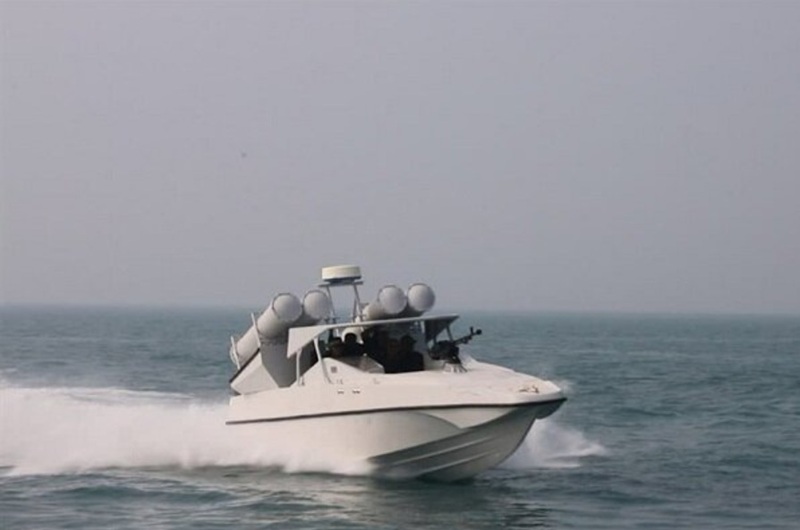
Iran’s naval doctrine has long relied less on large warships and more on submarines, missile boats, and swarms of fast attack craft, particularly in the confined waters of the Persian Gulf and the Strait of Hormuz.
Large Warships Vulnerable in Modern Naval Warfare
Many of the Iranian ships reportedly damaged or sunk during the conflict were stationary in port when strikes occurred.
Military analysts say that vessels remaining docked during wartime may indicate they were not ready for combat deployment, lacked operational crews or aircraft support, or were considered too vulnerable to deploy.
Large surface ships can become particularly exposed targets during modern warfare, especially when facing advanced naval aviation, long-range missiles, and precision-guided weapons.
In asymmetric conflicts, such vessels are often seen as high-value targets that can be neutralized early in a campaign.
Reported Iranian Naval Losses
Visual evidence circulating among analysts suggests that several Iranian ships have been destroyed or damaged during the conflict.
Reported Damaged or Destroyed Vessels
- IRIS Jamaran (Moudge-class frigate)
Commissioned: 2010 – reportedly sunk at pier - IRIS Dena (Moudge-class frigate)
Commissioned: 2021 – reportedly sunk after a submarine torpedo strike - IRIS Bayandor (Bayandor-class corvette)
Commissioned: 1964 – reportedly sunk in port - IRIS Naghdi (Bayandor-class corvette)
Commissioned: 1969 – reportedly sunk in port - IRIS Alborz (Alvand-class frigate)
Commissioned: 1971 – reportedly heavily damaged and on fire - IRIS Sahand (Moudge-class frigate)
Commissioned: 2018 – reportedly severely damaged or sunk - IRIS Makran (forward base ship)
Commissioned: 2021 – reportedly burning at pier in Bandar Abbas - IRIS Shahid Bagheri (drone/helicopter carrier)
Commissioned: 2025 – reportedly hit and abandoned - IRIS Shahid Sayyad Shirazi (catamaran corvette)
Commissioned: 2024 – reportedly damaged by fire
In total, nine combat vessels are believed to have been destroyed or heavily damaged based on available visual reports.
Iran’s Navy Is Not Destroyed
Despite these losses, Iran’s naval capabilities remain substantial.
Iran maintains two separate naval forces:
- IRIN (Islamic Republic of Iran Navy) – the conventional navy
- IRGCN (Islamic Revolutionary Guard Corps Navy) – focused on asymmetric warfare
Together, these forces still operate dozens of vessels and hundreds of smaller combat craft.
Remaining Iranian Naval Forces
IRIN (Regular Navy)
- Alvand-class frigates: 2
- Moudge-class frigates: 1
- Hamzeh-class corvette: 1
- Kilo-class submarines: 3
- Fateh-class submarines: 1–2
- Ghadir-class midget submarines: 18–20
- Kaman-class missile patrol ships: 13
- Sina-class missile patrol ships: 6
- Amphibious vessels: 24–30
IRGC Navy
- Tondar / Houdong missile patrol ships: 10
- Shahid Soleimani-class catamaran corvettes: 4–5
- Fast attack craft and missile boats: 250–350
In total, Iran still operates:
- More than 30 armed surface ships
- 23–25 submarines
- Hundreds of missile-equipped speedboats
Iran’s Asymmetric Naval Strategy
Iran’s naval doctrine has long focused on asymmetric warfare, designed specifically to counter stronger conventional navies.
Rather than confronting major fleets directly, Iranian forces rely on tactics such as:
- Swarms of fast missile boats
- Submarine ambush operations
- Anti-ship missile batteries
- Naval mines
- Unmanned surface and underwater drones
These systems are intended to complicate operations for larger naval forces operating in narrow waterways.
The Strategic Importance of the Strait of Hormuz
The Strait of Hormuz remains one of the most critical maritime chokepoints in the world.
Roughly one-fifth of global oil shipments pass through this narrow corridor connecting the Persian Gulf to international waters.
Even a limited asymmetric naval threat can disrupt shipping, increase insurance costs, and create instability in global energy markets.
A Conflict That Could Last Months
Analysts suggest that even if Iran’s large warships are eventually neutralized, the country’s asymmetric naval forces could continue operating for weeks or months.
Small missile boats, submarines, and drones can be difficult to track and destroy across the complex geography of the Persian Gulf.
For this reason, the destruction of large ships does not necessarily translate into immediate control of the Strait of Hormuz.
Instead, the conflict may evolve into a prolonged struggle where asymmetric tactics shape the pace of naval operations in the region.