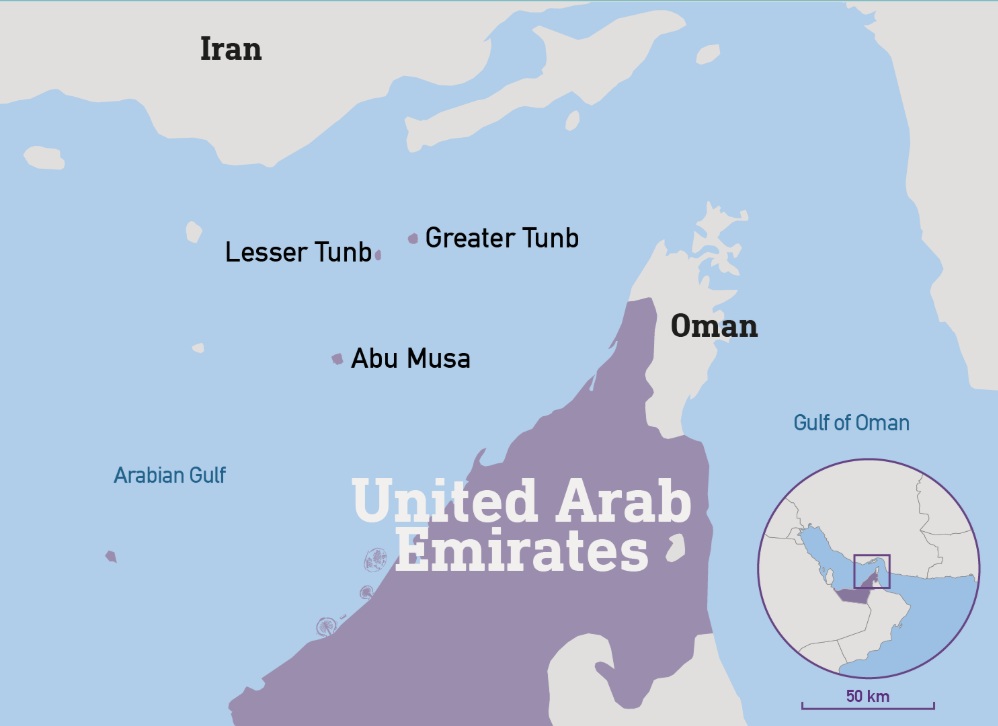
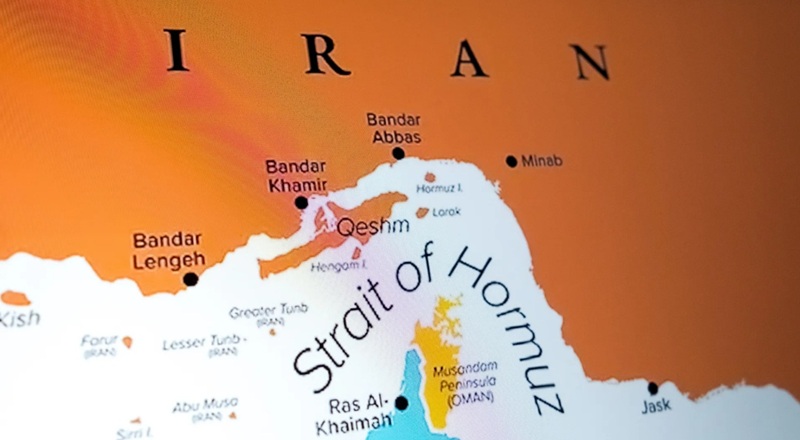
The ongoing conflict involving the United States and Israel has triggered a dramatic escalation in the strategic importance of the Strait of Hormuz, with Iran now pushing for formal recognition of its sovereignty over the critical waterway.
This narrow maritime corridor—responsible for transporting roughly 20% of the world’s oil and LNG—has become Tehran’s most powerful geopolitical lever. What began as a wartime disruption strategy is now evolving into a long-term economic and political tool.
Shipping Disruptions Trigger Global Energy Shock
Iranian actions in the Strait have brought shipping traffic close to a halt, sending shockwaves through global energy markets. Countries far beyond the Middle East have been forced into emergency measures to secure fuel supplies.
Experts suggest Iran itself was surprised by how effective—and relatively low-cost—this strategy has been in disrupting global trade.
“Iran has discovered new leverage… and monetizing it is part of that realization.”
This shift marks a turning point: the Strait is no longer just a military chokepoint but a potential economic asset worth billions.
Iran’s Proposed Toll System: A Game-Changer
Tehran is now exploring a controversial plan to charge transit fees for ships passing through the Strait. Iranian lawmakers are considering legislation that would formalize this system, potentially transforming Hormuz into a revenue-generating corridor.
Estimated Revenue Potential
- $2 million per tanker
- ~$20 million per day (oil shipments)
- Up to $800 million per month including LNG
These figures could rival revenues generated by the Suez Canal, positioning Iran to offset economic losses caused by sanctions.
Legal and International Backlash
The proposal has sparked strong opposition, particularly from Western powers. Marco Rubio warned that such a system would be:
- Illegal
- Dangerous
- A threat to global trade stability
International maritime law, governed largely by the United Nations Convention on the Law of the Sea, does not allow coastal states to impose tolls on international straits.
Legal experts emphasize that the Strait qualifies as an international passage where free and unimpeded transit is guaranteed.
Emerging “Controlled Passage” System
Despite legal challenges, Iran appears to be testing a de facto control system:
- Ships are reportedly using routes closer to Iranian waters
- Some vessels may have already paid for safe passage (~$2 million each)
- A registration system has been introduced by the Islamic Revolutionary Guard Corps
- Governments are quietly negotiating transit arrangements
Shipping data suggests more than 20 vessels have used a newly defined corridor, indicating early-stage implementation of Iran’s strategy.
Strategic Implications: A New Global Pressure Point
Iran’s evolving Hormuz policy signals a broader strategic shift:
Key Impacts
- Energy Security Threat: Major importers face supply instability
- Economic Leverage: Iran gains a new sanctions workaround
- Geopolitical Escalation: Control over Hormuz becomes a bargaining chip
- Shipping Industry Paralysis: Uncertainty is slowing global maritime trade
Tehran has made clear that while the Strait remains open, it is “not unconditional.” Access may increasingly depend on political alignment and coordination with Iranian authorities.
Conclusion
The Strait of Hormuz is entering a new phase—not just as a strategic chokepoint, but as a monetized geopolitical weapon. Iran’s attempt to formalize control through tolls could redefine global trade norms, challenge international law, and intensify already fragile geopolitical tensions.
Whether the international community can counter or adapt to this shift will determine the future stability of global energy markets.