Beyond the immediate battlefield, the ongoing conflict with Iran may carry long-term strategic consequences for the United States’ military competition with China.
While Washington’s focus has been on the Middle East, analysts say the war could influence global military balances, weapons inventories, and technological competition in ways that extend far beyond the region.
Several strategic dynamics emerging from the conflict could shape how the United States and China compete in the coming years.
1. Depletion of Advanced Weapons Stockpiles
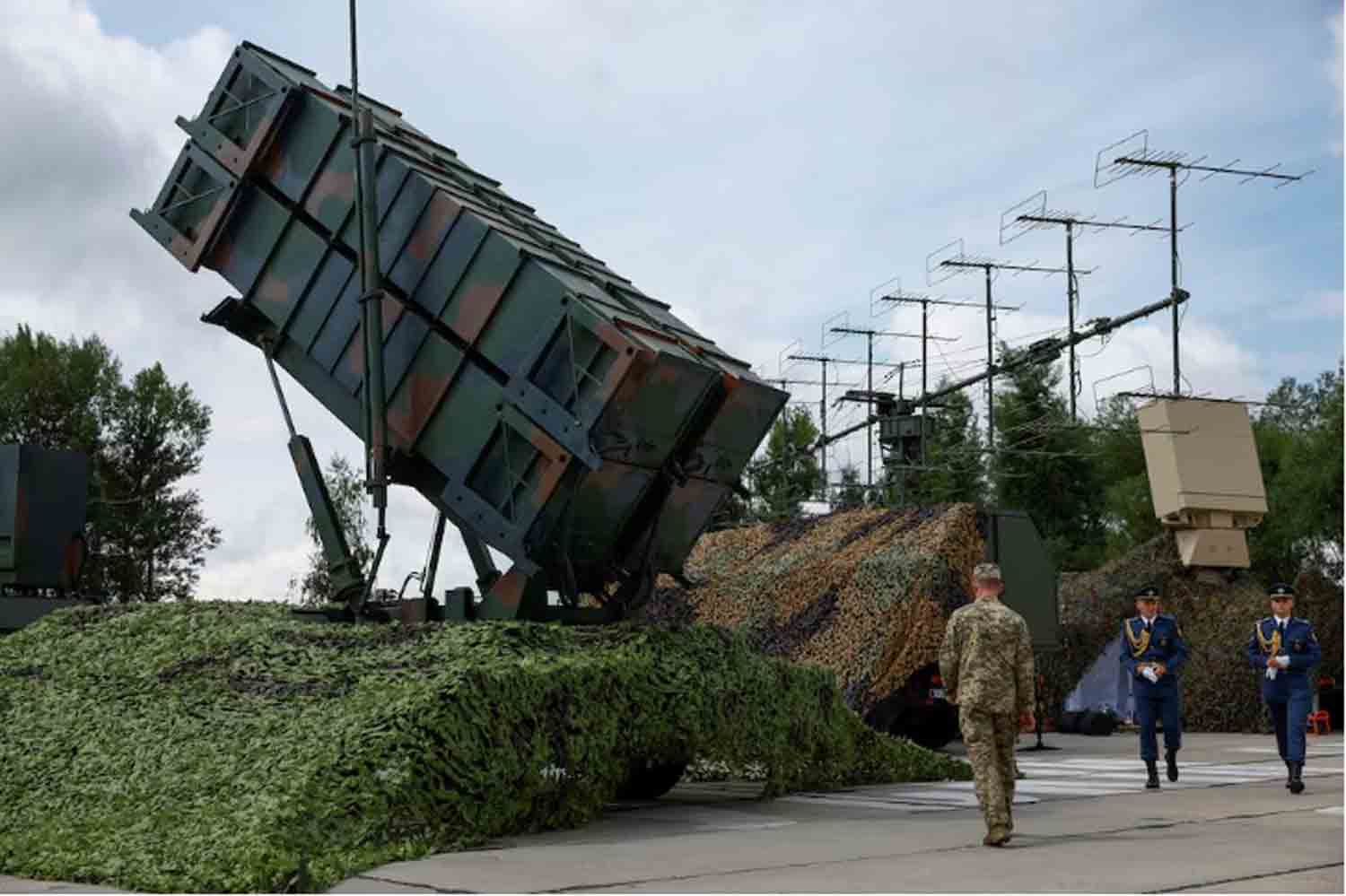
One of the most immediate effects of the war is the rapid consumption of advanced U.S. missile systems and interceptor weapons.
Modern conflicts rely heavily on expensive precision-guided munitions and missile defense interceptors. Sustained operations can quickly deplete inventories that took years to build.
Replenishing these systems requires:
- Significant financial investment
- Long manufacturing timelines
- Expanded production capacity
Even after replenishment, the United States may simply return to the same inventory levels it had before the war.
Meanwhile, competitors such as China could continue expanding their own stockpiles of offensive missiles, drones, and long-range strike systems during the same period.

2. Demonstration of Integrated Surveillance and Drone Warfare
Another key lesson from the conflict involves the growing role of space-based surveillance and low-cost drone systems.
Modern warfare increasingly involves coordination between:
- Satellite imagery
- Targeting data
- Drone swarms
- Precision weapons
Analysts note that such combinations can produce effective strike capabilities even when using relatively inexpensive platforms.
For China, which operates a rapidly expanding constellation of Earth observation satellites, the lessons of this integration could be particularly relevant.
China’s large industrial base also provides the capacity to produce drones and missiles at scale.
3. Perceptions of Military Technology
Conflicts also shape global perceptions of military technology.
Some observers in the Middle East and elsewhere have raised questions about whether expensive advanced systems provide sufficient protection against large numbers of lower-cost threats, such as drones or mass-produced missiles.
These perceptions can influence international defense markets.
Countries evaluating future arms purchases may increasingly compare:
- Highly advanced but expensive Western systems
- Lower-cost alternatives produced by other suppliers
In global arms markets, China and Türkiye are often viewed as emerging competitors in this space.
4. Lessons From Decentralized Defense Models
Another notable aspect of the conflict is the effectiveness of decentralized defensive strategies.
Iran’s approach has involved distributing capabilities across multiple regional commands and platforms rather than relying solely on centralized command systems.
This approach can complicate efforts to disrupt operations through traditional means such as:
- Electronic warfare
- Targeting command-and-control centers
- Leadership decapitation strategies
For other military planners around the world, the conflict provides a real-world case study in how decentralized systems might operate under intense pressure.
5. A Valuable Intelligence Dataset
Modern conflicts generate enormous volumes of data.
Satellite imagery, radar signals, electronic emissions, and operational patterns all create valuable intelligence datasets.
Major powers closely monitor these events to analyze how advanced systems perform in real combat environments.
For countries studying U.S. military capabilities, the conflict offers opportunities to observe:
- Aircraft operations
- Missile and drone employment
- Electronic warfare activity
- Command and control structures
Such observations can contribute to the development of future military technologies, artificial intelligence models, and operational doctrines.
Strategic Implications for Global Competition
The broader impact of the Iran war may therefore extend beyond the Middle East.
While the United States remains one of the world’s most capable military powers, prolonged conflicts can influence:
- Weapons stockpiles
- Industrial production capacity
- Technological innovation
- Global perceptions of military systems
For China, which is actively modernizing its armed forces, the conflict may offer both lessons and opportunities.
A War With Global Consequences
Wars rarely affect only the regions where they are fought.
The Iran conflict is already shaping military thinking, technology development, and geopolitical competition worldwide.
For Washington and Beijing alike, the lessons emerging from the conflict could influence strategic planning for years to come.