March 2, 2026 — The conflict between the United States, Israel, and Iran has entered a critical phase, with sustained missile exchanges, expanded air operations, and mounting regional instability across the Middle East.
Below is a structured situation report outlining the latest military developments, reported damage, and political reactions.
Immediate Military Developments
US and Israeli Operations
- The United States carried out targeted air operations using B-2 Spirit stealth bombers against Iranian ballistic missile silos and underground launch facilities as part of Operation Epic Fury.
- US forces launched long-range ATACMS ballistic missiles via M142 HIMARS systems, reportedly targeting Iranian Zulfiqar short-range missile assets and air defense systems.
- Israel conducted one of its largest air campaigns to date, deploying approximately 200 fighter aircraft against more than 500 missile and air defense targets in western and central Iran.
- Israeli forces also reported simultaneous operations against Hezbollah-linked targets in Lebanon.
Iranian Counterattacks
- Iran launched multiple waves of missile and drone attacks against Israeli territory, marking at least the 10th wave of retaliatory strikes.
- Iranian military sources claimed strikes against the US Ali Al Salem Air Base in Kuwait and hostile naval assets in the northern Indian Ocean.
- Iranian state media reported that ballistic missiles targeted the USS Abraham Lincoln carrier strike group.
- GPS jamming activity has intensified in the Strait of Hormuz, potentially affecting precision-guided munitions and maritime navigation.
Reported Losses and Damage
Casualties
- The Iranian Red Crescent reported 555 fatalities inside Iran following US-Israeli airstrikes.
- Lebanese authorities reported at least 31 deaths and 149 injuries from Israeli air operations.
- China confirmed the death of one Chinese national in Iran and evacuated approximately 3,000 citizens.
Military Losses
- Kuwait’s Ministry of Defense confirmed that multiple US military aircraft crashed within its territory; all crew members survived.
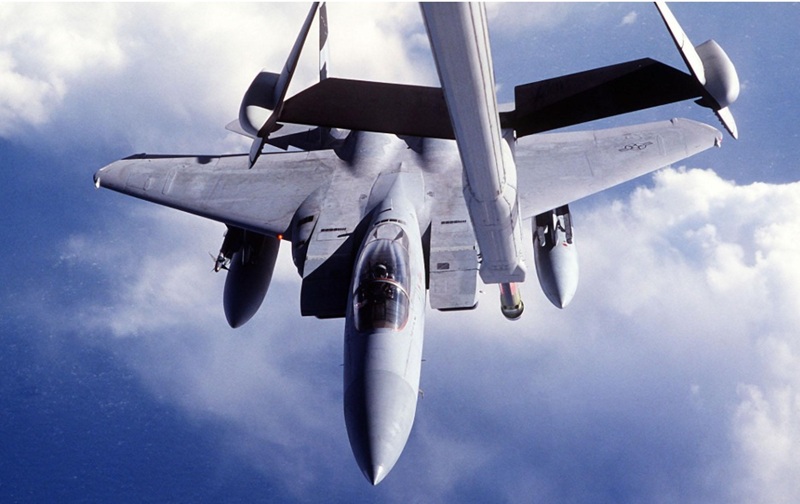
- Reports indicated at least two F-15E aircraft were lost in what may have been a friendly-fire incident, though investigations are ongoing.
- Several US bases across the region have reportedly come under missile fire.
Aviation and Civilian Disruption
- More than 3,400 commercial flights have been canceled since the conflict escalated.
- Major airports including Dubai International, Abu Dhabi, Doha Hamad International, and Sharjah suspended operations.
- Approximately 300,000 travelers are reportedly stranded across Gulf states.
- Regional airspace closures are causing global aviation disruptions.
Energy Market Impact
- Brent crude oil futures surged approximately 9% to around $79 per barrel.
- US benchmark crude rose roughly 8% to $73 per barrel.
- Dutch natural gas prices climbed 23% amid concerns over supply disruptions.
Nearly 20% of global oil and LNG shipments pass through the Strait of Hormuz, raising fears of a prolonged energy shock if maritime instability continues.
Political Statements and Strategic Signals
United States
President Donald Trump stated that Iran’s new interim leadership had expressed interest in negotiations, though no timeline was confirmed.
US counterterrorism and intelligence agencies are on high alert, and security measures have been tightened in major American cities.
Reports from US officials indicate growing concern inside the Pentagon about escalation risks and uncertainty over Iran’s command-and-control structure.
Iran
Iranian Foreign Minister Abbas Araghchi declared that Tehran would decide “when and how” the war ends, emphasizing that Iran’s decentralized defense strategy remains operational despite heavy strikes on the capital.
Iranian officials claim their missile-launch capacity remains intact.
Europe and Regional Actors
- The United Kingdom signaled defensive involvement but ruled out participation in expanded strike waves.
- Germany stated it has no intention of joining military operations against Iran.
- France expressed readiness to assist Gulf partners defensively.
- Qatar warned that Iranian strikes on its territory would not go unanswered.
Strategic Assessment
As of March 2, 2026:
- Missile exchanges show no signs of slowing.
- Energy markets are reacting sharply to supply risk.
- Airspace disruptions are expanding.
- Political pressure is mounting in Washington, Tel Aviv, and regional capitals.
Military analysts suggest the conflict may shift toward a prolonged attrition phase if neither side reduces strike tempo.
With missile inventories being rapidly consumed and defensive systems under strain, the coming days will be decisive in determining whether diplomatic channels reopen — or whether escalation deepens further.