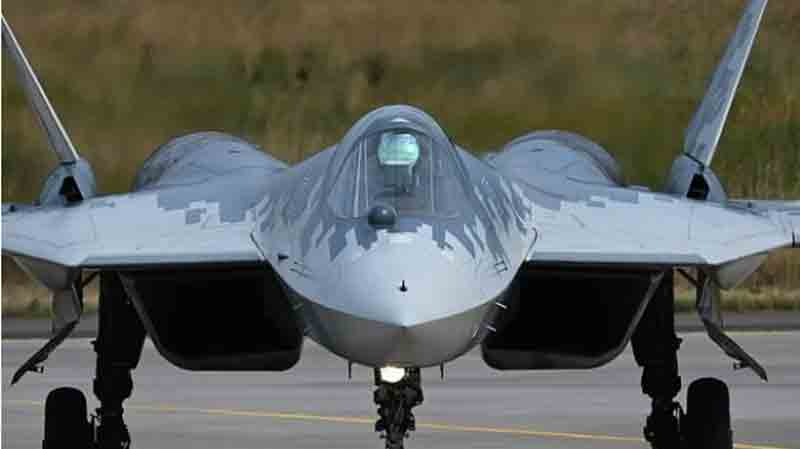
Pakistan has significantly accelerated its military modernization drive following the May conflict, expanding its inventory of advanced unmanned systems, missiles, naval platforms, and armored assets with support from key defense partners China and Türkiye, according to assessments cited by Indian media sources familiar with regional intelligence evaluations.
The acquisitions reflect a broader shift in Pakistan’s defense posture toward technology-driven, network-centric warfare, with a particular emphasis on unmanned combat systems, layered air defense, and enhanced maritime deterrence.
Growing Focus on Unmanned and Autonomous Warfare
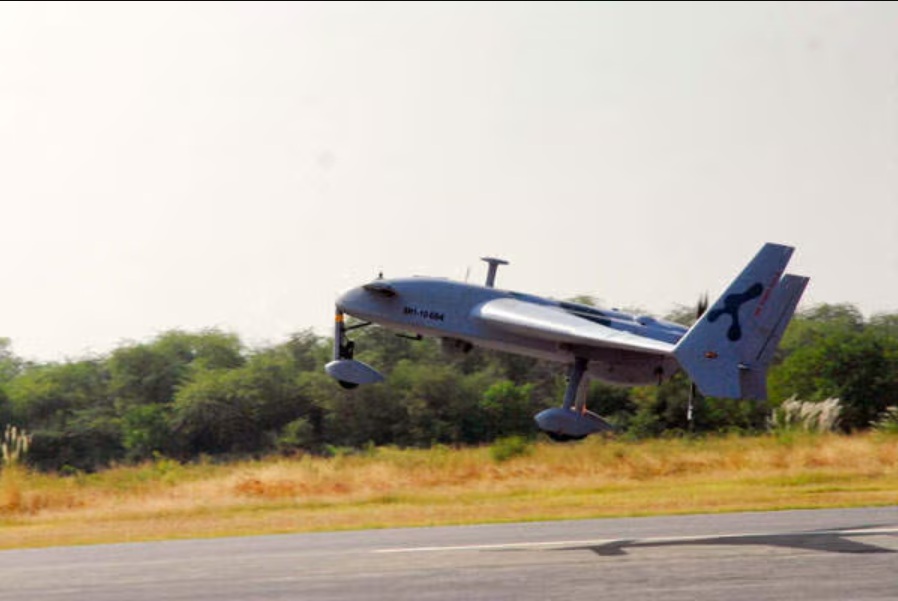
One of the most notable elements of Pakistan’s post-May military expansion is the reported acquisition of a large number of unmanned combat aerial systems (UCAS), including loitering munitions and so-called “kamikaze drones.”
These systems are increasingly central to modern warfare, offering cost-effective precision strike capability, persistent surveillance, and the ability to overwhelm traditional air defenses. Chinese and Turkish drone technologies—already combat-tested in multiple regional conflicts—provide Pakistan with a scalable and adaptable unmanned warfare capability.
The reported procurement of anti-drone systems alongside offensive drones suggests a dual-track strategy: enhancing Pakistan’s ability to conduct unmanned operations while simultaneously defending against similar threats in a rapidly evolving battlespace.
Missile and Air Defense Enhancements
In parallel with drone acquisitions, Pakistan is understood to have expanded its inventory of long-range missile systems, reinforcing its conventional deterrence posture. While specific models have not been disclosed, Pakistan’s existing cooperation with China in missile technology and air defense systems indicates a continued emphasis on range, survivability, and integration with sensor networks.
The combination of long-range missiles with unmanned targeting and surveillance assets represents a shift toward precision-guided, stand-off engagement capabilities, reducing reliance on traditional manned platforms alone.
Modernization of Armored and Ground Forces
On the ground, Pakistan has reportedly inducted additional main battle tanks, armored vehicles, and attack helicopters, reinforcing mobility and firepower across conventional formations.
The inclusion of attack helicopters highlights a continued focus on close air support, rapid response, and counter-armor operations, particularly in scenarios involving high-tempo maneuver warfare. These platforms, when paired with drone-based reconnaissance, significantly enhance battlefield awareness and targeting accuracy.
Naval Expansion and Maritime Deterrence
Pakistan’s post-May acquisitions are not limited to land and air domains. Reports indicate the induction of hovercrafts, corvettes, and submarines, underscoring a parallel effort to strengthen maritime security and deterrence.
Corvettes enhance coastal defense and surface warfare capabilities, while submarines remain a critical pillar of Pakistan’s naval doctrine, providing survivable second-strike and sea-denial options. The addition of hovercrafts suggests improved amphibious and littoral operational flexibility.
This naval expansion aligns with Pakistan’s long-standing emphasis on protecting sea lines of communication and maintaining balance in the Arabian Sea, particularly amid growing regional naval activity.
Deepening Defense Partnerships with China and Türkiye
The reported acquisitions further highlight the deepening defense partnerships between Pakistan, China, and Türkiye. Both countries have emerged as key suppliers of cost-effective, combat-proven military systems, offering alternatives to Western defense markets.
China’s role spans drones, missiles, naval platforms, and air defense systems, while Türkiye has become a major partner in unmanned aerial systems, electronic warfare, and naval construction. These relationships allow Pakistan to pursue modernization while maintaining strategic autonomy and diversified supply chains.
Strategic Implications for South Asia
Pakistan’s expanded inventory points to a broader regional trend where unmanned systems, missile forces, and naval deterrence are increasingly central to military planning. Rather than focusing solely on traditional force size, modern South Asian militaries are prioritizing technology integration, survivability, and multi-domain operations.
The developments suggest Pakistan is positioning itself to address future conflicts through precision, adaptability, and layered defense, reflecting lessons drawn from recent global conflicts where drones, electronic warfare, and missile systems have reshaped battlefields.
Conclusion
Pakistan’s post-May military acquisitions represent a significant step in its ongoing defense modernization, with a clear emphasis on unmanned warfare, missile capabilities, and maritime strength. Supported by deepening partnerships with China and Türkiye, these developments indicate a strategic shift toward technologically enabled deterrence rather than purely numerical expansion.
As regional security dynamics continue to evolve, Pakistan’s focus on integrated, multi-domain capabilities is likely to play an increasingly important role in shaping South Asia’s military balance.