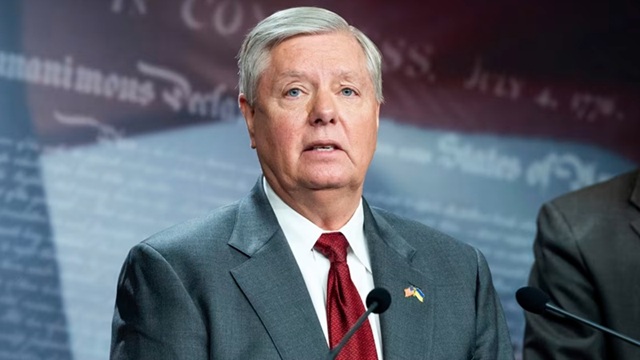

U.S. Secretary of State Marco Rubio has mounted a robust defense of the Trump administration’s controversial operation in Venezuela, saying Washington acted decisively to eliminate a major security threat and prevent the Western Hemisphere from becoming a sanctuary for drug traffickers and hostile foreign actors.
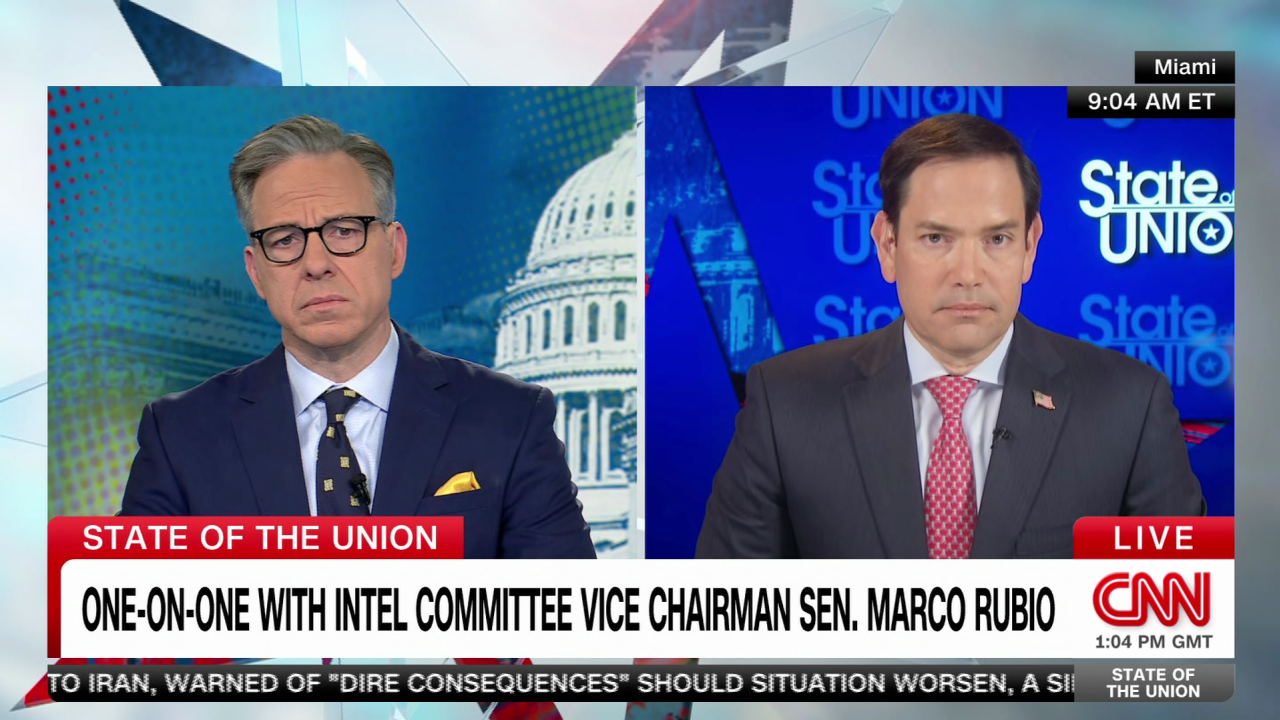
Appearing on multiple U.S. television news programs, Rubio said the operation that led to the capture of indicted narcoterrorist Nicolás Maduro was limited in scope, legally justified, and squarely focused on U.S. national security interests.
“There’s not a war against Venezuela,” Rubio said. “We are at war against drug trafficking organizations — not a war against Venezuela.”
‘Decisive Action,’ Not an Invasion
Rubio rejected claims that the operation amounted to a military invasion, stressing that U.S. forces were on Venezuelan soil for only a brief period.
“We don’t have U.S. forces on the ground in Venezuela,” he said. “They were on the ground for about two hours when they went to capture Maduro. This was not an extended military operation.”
The secretary of state added that the action did not require prior congressional approval, arguing it fell within the president’s constitutional authority and existing legal frameworks. He said Congress would be notified where required, but warned against what he described as paralysis driven by comparisons to past U.S. interventions in the Middle East.
“This is not Libya. This is not Iraq. This is not Afghanistan,” Rubio said. “This is the Western Hemisphere.”
Western Hemisphere Red Line
Rubio said President Donald Trump has drawn a clear red line against allowing U.S. adversaries to operate freely in the Americas.
“This is where we live,” Rubio said. “We’re not going to allow the Western Hemisphere to be a base of operation for adversaries, competitors, and rivals of the United States.”
He specifically cited concerns about Iranian influence, Hezbollah activity, and the use of Venezuela’s oil sector to finance groups hostile to U.S. interests.
“No more drug trafficking. No more Iran. No more Hezbollah presence there,” Rubio said. “No more using the oil industry to enrich our adversaries around the world.”
Pressure to Continue
Rubio made clear that Maduro’s capture does not mark the end of U.S. pressure on Venezuela. He said Washington would judge the situation not by rhetoric but by tangible outcomes.
“What we are going to react to is very simple: what do you do?” Rubio said. “Do the drugs stop coming? Is Iran expelled? Are Hezbollah and Iran no longer able to operate from Venezuela?”
Until those conditions are met, Rubio said Venezuela would continue to face what he described as an “oil quarantine,” along with aggressive maritime interdictions targeting sanctioned vessels and drug trafficking routes.
“We will continue to seize boats, target drug shipments, and potentially take other actions until the issues are addressed,” he said.
‘Illegitimate President’
Rubio also pushed back strongly against media references to Maduro as Venezuela’s president, insisting he never held legitimate authority.
“Maduro is not just an indicted drug trafficker; he was an illegitimate president,” Rubio said. “He was not the head of state.”
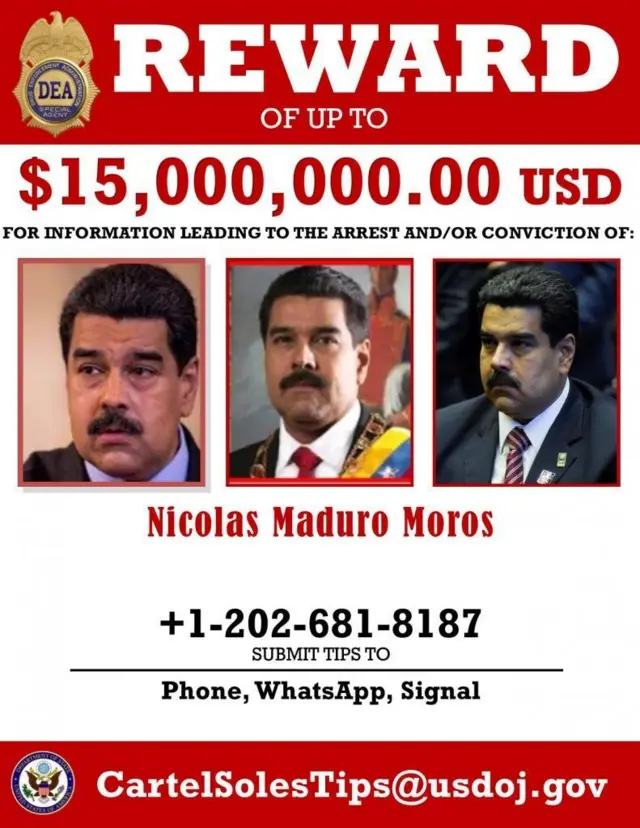
He contrasted the Trump administration’s approach with previous U.S. policy, noting that earlier governments had offered rewards for Maduro’s arrest but failed to act.
“There was a $25 million reward for his capture before,” Rubio said. “The difference is President Trump did something about it.”
Analysis
Rubio’s media blitz reflects an administration seeking to normalize an extraordinary action by reframing it as law enforcement plus national security, rather than regime change. By emphasizing drugs, oil, and foreign adversaries, Washington is signaling that future U.S. engagement in Latin America will be guided less by democracy promotion and more by hard security outcomes.
The message to allies and rivals alike is clear: under President Trump, the United States is prepared to use force swiftly and unilaterally in the Western Hemisphere — and intends to keep pressure on until concrete changes are delivered.