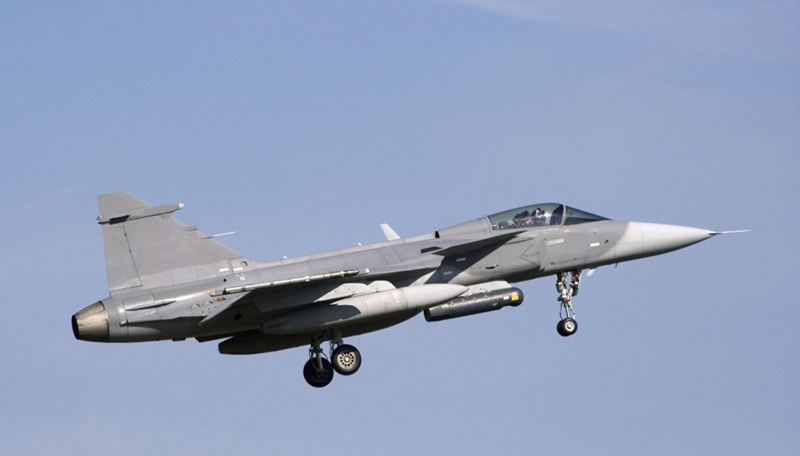
Sweden’s Saab has renewed its bid to sell Gripen E fighters to the Indian Air Force, positioning the aircraft as a rapid, locally produced solution to India’s fighter shortfall. The offer was announced at the Singapore Airshow by Saab Aeronautics’ Vice President and Chief Marketing Officer Mikael Franzén, as reported by The Economic Times.
The timing of the pitch is notable. India is already inducting Rafale fighters, expanding production of its indigenous Tejas, and planning ahead for a fifth-generation platform under the AMCA programme. Against this backdrop, Saab’s renewed campaign appears less like a natural fit and more like an attempt to insert Gripen into an already crowded procurement landscape.
Technology Transfer Claims Meet Political Reality
Saab argues that if selected, Gripen E would come with what it describes as “the largest transfer of technology in aviation history,” involving more than 300 Indian companies and the creation of a dedicated industrial ecosystem inside India. The company also claims that experience gained through Gripen production could feed directly into AMCA’s development.
While attractive on paper, such promises are not new in Indian defence tenders. Historically, large-scale technology transfer pledges often collide with legal, intellectual property, and supply-chain constraints once contracts move from negotiation to execution. New Delhi has grown increasingly cautious about ambitious claims that may not fully materialise over the programme’s lifecycle.
Speed vs Fleet Rationalisation
Saab’s key operational argument is speed: Gripen E, it says, can be delivered quickly and in large numbers to fill squadron gaps, while remaining easy to upgrade without disrupting operations. However, this claim sits uneasily with India’s growing emphasis on fleet commonality.
A further Rafale order—widely seen as a realistic outcome—would simplify training, logistics, weapons integration, and localisation. Adding Gripen would instead introduce another fighter type into an air force that already operates aircraft of Russian, French, and indigenous origin, increasing long-term sustainment complexity.
Engine Commonality Cuts Both Ways
Saab has also highlighted the shared use of the GE F414 engine on both Gripen E and Tejas, arguing that ongoing localisation of the engine in India strengthens the case for Gripen.
Yet this commonality may be a double-edged sword. General Electric is currently facing supply-chain and production bottlenecks, already affecting engine deliveries for Indian programmes. Adding another F414-dependent platform could exacerbate these constraints rather than alleviate them.
Production Capacity Limits
Another structural issue is Sweden’s limited fighter production capacity. Even if an Indian order were to boost output, scaling up would take time. This undermines the argument that Gripen can rapidly deliver large numbers of aircraft at a moment when the Indian Air Force is seeking urgent reinforcement.
Strategic Competition, Not a Clear Win
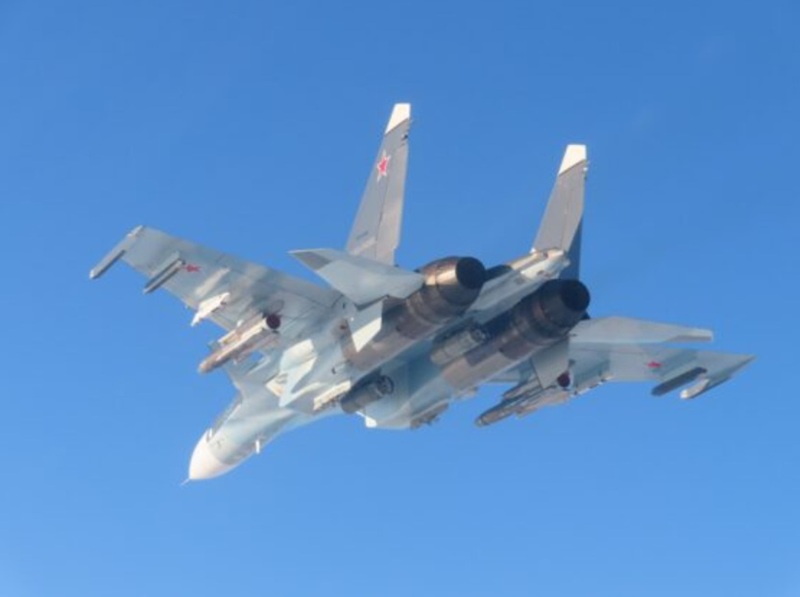
India plans to acquire around 250 additional fighters, spanning both 4+ generation aircraft and future fifth-generation systems. In the latter category, Su-57 continues to be promoted by Russia, further complicating the strategic picture.
In this context, Saab’s push appears less assured than the company’s messaging suggests. While the Gripen E remains a capable and modern platform, India’s political preference for continuity, industrial control, and reduced fleet fragmentation may limit its prospects.
The Indian campaign is also unlikely to significantly affect Saab’s parallel efforts in Ukraine or Canada, given the vastly different competitive and political dynamics involved.
Ultimately, Saab may still secure a foothold if New Delhi opts for diversification over consolidation. But for now, the Gripen offer faces an uphill battle against strategic inertia, industrial realities, and India’s growing confidence in its existing procurement trajectory.