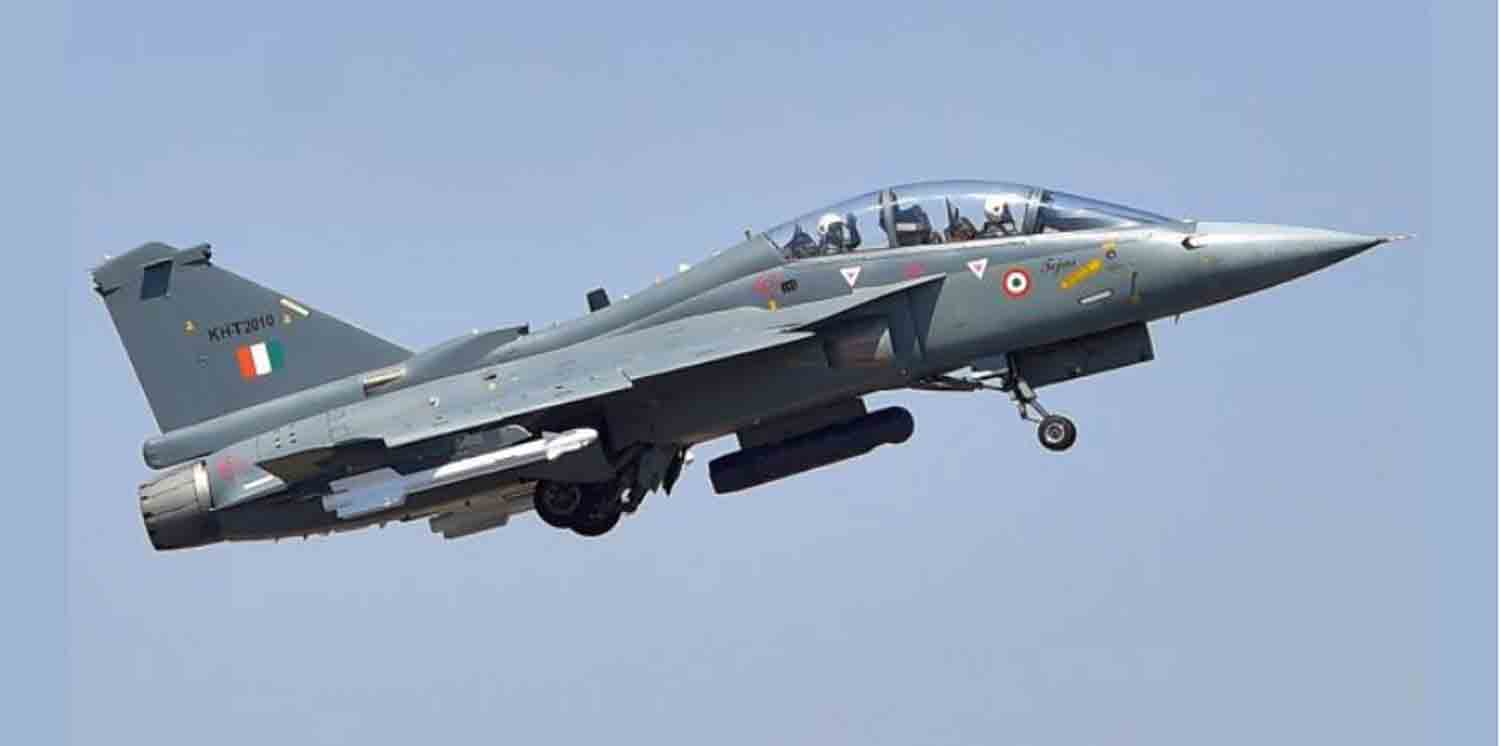

Saudi Arabia on Tuesday declared that its national security was a “red line” and gave United Arab Emirates (UAE) forces 24 hours to withdraw from Yemen, hours after a Saudi-led coalition carried out an airstrike on the southern port city of Mukalla—marking the sharpest escalation yet in tensions between the two Gulf allies.
The airstrike targeted what the coalition described as foreign military support to UAE-backed southern separatists, as relations between Riyadh and Abu Dhabi deteriorated rapidly amid renewed fighting in Yemen’s south.
In a parallel political escalation, the head of Yemen’s Saudi-backed Presidential Leadership Council, Rashad al-Alimi, cancelled a defence pact with the UAE and accused Abu Dhabi of fuelling instability in the war-torn country.

“Unfortunately, it has been definitively confirmed that the United Arab Emirates pressured and directed the Southern Transitional Council to undermine and rebel against the authority of the state through military escalation,” Alimi said in a televised address, according to Yemen’s state news agency.
Saudi Arabia publicly urged the UAE to comply with the withdrawal demand. The UAE’s foreign ministry did not immediately comment.
Mukalla Strike and Arms Allegations
The Saudi-led coalition said the limited airstrike on Mukalla port followed the arrival of two ships from the UAE port of Fujairah over the weekend without coalition authorisation. According to the statement, the vessels disabled their tracking systems after docking and unloaded large quantities of weapons and combat vehicles intended for the Southern Transitional Council (STC).
Saudi state media reported that the strike caused no casualties or collateral damage, while sources said the dock where the cargo had been unloaded was specifically targeted.
Mukalla lies in the strategically critical Hadramout province, large parts of which are controlled by UAE-backed forces. Hadramout borders Saudi Arabia and holds deep historical, tribal and economic ties to the kingdom—making the area particularly sensitive for Riyadh.
From Allies to Rivals in Yemen
The confrontation highlights how Saudi Arabia and the UAE—once core partners in the coalition against the Iran-aligned Houthi movement—are now edging toward open confrontation through rival Yemeni factions.
The STC was originally part of the Saudi-led intervention launched in 2015 but later pivoted toward seeking autonomy or independence for southern Yemen. Although the UAE officially began drawing down its troops in 2019, it has continued backing southern forces that now control vast territory outside Houthi-held areas.

Since 2022, the STC has been part of a Saudi-brokered power-sharing arrangement governing southern Yemen, but recent offensives against Saudi-backed government troops have shattered that fragile balance.
This month’s clashes brought Saudi- and UAE-aligned forces closer than ever to direct conflict, prompting Riyadh to issue warnings against STC military expansion in eastern Yemen and demand withdrawals.
Blockades, No-Fly Zone and Rising Stakes
Following the Mukalla strike, Alimi announced a 72-hour no-fly zone and sea and land blockade on ports and crossings under government authority, with limited exemptions approved by the coalition.
The Saudi-led coalition said it would “continue to prevent any military support from any country to any Yemeni faction without coordination with the legitimate government,” signalling a tougher enforcement posture.
Strategic Implications
Analysts say the crisis exposes a fundamental rift between Saudi and Emirati endgames in Yemen. Riyadh prioritises territorial integrity and border security, while Abu Dhabi has invested heavily in local proxies to secure long-term influence over southern ports and sea lanes.
With Yemen already fragmented between Houthi control in the north and rival factions in the south, the Saudi-UAE standoff risks turning the conflict into a multi-layered regional proxy war, further complicating prospects for peace.