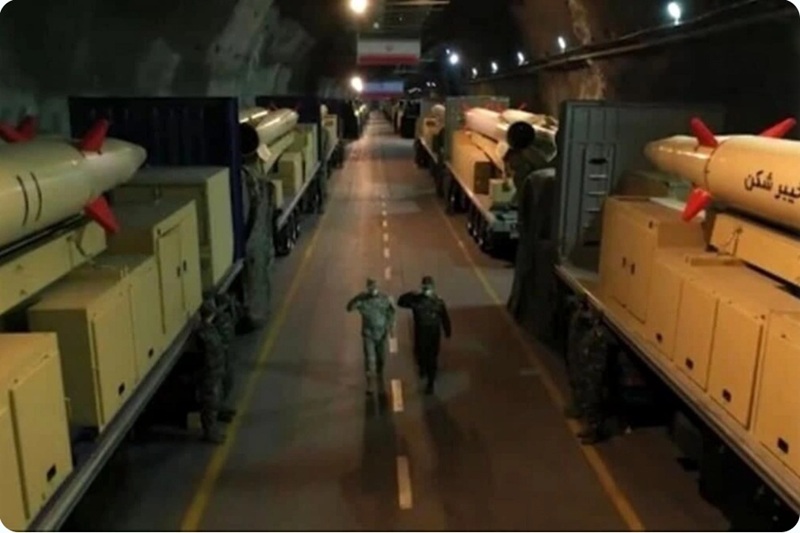
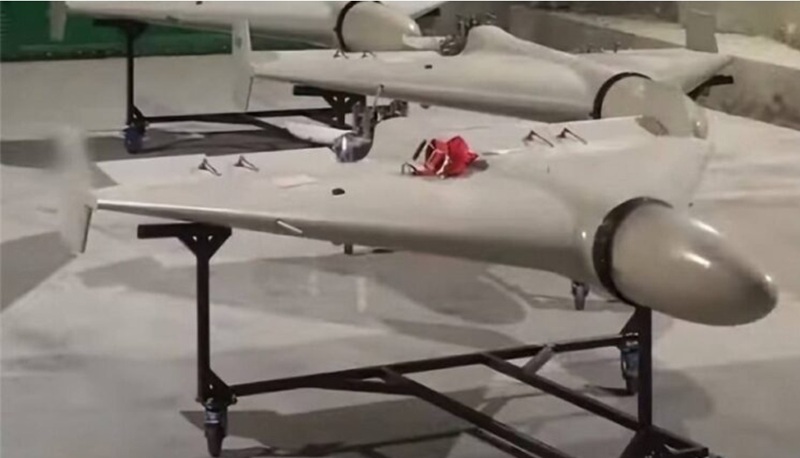
A series of recent strikes has reportedly dealt a major blow to the U.S.-led missile defense network in the Middle East, with several high-value radar systems destroyed across the Gulf region.
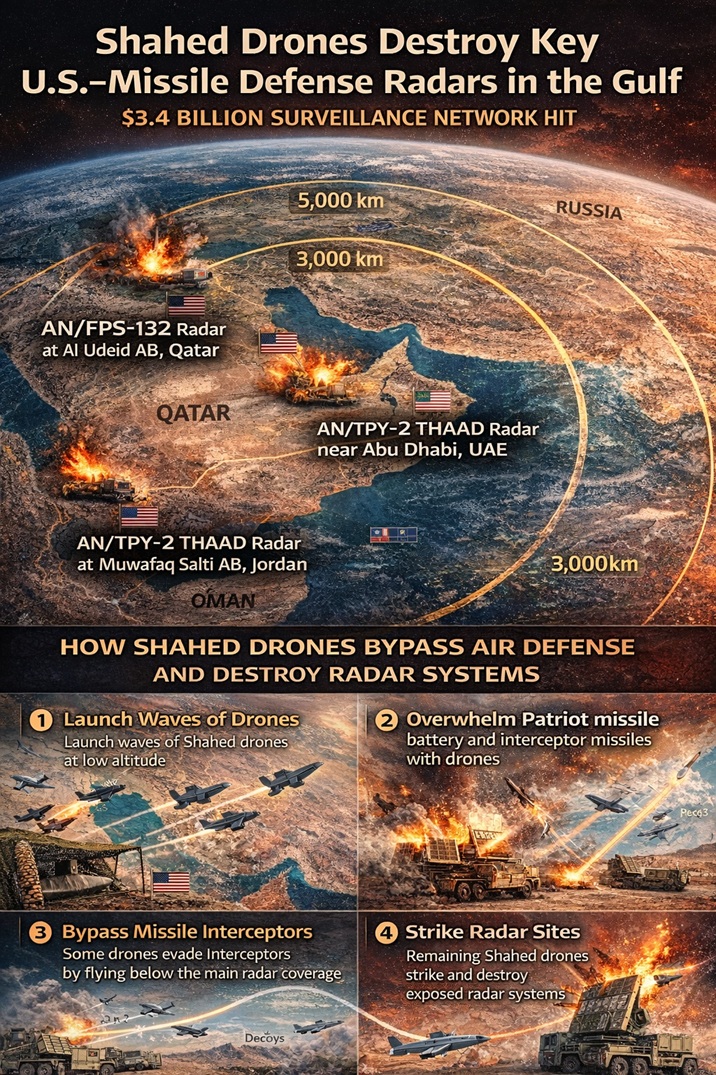
New assessments suggest that two additional AN/TPY-2 radars used by the THAAD missile defense system have been destroyed—one near Abu Dhabi in the United Arab Emirates and another at Jordan’s Muwafaq Salti Air Base.
These losses add to the earlier destruction of the AN/FPS-132 early-warning radar at Al Udeid Air Base in Qatar, bringing the estimated value of destroyed radar infrastructure to more than $3.4 billion.
Strategic Radar Network Severely Damaged
The radars affected are among the most sophisticated components of the U.S. global missile defense architecture.
Three key systems reportedly destroyed include:
AN/TPY-2 Radar
-
Core sensor used in the THAAD missile defense system
-
Capable of detecting ballistic missiles thousands of kilometers away
-
Provides tracking data for missile interceptors
AN/FPS-132 Radar
-
A powerful early-warning radar used for long-range missile detection
-
Monitors strategic missile launches across vast regions
-
Provides early warning for U.S. and allied defense networks
With multiple radar systems now destroyed, analysts warn that the regional missile detection network has suffered a significant gap.
Radar Coverage Loss Extends Thousands of Kilometers
The destroyed radar sites previously monitored vast areas across the Middle East and beyond.
Coverage ranges for these systems can reach between:
-
3,000 kilometers
-
Up to 5,000 kilometers
The AN/FPS-132 radar alone reportedly monitored areas extending toward:
-
Western China
-
Parts of Russia
-
Large sections of the Middle East
With its destruction, a major portion of the long-range missile detection capability in the region has been lost.
Defense analysts note that replacing such coverage with airborne platforms such as surveillance aircraft would be extremely difficult, especially over areas protected by Iranian air defense systems.
Shahed Drones Used to Destroy Advanced Radar Systems
Perhaps the most striking aspect of the attacks is the weapon reportedly used.
Many of the radar strikes were not carried out with ballistic missiles but with Shahed loitering drones, inexpensive unmanned systems developed by Iran.
Shahed drones are estimated to cost tens of thousands of dollars per unit, making them dramatically cheaper than the systems they targeted.
Despite their relatively simple design, these drones were able to destroy radar systems worth billions of dollars, highlighting the growing impact of asymmetric drone warfare.
Cheap Drones vs Billion-Dollar Defenses
The strikes illustrate a fundamental challenge in modern air defense.
Advanced radar and missile defense systems cost billions of dollars to build and maintain.
However, relatively inexpensive drones can exploit gaps in defenses, especially when launched in large numbers.
This creates a cost imbalance:
-
Shahed drone: tens of thousands of dollars
-
THAAD radar system: hundreds of millions to over $1 billion
-
Long-range radar networks: multi-billion-dollar infrastructure
By targeting radar systems first, attackers can degrade the defender’s ability to detect incoming threats.
Blinding the Missile Defense Network
Analysts say the attacks may represent a deliberate strategy.
Instead of attempting to overwhelm missile interceptors directly, the strikes targeted the sensors that guide those interceptors.
Without radar detection and tracking data, missile defense systems struggle to:
-
Detect incoming missiles early
-
Track their trajectories
-
Guide interceptors to the target
In effect, destroying radar systems can blind an air-defense network before interceptors are even launched.
Strategic Implications for the Gulf
The loss of multiple radar systems could significantly affect the U.S. and allied missile defense posture in the Gulf region.
Radar networks are the backbone of layered air defense systems that combine:
-
Early-warning radars
-
Tracking radars
-
Interceptor missiles
-
Command and control systems
If key radar nodes are removed, the effectiveness of the entire network can be reduced.
Drone Warfare Is Changing Modern Conflict
The events highlight how low-cost drone technology is reshaping modern warfare.
Weapons once dismissed as simple nuisance systems are increasingly capable of striking high-value military infrastructure.
By targeting radar systems rather than missile launchers, attackers can create disproportionate strategic effects with relatively inexpensive weapons.
The Next Phase of the Conflict
With several radar systems reportedly destroyed and missile defense interceptors already under pressure, attention is now shifting to what comes next.
If surveillance coverage remains degraded, future missile strikes could become harder to detect and intercept.
In strategic terms, the destruction of radar systems may prove just as significant as the destruction of missile launchers or aircraft.
Because in modern air defense, seeing the threat is the first step to stopping it.