Somalia is reported to be in advanced negotiations with Pakistan for the acquisition of 24 JF-17 Thunder Block III fighter jets, a move that would mark one of the most consequential defence procurements undertaken by Mogadishu since the collapse of its central government in 1991 .
If finalised, the deal would represent a structural inflection point in the Horn of Africa’s air-power balance, signalling Somalia’s transition from decades of externally supported counter-insurgency operations to the restoration of a sovereign, multi-role air combat capability over its vast airspace and 3,300-kilometre coastline.
Post-Embargo Strategic Reset
The prospective acquisition follows the December 2023 lifting of the United Nations arms embargo, which enabled the Federal Government of Somalia to recalibrate its defence doctrine after more than three decades of enforced military limitation.
Since 1991, Somalia has lacked a functional air force, relying almost entirely on allied aerial support for counter-terrorism operations against Al-Shabaab. While Turkish-supplied UAVs and temporary deployments of combat aircraft improved tactical effectiveness, they did not address the absence of indigenous air-policing, deterrence, and maritime surveillance capability.
In this context, the JF-17 negotiations represent not merely a procurement decision, but the keystone of Somalia’s post-embargo military reconstitution strategy.
Negotiations Move Beyond Exploration
The talks gained strategic visibility following a February 2026 visit to Islamabad by a senior Somali delegation led by Somali Air Force Commander Mohamud Sheikh Ali (Dable Baylood), underscoring that discussions have progressed from exploratory engagement into structured, state-to-state defence negotiations.
Within Pakistan, officials have framed the JF-17’s export logic around affordability and operational sufficiency. Defence Production Minister Raza Hayat Harraj noted that while Western fighters may offer higher-end technology, they typically cost more than three times as much as the JF-17, which is priced at approximately USD 30–40 million per aircraft.
Why the JF-17 Block III Fits Somalia’s Needs
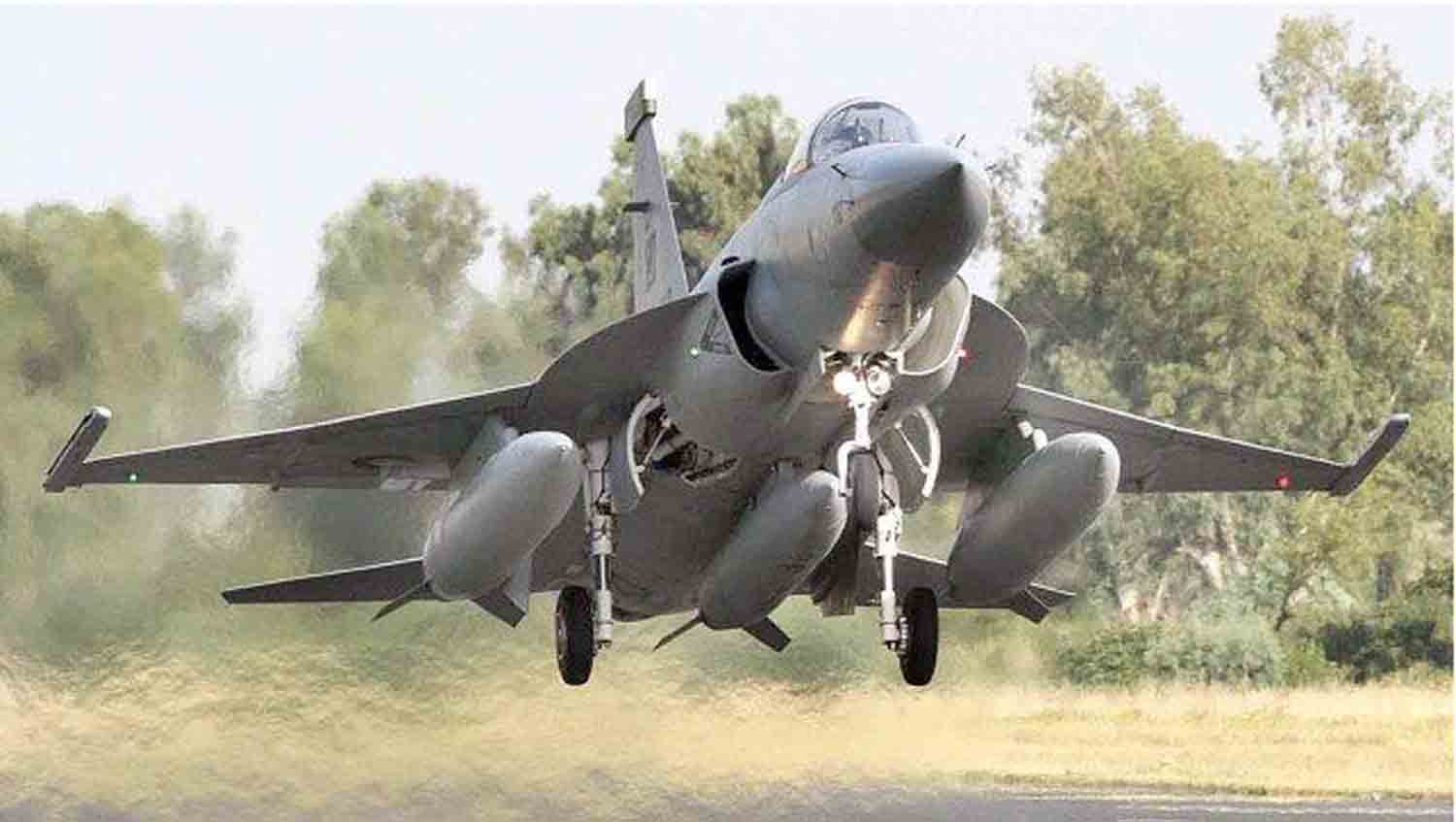
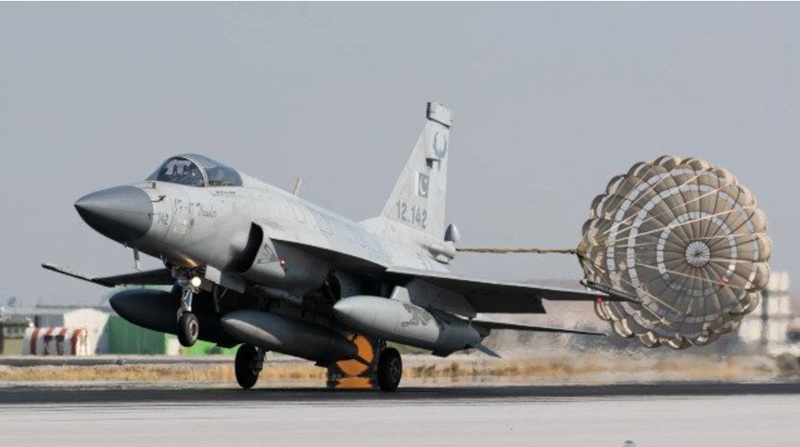
The JF‑17 Thunder Block III occupies a uniquely advantageous position for emerging air forces such as Somalia’s.
Technically, the Block III variant integrates an AESA radar, advanced electronic warfare systems, helmet-mounted display, and beyond-visual-range missile capability. Powered by the RD-93MA engine, it offers a combat radius exceeding 1,350 kilometres—well suited to Somalia’s expansive geography and maritime domain.
Crucially, its lower acquisition and sustainment costs allow Somalia to field two full squadrons, enabling meaningful coverage rather than symbolic air presence.
The platform’s political flexibility is equally important. Unlike Western fighters, the JF-17 carries fewer end-user restrictions, offers flexible weapons integration, and allows sourcing of munitions from multiple suppliers—an advantage for states seeking to preserve strategic autonomy.
Historical Restoration After Decades of Absence
During the Cold War, Somalia fielded one of Africa’s most formidable air forces, operating MiG-21s, MiG-17s, and Il-28 bombers under the Siad Barre regime. That capability disintegrated rapidly after 1991, leaving the country without a viable air arm for more than two decades.
The JF-17 proposal symbolises both historical restoration and doctrinal reinvention, shifting from Soviet-era mass fleets to modern, network-enabled, precision-strike aviation aligned with contemporary threat environments.
Geopolitical Dimensions and Regional Alignment
Analysts suggest the programme may be embedded within a broader Muslim-majority defence cooperation framework, with potential Qatari financial backing and Turkish diplomatic facilitation supporting the acquisition.
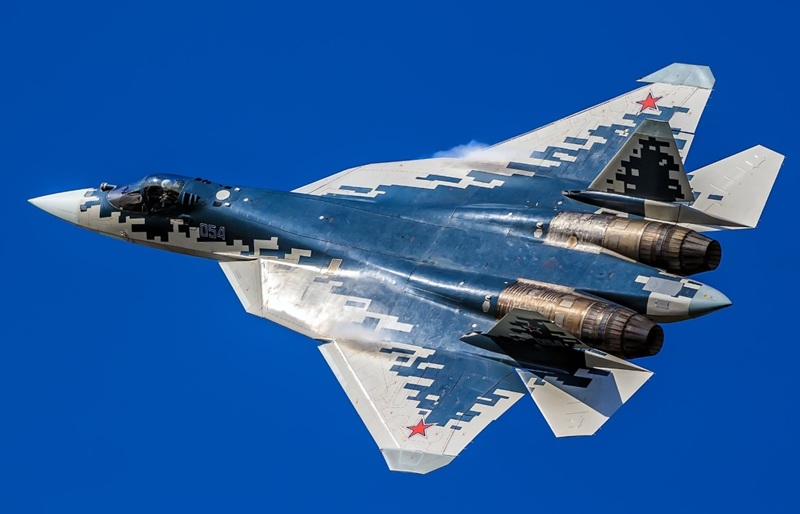
Such alignment would situate Somalia within a multipolar defence network increasingly asserting autonomy from Western and Russian arms monopolies, while also serving as strategic signalling amid rising regional tensions, including concerns over territorial integrity and external military cooperation in the Horn of Africa.
Challenges Ahead
Despite its strategic promise, the deal faces significant implementation challenges. Somalia will require substantial investment in aviation infrastructure, pilot training, maintenance facilities, and logistics chains. Even with external financial support, total programme costs—including weapons, spares, and training—could exceed USD 900 million.
There is also international scrutiny to consider, alongside Pakistan’s own production constraints, with annual JF-17 output currently averaging around 24 aircraft.
Nevertheless, analysts describe these hurdles as manageable when weighed against the strategic payoff.
A Transformational Procurement
If concluded, the Somalia–Pakistan JF-17 Block III deal would restore Somalia’s air-defence credibility, enhance maritime security, and symbolise the country’s re-emergence as a sovereign military actor after more than three decades of aerial absence.
Taken together, the negotiations represent one of the most consequential African fighter procurement narratives of the post-embargo era.