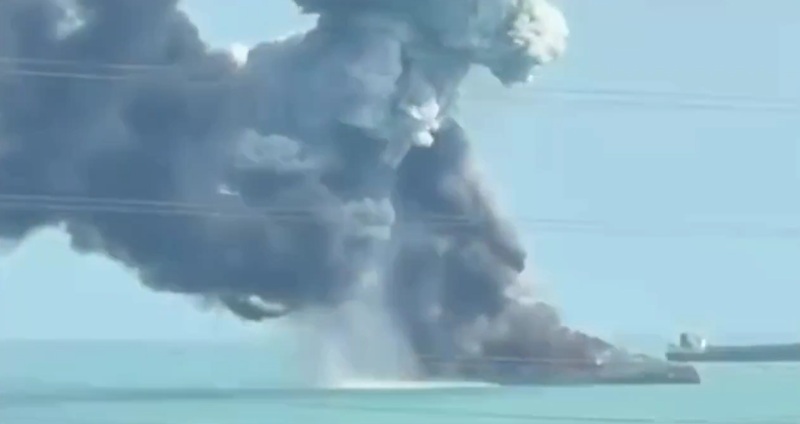
The White House says the war could be over in four to six weeks.
But the mechanism that actually determines whether the global oil system returns to normal could take six to eighteen months.
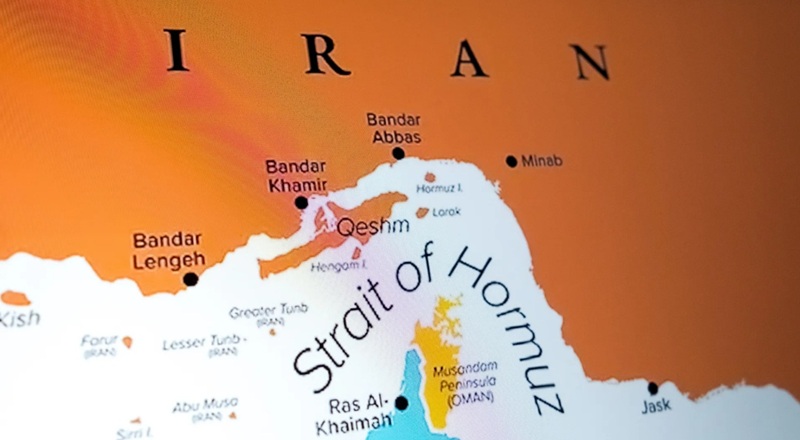
The difference between those timelines may determine how global energy markets react to the conflict in the Strait of Hormuz, the maritime chokepoint through which roughly one-fifth of the world’s oil supply passes.
While military operations may end relatively quickly, the financial and institutional systems that enable oil shipping operate on a much slower clock.
Military Campaign Showing Early Success
Nine days into Operation Epic Fury, U.S. and allied military operations appear to have achieved several key objectives.
According to reports cited by analysts:
- Iranian air defense networks have reportedly suffered heavy losses
- Missile launches have declined significantly from initial levels
- Thousands of military targets have been struck
- Air superiority was reportedly achieved within the first two days of the campaign
Economic analysts at Oxford Economics suggest that the most intense phase of military operations could conclude within one to three weeks, with diplomatic negotiations potentially emerging within two months.
Officials in Washington have repeatedly emphasized a four-to-six-week timeline for the conflict.
However, the end of military strikes does not necessarily mean the return of normal commercial activity.
The Real End of the War: Insurance Markets
For global energy markets, the war effectively ends only when shipping insurers decide it is safe to cover tanker traffic again.
Oil shipments through the Strait of Hormuz depend heavily on war-risk insurance provided by a network of London-based reinsurers and maritime insurance clubs.
When insurers withdraw coverage, shipping companies typically stop operating in the affected area.
Restoring insurance coverage involves a complex institutional process that includes:
- Risk reassessment by insurers
- Reinsurance recapitalization
- Individual vessel underwriting
- Accumulation of safe transit data
These processes cannot be accelerated by political announcements or military victories.
They depend on sustained evidence that commercial shipping routes are safe.
Lessons From the Red Sea Crisis
Recent maritime conflicts demonstrate how slowly these markets can recover.
During the Houthi attacks in the Red Sea, which lasted more than two years, war-risk premiums remained elevated even after attacks slowed.
Despite the relatively limited scale of that campaign—four ships sunk and dozens damaged—shipping traffic in some areas never fully returned to pre-crisis levels.
The situation in the Strait of Hormuz may prove far more complex.
A Much Larger Crisis
The current conflict involves a state-level confrontation with significant geopolitical consequences.
Key factors include:
- The killing of Iran’s Supreme Leader
- Activation of multiple Iranian military commands
- Withdrawal of several maritime insurance providers
- Suspension of most tanker transits through the strait
In addition, uncertainty surrounding Iran’s military structure and nuclear program has further complicated the risk calculations of insurers and shipping companies.
Historical Comparison: The Tanker War
The closest historical comparison may be the Tanker War of the late 1980s, during the Iran-Iraq conflict.
During that period, the United States launched Operation Earnest Will, escorting reflagged Kuwaiti tankers through the Persian Gulf.
The operation required dozens of warships and lasted approximately fourteen months before normal shipping conditions returned.
Even with a centralized Iranian government capable of negotiating ceasefires, restoring confidence in the shipping system took more than a year.
The Structural Challenge
Analysts note that the current conflict may lack a single negotiating authority capable of ending hostilities quickly.
Multiple Iranian military structures operate with varying degrees of autonomy, complicating diplomatic negotiations.
At the same time, political statements from multiple sides indicate little willingness to compromise in the early phase of the conflict.
These dynamics create a situation in which military operations could wind down while underlying risks remain unresolved.
Markets May Be Underestimating the Duration
Many financial models currently assume that disruptions in the Strait of Hormuz will be relatively short-lived.
Oil futures markets still appear to price a return to normal shipping patterns by the third quarter of the year.
However, analysts studying insurance markets suggest the disruption could persist far longer if insurers remain reluctant to cover tanker traffic.
Even a small number of incidents can keep risk premiums elevated for months.
The Clock That Really Matters
In modern conflicts affecting global trade, the timeline of military operations and the timeline of economic recovery are rarely the same.
Military campaigns can conclude in weeks.
But restoring confidence in global shipping networks may take months or even years.
For energy markets, the decisive moment will not come when missiles stop flying.
It will come when the global insurance industry decides that tankers can safely return to the Strait of Hormuz.