The crisis between the United States and Iran has entered a decisive phase. President Trump was briefed Thursday by the top U.S. military commander in the Middle East on potential military options against Tehran, even as nuclear negotiations concluded in Geneva with mixed signals of progress.
The convergence of high-level military planning, fragile diplomacy, and new battlefield technology suggests Washington is preparing for multiple scenarios — from renewed negotiations to potential military action.
CENTCOM Briefs Trump on Military Options

According to U.S. officials, Brad Cooper, commander of United States Central Command (CENTCOM), presented President Donald Trump with military strike options against Iran.
Key details of the briefing:
- It marked Cooper’s first in-person crisis briefing to Trump since tensions escalated last December.
- Dan Caine, Chairman of the Joint Chiefs of Staff, also attended.
- The meeting occurred as the third round of U.S.–Iran nuclear talks concluded in Geneva.
- The White House has not publicly detailed the options discussed.
Sources described the session as a potential “last window” for diplomacy before a final decision.
Geneva Nuclear Talks: Progress on Tone, Gaps on Substance
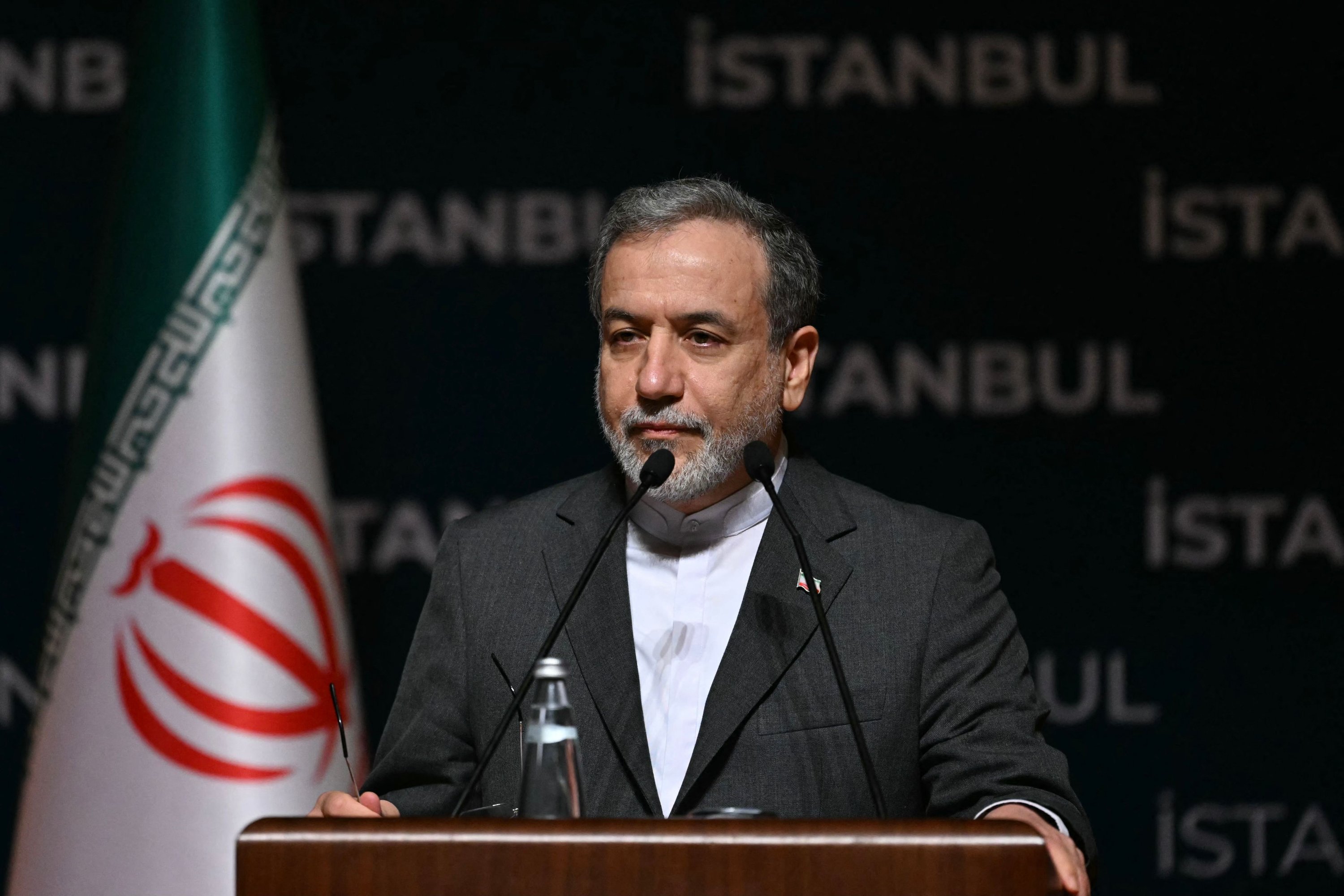
The latest negotiations in Geneva were described as the most serious and longest round yet.
Abbas Araghchi stated that the talks produced “understandings on some issues” while gaps remain on others. Another round is scheduled for next week, including technical discussions in Vienna.
Meanwhile:
- JD Vance emphasized that while strikes are being considered, there is “no chance” of a prolonged U.S. war.
- U.S. officials characterized the talks as “positive,” but major disputes remain over uranium enrichment, facility dismantlement, and long-term restrictions.
Diplomats note that both statements — “good progress” and “far apart” — can coexist. The tone may have improved, but fundamental policy differences remain unresolved.
Massive U.S. Military Build-Up in the Middle East
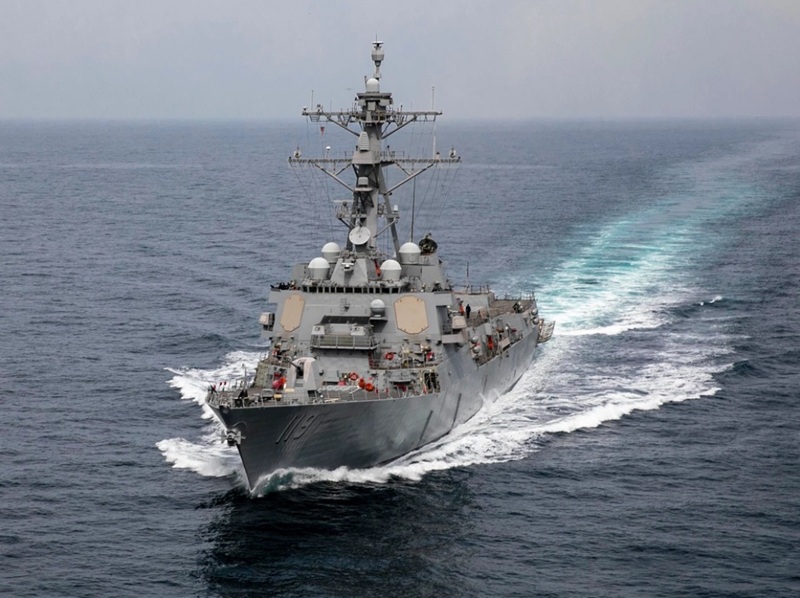
President Trump has reportedly ordered a significant U.S. force buildup in the region. Carrier strike groups, air assets, and precision-strike platforms have been repositioned to provide operational flexibility.
Military analysts suggest that Washington is positioning itself to:
- Deter Iranian retaliation.
- Maintain pressure during negotiations.
- Preserve rapid-strike capability if diplomacy collapses.
The timing of decisions — reportedly expected before U.S. financial markets close — underscores the administration’s awareness of global economic ripple effects.
Pentagon’s Munitions Math and the Rise of “Scorpion Strike”

One of the most significant developments is the operational deployment of “Task Force Scorpion Strike,” reportedly America’s first kamikaze drone unit.
The drone system, known as LUCAS, was reverse-engineered from Iran’s Shahed-136 loitering munition — the same drone widely used by Russia in Ukraine.
Defense sources indicate:
- Unit cost: Approximately $35,000 per drone.
- Capabilities include autonomous targeting, GPS-denied navigation, and swarming.
- Designed to address precision munition shortages.
Reports have highlighted a strategic concern: U.S. stockpiles of high-end precision munitions may only sustain 7–10 days of intensive strikes. For context:
- Tomahawk missiles cost roughly $2 million each.
- JDAM kits range from $25,000–$40,000.
In contrast, swarming loitering drones offer a cost-effective alternative for extended campaigns.
Military planners increasingly view attritable drone systems as a solution to sustaining high-tempo operations without exhausting expensive missile inventories.
Strategic Implications: Diplomacy or Escalation?
The situation now hinges on several factors:
- Whether the next round of talks narrows gaps on enrichment and inspections.
- Iran’s response to U.S. military positioning.
- The credibility of deterrence through new drone capabilities.
- Market sensitivity to potential conflict announcements.
If diplomacy fails, analysts believe Washington could pursue limited, precision-focused strikes rather than a prolonged ground war — consistent with Vice President Vance’s remarks.
However, even limited operations carry risks of regional escalation involving proxy forces and missile retaliation.
Conclusion
The United States stands at a crossroads with Iran. High-level military briefings, an expanded force posture in the Middle East, and the operational deployment of cost-effective drone swarms signal preparation for potential action. Simultaneously, Geneva talks continue, offering a narrow diplomatic off-ramp.
Whether the next phase brings a breakthrough agreement or calibrated military strikes will likely be determined within days — not weeks.