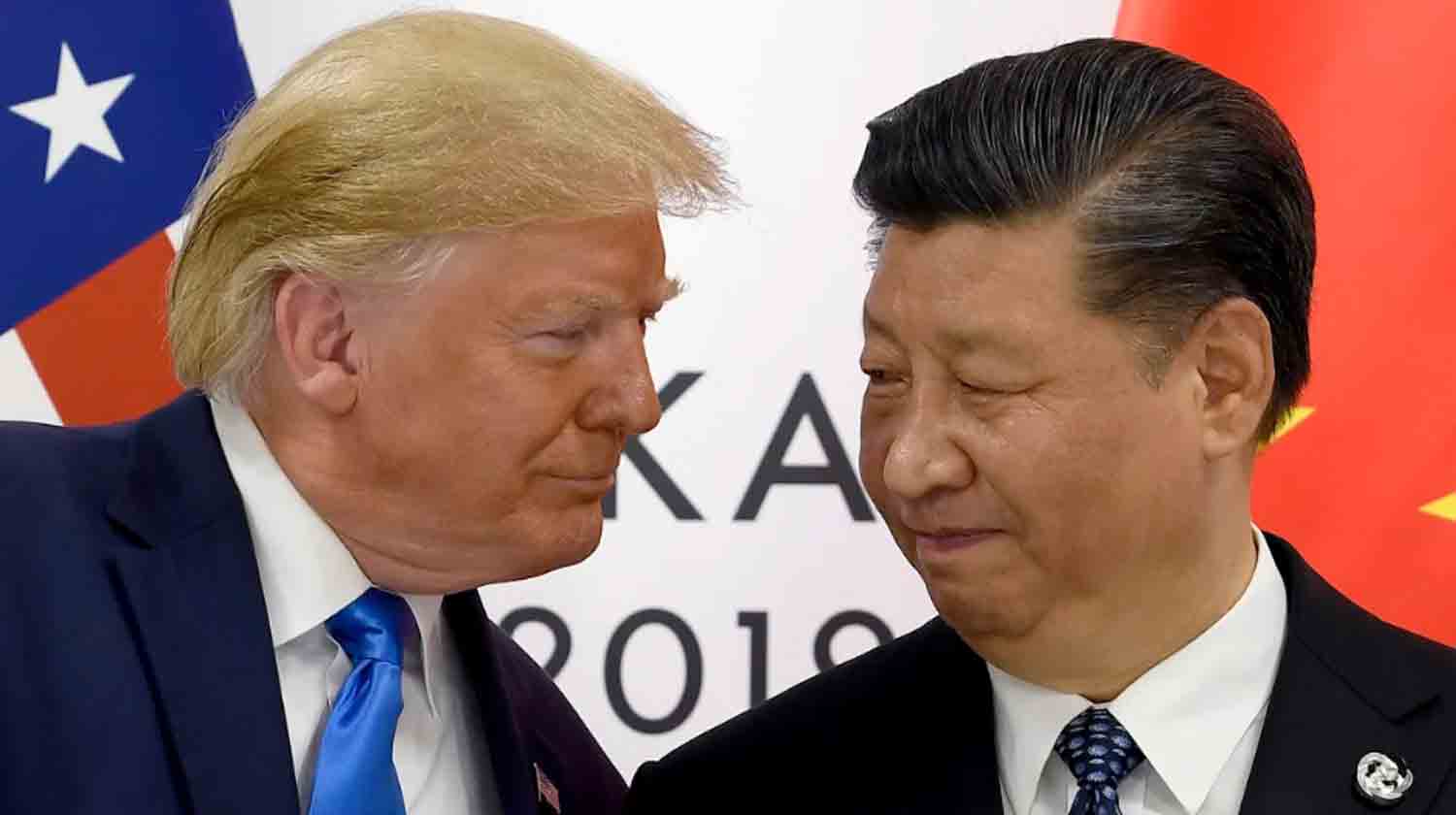
U.S. President Donald Trump has introduced a new demand ahead of his upcoming summit with Chinese President Xi Jinping: China should help reopen the Strait of Hormuz.
The request comes as the strategic waterway — responsible for roughly one-fifth of global oil shipments — faces severe disruption following Iran’s closure of the channel amid escalating conflict in the Middle East.
With global oil prices surging and fears of an energy crisis spreading across international markets, Washington is now seeking broader international cooperation to restore shipping through the vital maritime chokepoint.
Strait of Hormuz Closure Triggers Global Oil Shock
The closure of the Strait of Hormuz has significantly disrupted global energy supplies.
The narrow passage between the Persian Gulf and the Gulf of Oman is one of the world’s most important oil transit routes. Any interruption to traffic through the strait has immediate consequences for global energy markets.
According to analysts, the shutdown has effectively blocked nearly 20 percent of global oil supply, triggering price spikes and raising concerns about potential shortages.
Facing what some officials describe as the most severe oil shock in modern history, the United States has urged several countries to participate in securing the waterway.
Trump has called on nations including:
- France
- Japan
- South Korea
- Britain
to help restore safe passage for commercial shipping.
Trump Links China Cooperation to Upcoming Beijing Visit
Trump has also signaled that China’s willingness to assist could influence whether his planned visit to Beijing proceeds.
In an interview with the Financial Times, Trump said he expects countries benefiting from the strait to help ensure its security.
“It’s only appropriate that people who are the beneficiaries of the strait will help to make sure that nothing bad happens there,” Trump said. “I think China should help too.”
He added that without clarity from Beijing, he may consider delaying the planned summit with Xi Jinping.
Why China Has Little Incentive to Intervene
Despite Trump’s pressure, analysts say China has limited motivation to deploy military forces in support of U.S. operations in the region.
China has spent years preparing for potential energy disruptions by:
- Stockpiling large strategic oil reserves
- Diversifying crude import sources
- Investing heavily in renewable energy technologies such as wind, solar, and electric vehicles
These measures provide Beijing with a degree of insulation from sudden oil supply shocks.
In addition, Iran has reportedly considered allowing limited tanker traffic through the strait if the oil is traded in Chinese yuan, a move that could further reduce China’s incentive to intervene militarily.
Rising Tensions Overshadow Planned U.S.–China Summit
The crisis has overshadowed the upcoming U.S.–China summit, which was originally expected to focus on trade disputes and economic cooperation.
The meeting comes at a time when both countries have been negotiating over issues including:
- Agricultural trade
- Critical minerals
- Tariff policies
U.S. economic leverage has also weakened following a Supreme Court ruling earlier this year that limited Trump’s authority to impose sweeping tariffs on trading partners.
As a result, Washington may be seeking new diplomatic pressure points ahead of negotiations with Beijing.
Chinese Response Remains Cautious
So far, Chinese officials have avoided committing to Trump’s proposal.
Foreign Ministry spokesperson Lin Jian said Beijing remains in communication with Washington regarding the planned summit but did not signal any willingness to deploy Chinese naval forces to the Strait of Hormuz.
“Head-of-state diplomacy plays an indispensable role in providing strategic guidance to China–U.S. relations,” Lin said during a press briefing.
At the same time, Chinese state media has questioned the idea of sending warships to the region.
An opinion piece in the nationalist newspaper Global Times argued that Washington is effectively asking other countries to share the risks of a conflict initiated by the United States.
China Balancing Strategic Interests in the Middle East
China maintains strong strategic ties with Iran and is one of the largest purchasers of Iranian oil.
Beijing has condemned attacks on Iranian territory while also calling for de-escalation across the region.
Although China may be reluctant to participate in military operations in the Strait of Hormuz, it still has a strong interest in maintaining stability in the Middle East.
Even with large energy reserves and diversified imports, prolonged disruption to global oil markets could eventually impact China’s economy.
A New Test for U.S.–China Relations
The crisis surrounding the Strait of Hormuz is rapidly becoming a new test for U.S.–China relations.
Washington hopes that shared economic interests in maintaining global energy flows will push Beijing toward cooperation.
However, China’s strategic partnership with Iran and its cautious approach to military involvement abroad suggest that such cooperation may be difficult to achieve.
As tensions in the Middle East continue to escalate, the outcome of the upcoming summit in Beijing could play a crucial role in determining whether the world’s two largest economies can coordinate a response to the unfolding global energy crisis.