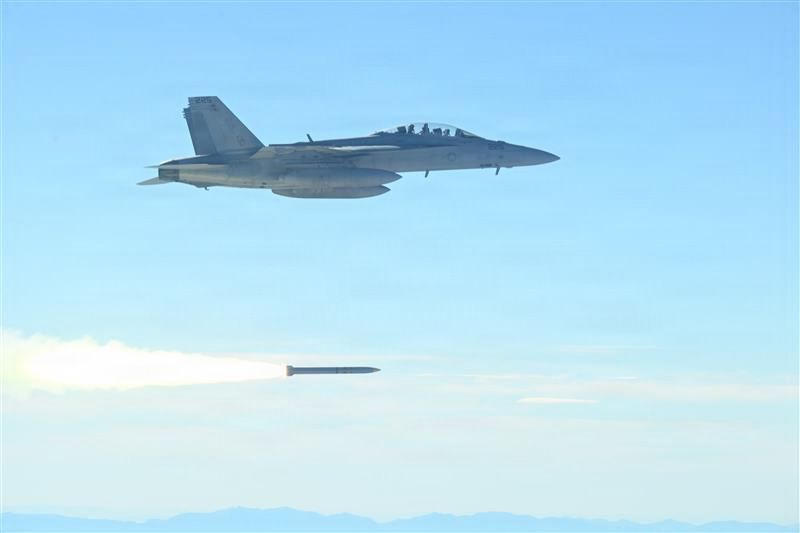
The United States Air Force has successfully conducted a live-warhead test of its Extended Range Attack Munition (ERAM) during a demonstration at the Eglin Test and Training Range, marking a major milestone for the program less than 16 months after the initial contract award.
According to the Air Force, the test achieved all primary objectives, including full warhead detonation, while collecting high-fidelity performance data required to mature the weapon system. The demonstration forms part of ERAM’s accelerated development pathway, aimed at delivering a new long-range strike capability to operational units on a compressed timeline.
Industry Partnership and “Rusty Dagger” Validation
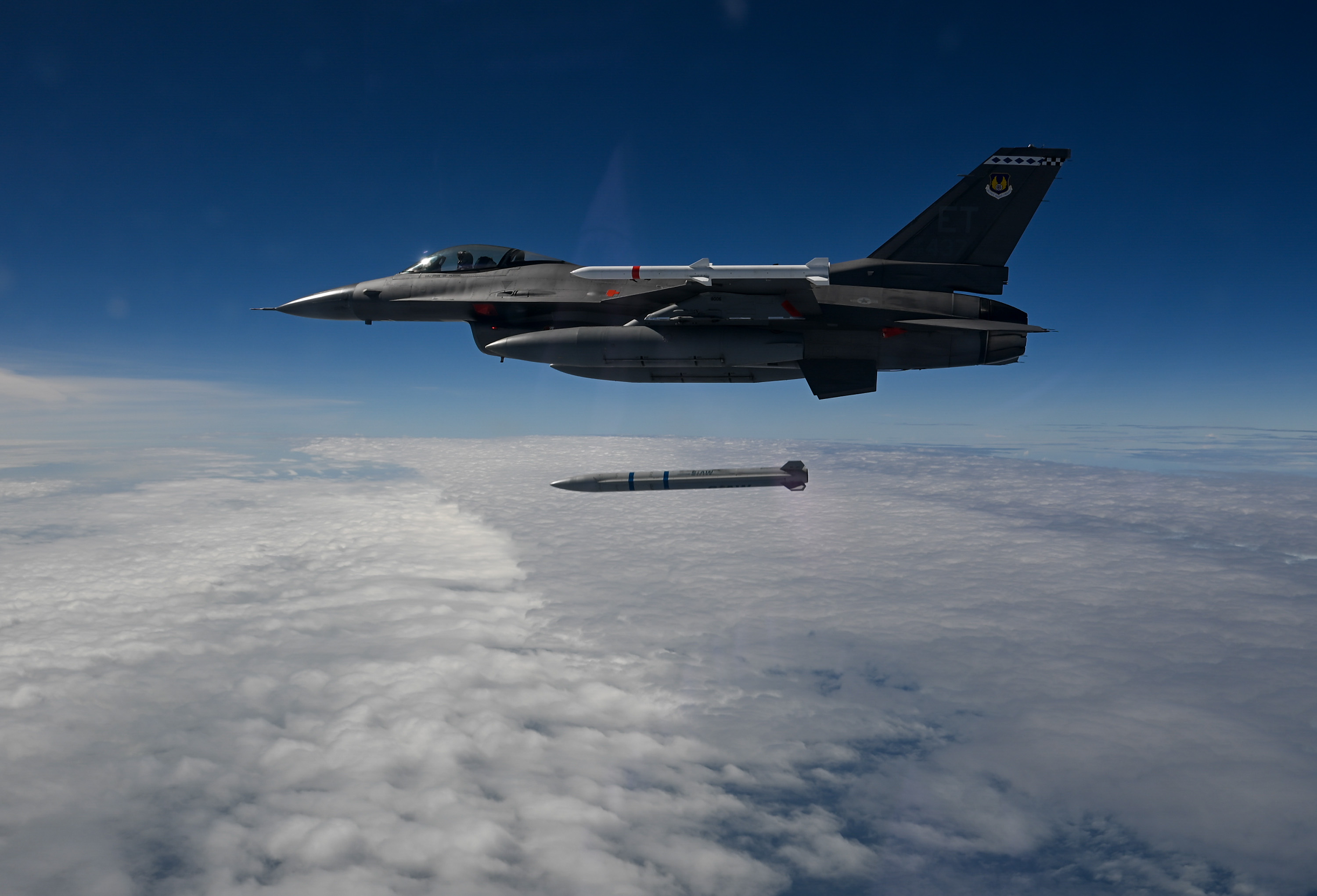
Defense firm Zone 5 Technologies confirmed it supported the Air Force during the live-fire event, stating that the test validated the maturity of its “Rusty Dagger” concept, which underpins ERAM’s design philosophy.
Company officials said the demonstration proved the system’s readiness as a next-generation, affordable long-range strike solution, highlighting the effectiveness of close collaboration between industry and the Air Force in rapidly advancing critical technologies.
Accelerated Development at the “Speed of Relevance”
Air Force officials described the test as a new benchmark, noting that ERAM advanced from contract award to live-warhead testing in under two years. The pace reflects the service’s emphasis on delivering combat-ready capabilities at what it terms the “speed of relevance,” particularly as it prepares for high-end conflicts.
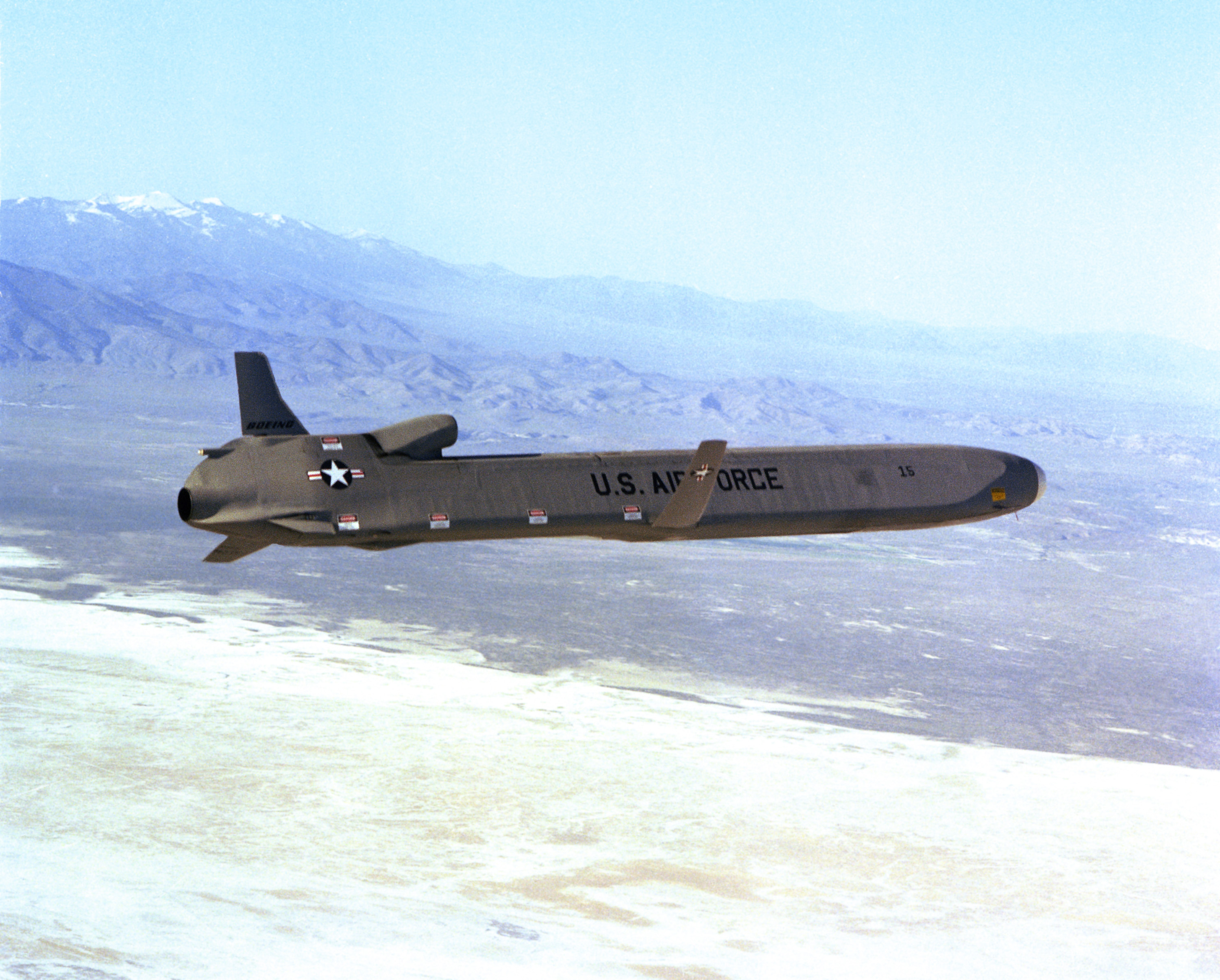
ERAM is a next-generation, air-launched cruise missile designed to deliver precision standoff strikes against high-value fixed targets. The system is intended to provide what the Air Force calls “affordable mass”—allowing commanders to deploy large numbers of long-range weapons without relying solely on more expensive legacy munitions.
Addressing Long-Range Strike Capacity Gaps
By prioritizing cost control and rapid producibility, the ERAM program aims to close gaps in long-range strike inventories at a time when sustainment and depth of stockpiles are becoming critical planning factors. The missile is designed for mass production while maintaining sufficient range and accuracy to operate against defended targets.
Brig. Gen. Robert Lyons III, Portfolio Acquisition Executive for Weapons, said the program demonstrates that lethal and cost-effective capabilities can be delivered rapidly by streamlining processes and empowering development teams.
Testing, Data Collection, and Next Steps
The test was executed through a coordinated effort involving the Air Force Life Cycle Management Center’s Armament Directorate, the 96th Test Wing, and multiple industry partners. Engineers and test conductors at Eglin’s Central Control Facility planned and executed the mission, with data captured using the range’s advanced instrumentation and tracking systems.
Officials said the data will be used to validate ERAM’s performance and inform upcoming development phases, including potential production decisions. Conducting live-warhead testing at this stage is intended to reduce technical risk before the system is fielded to operational units.
Brig. Gen. Mark Massaro, commander of the 96th Test Wing, said the future battlefield demands cost-effective, attritable weapons that allow commanders to generate mass and maintain operational advantage—making ERAM a key component of the Air Force’s evolving strike doctrine.