The United States has approved $11.1 billion in arms sales to Taiwan, marking the largest weapons package ever for the self-governed island as China intensifies military and diplomatic pressure against it.
The package, announced on Wednesday, is the second Taiwan arms sale under President Donald Trump’s current administration and comes amid heightened concerns in Washington and Taipei over Beijing’s growing military posture in the region.
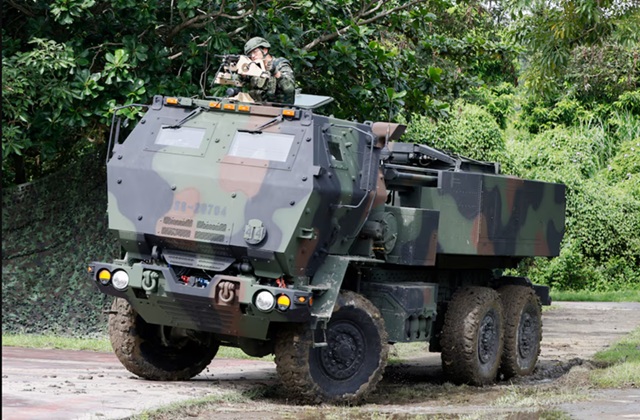
According to Taiwan’s defence ministry, the proposed sales include eight major items, among them HIMARS rocket systems, howitzers, Javelin anti-tank missiles, Altius loitering munition drones, and spare parts for existing equipment.
“The United States continues to assist Taiwan in maintaining sufficient self-defence capabilities and in rapidly building strong deterrent power,” the ministry said, adding that the focus is on asymmetric warfare capabilities designed to counter a larger adversary.
Congressional Review and U.S. Rationale
The arms package has entered the U.S. Congressional notification phase, during which lawmakers can block or modify the sale, although Taiwan-related defence assistance traditionally enjoys broad bipartisan support.
In separate statements, the Pentagon said the sales advance U.S. national, economic and security interests by supporting Taiwan’s military modernisation and ensuring a “credible defensive capability.”
Washington has encouraged Taipei to prioritise mobile, survivable and cost-effective systems, including drones and precision rocket artillery, as part of a broader shift toward asymmetric defence.
Taiwan Welcomes Deal, Boosts Defence Spending
Taiwan’s presidential office welcomed the announcement, reiterating the island’s commitment to defence reform and resilience.
“Our country will continue to strengthen whole-of-society defence resilience and safeguard peace through strength,” presidential spokesperson Karen Kuo said, thanking Washington for its support.
President Lai Ching-te last month unveiled a $40 billion supplementary defence budget covering 2026–2033, declaring there was “no room for compromise on national security.”
Beijing Condemns Sale
China reacted angrily to the announcement, as it routinely does following U.S. arms sales to Taiwan.
Beijing’s foreign ministry said the deal “severely undermines peace and stability in the Taiwan Strait” and demanded an immediate halt to such transactions.
“By aiding ‘Taiwan independence’ with weapons, the U.S. side will only bring fire upon itself,” ministry spokesperson Guo Jiakun said. “Using Taiwan to contain China is absolutely doomed to fail.”
Strategic Context
Defence analysts say systems such as HIMARS, widely used by Ukraine against Russian forces, could play a critical role in repelling a potential amphibious invasion.
“This record package reflects both the growing threat from China and Washington’s demand that partners do more to secure their own defence,” said Rupert Hammond-Chambers, president of the U.S.–Taiwan Business Council.
The announcement follows an unannounced visit by Taiwan’s Foreign Minister Lin Chia-lung to the Washington area last week, according to sources familiar with the matter. Reuters was unable to confirm the agenda of the meetings, and Taiwan’s foreign ministry declined to comment.
Balancing Beijing and Taipei
While the United States maintains formal diplomatic relations with Beijing, it has long upheld unofficial ties with Taiwan and is legally obligated under U.S. law to provide the island with defensive arms.
Trump’s emphasis on deal-making and a planned visit to Chinese President Xi Jinping next year had sparked concerns in the region about U.S. commitment to Taiwan. However, U.S. officials have indicated that arms sales to Taipei are set to exceed levels from Trump’s first term as part of a broader deterrence strategy.
Washington’s newly released national security strategy states that the U.S. aims to deter conflict over Taiwan by maintaining “military overmatch” against China in the region — language welcomed by Taipei.
China considers Taiwan part of its territory, a claim the Taiwanese government firmly rejects.