
U.S. peace negotiators have told Ukraine that any agreement to end the nearly four-year-old war with Russia would require Kyiv to withdraw its forces from the eastern Donetsk region, according to an official familiar with the talks.
The proposal was conveyed during two days of negotiations in Berlin between Ukrainian and U.S. officials, the source said, speaking on condition of anonymity. Kyiv has requested further discussions, while a second person briefed on the talks said significant differences remain, particularly over territorial issues.
Ukrainian President Volodymyr Zelenskiy has been meeting in the German capital with U.S. envoy Steve Witkoff, President Donald Trump’s son-in-law Jared Kushner, and several European leaders as Washington presses Kyiv to make concessions in a bid to end Europe’s deadliest conflict since World War Two.
Despite the pressure, Ukrainian officials struck an optimistic tone in public.
“Over the past two days, Ukrainian-U.S. negotiations have been constructive and productive, with real progress achieved,” Rustem Umerov, secretary of Ukraine’s National Security and Defence Council, said in a post on X. He added that the U.S. delegation was working “extremely constructively” to help secure a lasting peace agreement.
Over the past two days, Ukrainian-US negotiations have been constructive and productive, with real progress achieved. We hope we will reach an agreement that will bring us closer to peace by the end of the day.
There is a lot of noise and anonymous speculation in the media right…— Rustem Umerov (@rustem_umerov) December 15, 2025
Territory and NATO at Center of Talks
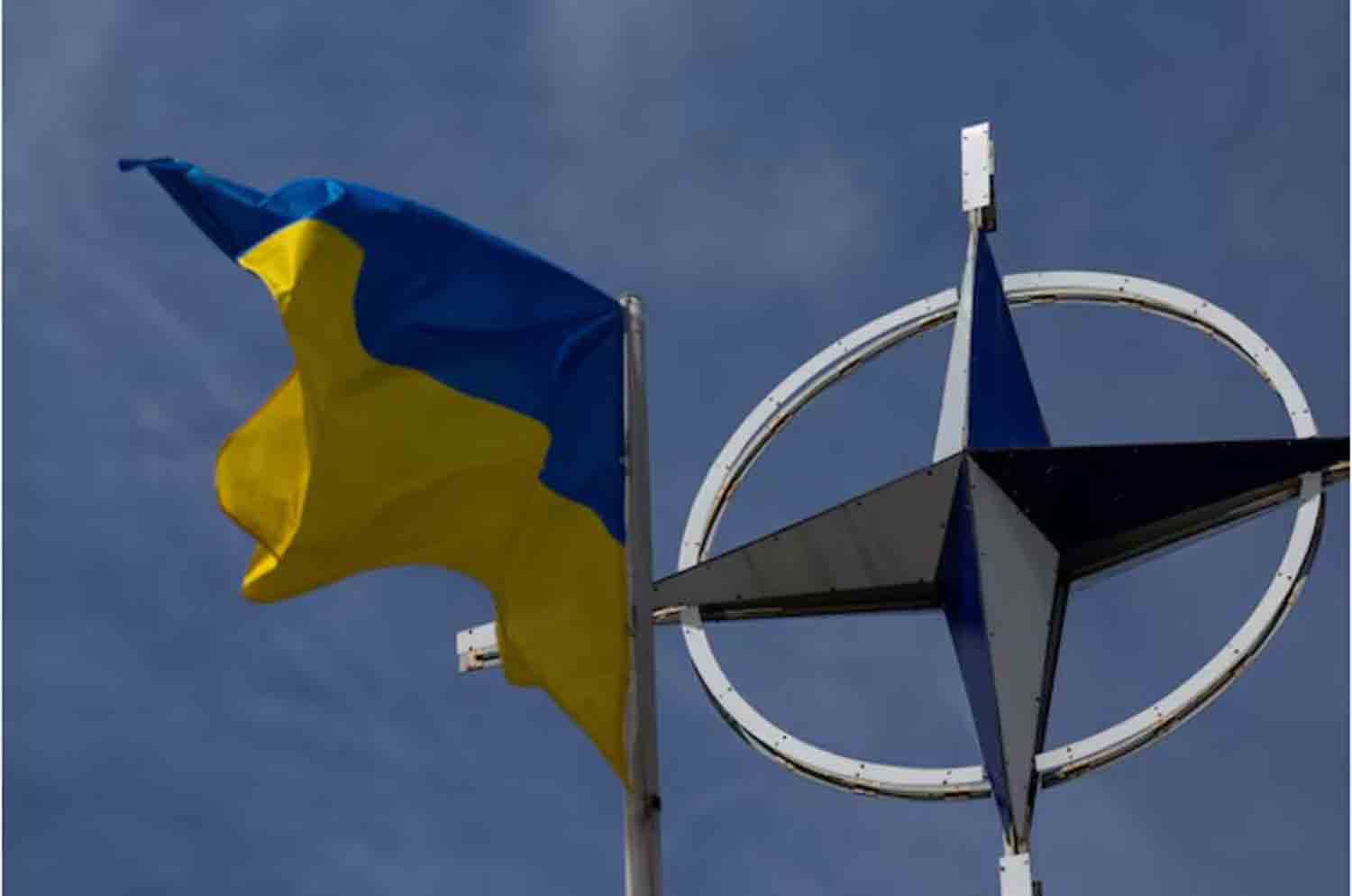
Ukraine said on Sunday it was prepared to drop its long-standing ambition to join NATO in exchange for firm Western security guarantees. However, it remains unclear how far the Berlin talks have advanced on that issue or on the future status of Ukrainian territory, both of which are seen as critical to any ceasefire.
Zelenskiy said on X after Monday’s meetings that “a great deal of work is under way on the diplomatic track,” without providing details.
In Moscow, Kremlin spokesman Dmitry Peskov said Russia’s demand that Ukraine not join NATO remained a “fundamental” condition for a peace settlement. He added that Moscow was expecting a briefing from Washington following the Berlin talks.
Russia claims to have annexed Ukraine’s eastern Donbas region — comprising Donetsk and Luhansk — as well as Crimea and three other regions, a move Kyiv and its European allies reject. Russian forces do not fully control all of the territory they claim, including roughly 20% of Donetsk.
Zelenskiy faces the challenge of appearing flexible to the Trump administration while avoiding concessions that could provoke domestic backlash. A poll published on Monday by the Kyiv International Institute of Sociology found that three-quarters of Ukrainians oppose major concessions to Russia.
While 72% of respondents said they could accept freezing the current front lines with limited compromises, 75% said any Russia-friendly deal involving further territorial losses or limits on Ukraine’s armed forces without clear security guarantees would be “completely unacceptable.”
“If security guarantees are not unambiguous and binding, Ukrainians will not trust them,” said KIIS executive director Anton Hrushetskyi.
Europe Faces a Critical Week
The Berlin talks come at the start of a crucial week for Europe. An EU summit on Thursday is expected to decide whether the bloc can back a large loan to Ukraine using frozen Russian central bank assets.
European governments are also grappling with criticism from Washington over migration, security and technology regulation, as the EU struggles to present a unified response.
EU foreign ministers meeting in Brussels on Monday agreed to pursue new sanctions targeting Russia’s so-called shadow fleet of oil tankers.
“The most important thing now is to ensure we can finance Ukraine,” Danish Foreign Minister Lars Lokke Rasmussen said. “Europe must show it is a strong player.”
European Commission President Ursula von der Leyen, NATO Secretary General Mark Rutte, and the leaders of France, Britain, Italy and Poland are among those expected to join further discussions in Berlin.