The United States appears closer to a large-scale military confrontation with Iran than is widely understood, according to reporting by Axios and multiple officials familiar with internal deliberations. While no formal decision has been announced, the scale of current military movements and diplomatic signaling suggests preparations consistent with a sustained regional campaign rather than a limited strike.
Why this moment matters
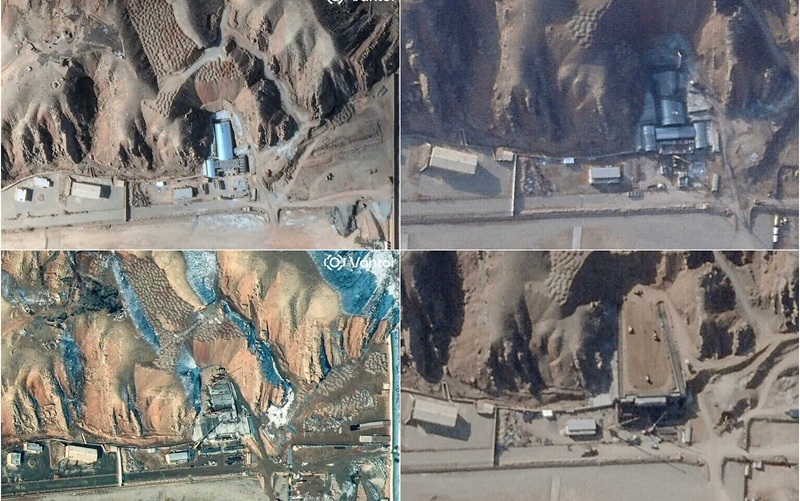
Officials warn that a U.S. operation against Iran would likely unfold over weeks, involving extensive air and naval power. The scope under discussion is described as significantly broader than recent precision actions and potentially more consequential than last year’s Israeli-led conflict, which later drew in U.S. forces to target hardened Iranian nuclear facilities.
Such a war would have far-reaching implications for Middle East stability and for the remaining years of Donald Trump’s presidency. Despite these stakes, the issue has attracted limited public debate as attention in Washington remains focused elsewhere.
From near-strike to dual-track pressure
The administration reportedly came close to authorizing military action earlier this year following violent crackdowns inside Iran. When that opportunity passed, officials shifted to a dual-track strategy: renewed nuclear diplomacy paired with a rapidly expanding military buildup.
By delaying action while assembling overwhelming force, expectations have risen for what any future operation would look like. U.S. officials now privately acknowledge that prospects for a negotiated deal remain uncertain.
Diplomacy continues, but gaps persist
Senior U.S. envoys recently held several hours of talks in Geneva with Iranian Foreign Minister Abbas Araghchi. Public statements from both sides described the discussions as constructive, yet American officials stress that key differences remain unresolved.
Vice President Vance has said the president still prefers a diplomatic outcome, but emphasized that Washington’s core red lines have not been accepted by Tehran. He added that diplomacy could soon reach its limits if progress stalls.
A rapidly expanding military posture
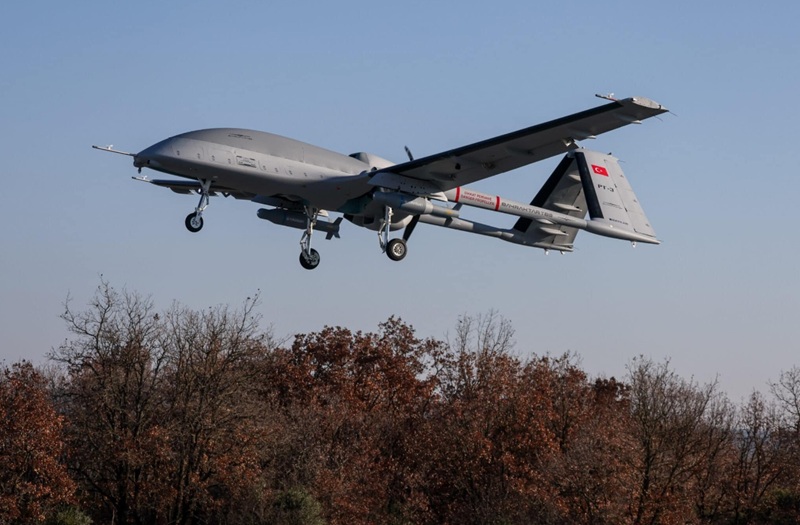
Alongside negotiations, U.S. force posture has grown markedly. Current deployments include two aircraft carriers, roughly a dozen warships, hundreds of combat aircraft, and multiple air and missile defense systems, with additional assets still moving into the region.
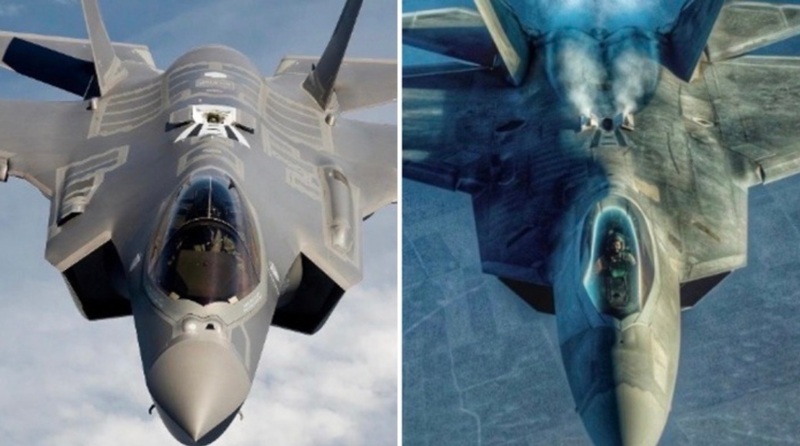
Officials say more than 150 U.S. military cargo flights have already delivered weapons and ammunition to Middle Eastern bases. In just the past day, around 50 additional fighter jets—including F-35s, F-22s, and F-16s—have begun repositioning toward the theater.
Pressure to act is building
After years of confrontation with Iran, officials caution that public fatigue may mask how quickly events could escalate. Internally, advisers argue that the scale of the military buildup makes de-escalation difficult without major Iranian concessions on its nuclear program.
Those close to the decision-making process say the deployments are not intended as a bluff. While outcomes remain unpredictable, they note that the probability of kinetic action rises sharply if talks fail.
Timing: days or weeks?
Israeli officials are reportedly preparing for a scenario in which hostilities could begin within days, reflecting a preference for a maximalist approach targeting Iran’s leadership alongside its nuclear and missile capabilities. Some U.S. officials suggest Washington may require more time, while others believe the timeline could compress rapidly.
One adviser characterized the mood as increasingly impatient, warning that unless negotiations produce tangible results soon, military action is becoming more likely.
A familiar countdown
Iran has been asked to return with a detailed proposal within two weeks. Observers note the similarity to last year, when a comparable decision window preceded the launch of Operation Midnight Hammer just days later.
Bottom line
There is little indication of an imminent diplomatic breakthrough with Iran. At the same time, the scale and speed of U.S. military deployments suggest preparations for a major conflict are well advanced. Whether diplomacy can slow or reverse that momentum remains uncertain—but the window appears to be narrowing.