The United States has approved nearly $15.67 billion in major arms sales to Israel and Saudi Arabia, signaling a strong reaffirmation of Washington’s security commitments to its key Middle Eastern allies amid escalating regional tensions.
The deals, announced on January 30, 2026, were approved by the U.S. State Department under the administration of Donald Trump. They include advanced attack helicopters and tactical vehicles for Israel worth $6.67 billion, and Patriot PAC-3 missile interceptors for Saudi Arabia valued at $9 billion.
The approvals come as the region grapples with the ongoing Gaza conflict, rising fears of Iranian escalation, and continued missile and drone threats across the Gulf.

Arms Package for Israel: Strengthening Air and Ground Power
The U.S. arms sale to Israel is divided into four separate packages, with a focus on enhancing offensive capability, mobility, and battlefield survivability.
Key components include:
- 30 AH-64E Apache attack helicopters, equipped with advanced targeting systems, rocket launchers, and precision-guided weapons. The helicopters are designed for close air support, anti-armor missions, and high-intensity combat.
- 3,250 Joint Light Tactical Vehicles (JLTVs), valued at approximately $1.98 billion, aimed at improving troop mobility and protection in complex operational environments.
- Additional equipment such as power packs for armored personnel carriers and light utility helicopters.
According to the State Department, the sale supports Israel’s qualitative military edge and aligns with U.S. national security objectives by strengthening a frontline ally facing threats from Iranian-backed groups.
The timing of the approval coincides with Israel’s ongoing military operations in Gaza and mounting concerns over a potential direct confrontation with Iran. Critics argue the administration may have accelerated notification procedures, limiting the scope of congressional review.
Patriot Missile Deal for Saudi Arabia: Expanding Air Defense
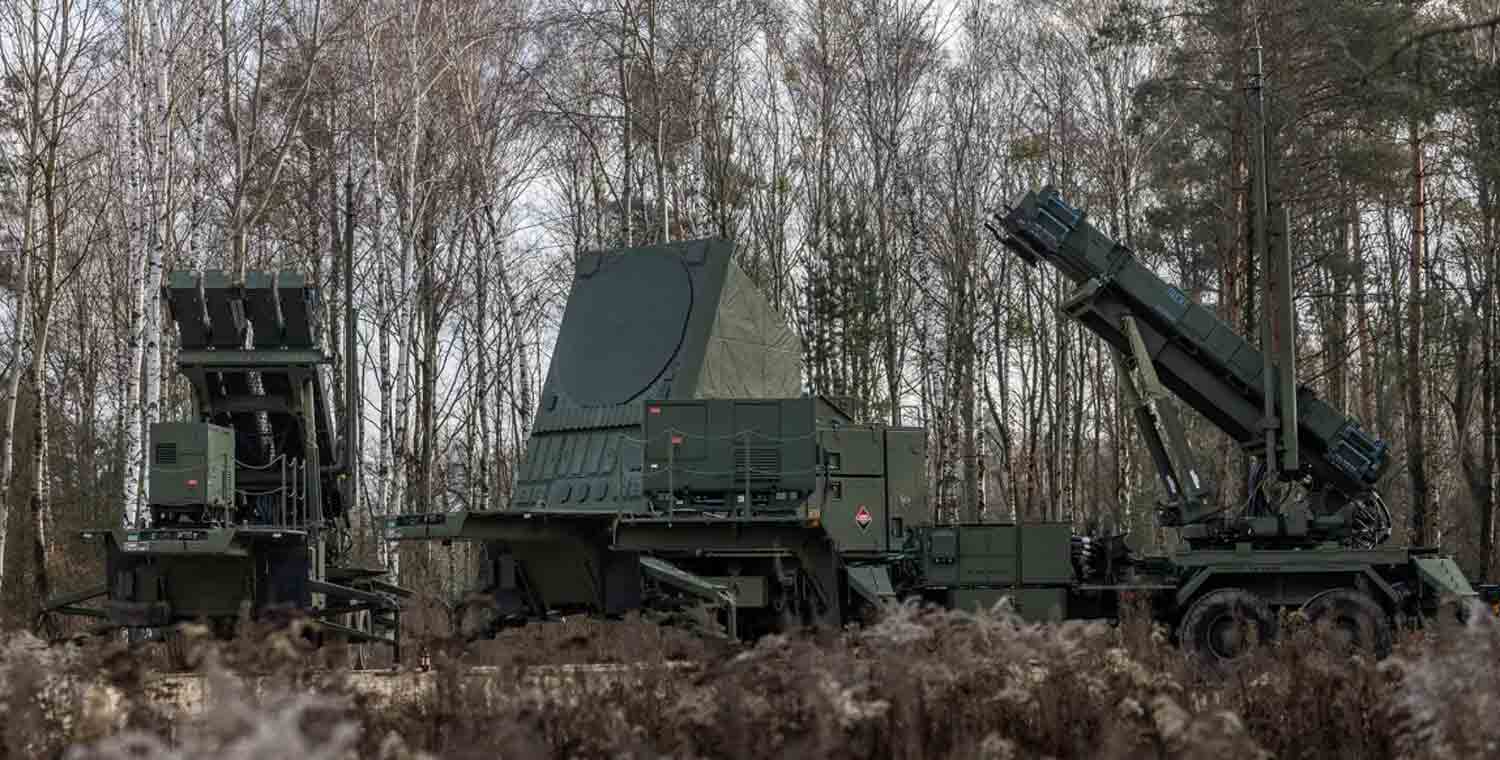
The larger portion of the announcement involves Saudi Arabia’s acquisition of 730 Patriot Advanced Capability-3 (PAC-3) Missile Segment Enhancement (MSE) interceptors, along with training, logistics, and technical support.
The Patriot system is a cornerstone of integrated air and missile defense, capable of intercepting ballistic missiles, cruise missiles, and hostile aircraft. U.S. officials say the sale will significantly enhance Saudi Arabia’s ability to defend its territory, U.S. forces in the region, and Gulf allies.
The Defense Security Cooperation Agency stated that the deal will strengthen Gulf-wide missile defense cooperation. Lockheed Martin will serve as the principal contractor.
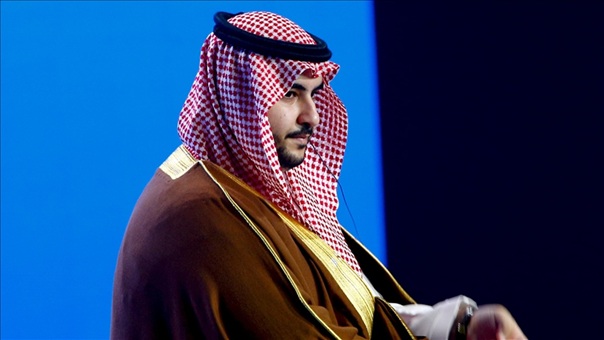
The sale follows recent Washington meetings between Saudi Defense Minister Khalid bin Salman and senior U.S. officials, including Secretary of State Marco Rubio and Defense Secretary Pete Hegseth. Riyadh has faced repeated missile and drone attacks from Yemen’s Iran-aligned Houthi movement, making advanced air defense systems a strategic priority.
Regional Context and Strategic Implications
The arms approvals reflect Washington’s broader strategy of deterrence against Iran, reinforcing allies as concerns grow over Tehran’s missile capabilities, proxy networks, and nuclear ambitions.
Israel continues to face threats from Iranian-backed militias across multiple fronts, while Saudi Arabia remains wary of renewed escalation that could undermine Gulf security and economic diversification efforts.
Supporters of the deals argue that bolstering allied defenses reduces the likelihood of wider conflict by deterring Iranian adventurism. Critics, including some U.S. lawmakers, raise concerns about civilian casualties in Gaza and human rights issues linked to the Yemen conflict.
Under U.S. law, Congress has a 30-day review window to examine the proposed sales, though late-week notifications may limit debate. Similar arms transfers during President Trump’s earlier term faced scrutiny but ultimately moved forward.
Bottom Line
The combined $15.67 billion arms sales underscore America’s determination to fortify its Middle Eastern partners during a period of exceptional volatility. As conflicts persist and regional rivalries intensify, these deals are likely to shape the strategic balance of power in the Middle East for years to come.