The United States is pursuing an increasingly visible dual-track strategy toward Iran, combining diplomatic negotiations in Islamabad with a major military reinforcement across the Middle East, even as intelligence reports suggest China may be preparing to transfer new air-defense systems to Iran.
The approach underscores Washington’s effort to preserve diplomatic leverage while simultaneously preparing for the possibility of renewed escalation if the fragile ceasefire collapses.
At the center of the intelligence concern are reported preparations for MANPADS shipments — shoulder-fired air-defense missiles that could significantly threaten low-flying U.S. aircraft in the region.
China-Iran Air Defense Concerns Raise Stakes
According to U.S. intelligence assessments, Beijing may be preparing to route air-defense systems to Iran through third countries in an effort to conceal the shipments’ true origin.
If confirmed, this would represent a serious escalation.
Such systems pose a major asymmetric threat to:
- fighter aircraft
- ISR platforms
- helicopters
- low-altitude strike missions
This concern comes at a particularly sensitive moment, with President Donald Trump expected to meet Xi Jinping in Beijing next month.
At the same time, Beijing continues to publicly deny any military support to Tehran.
Islamabad Talks Continue as Military Pressure Rises
While diplomatic talks continue in Islamabad, Washington is simultaneously intensifying its military posture across the region.
This two-track strategy appears designed to combine negotiation with visible coercive pressure.
The military buildup now includes:
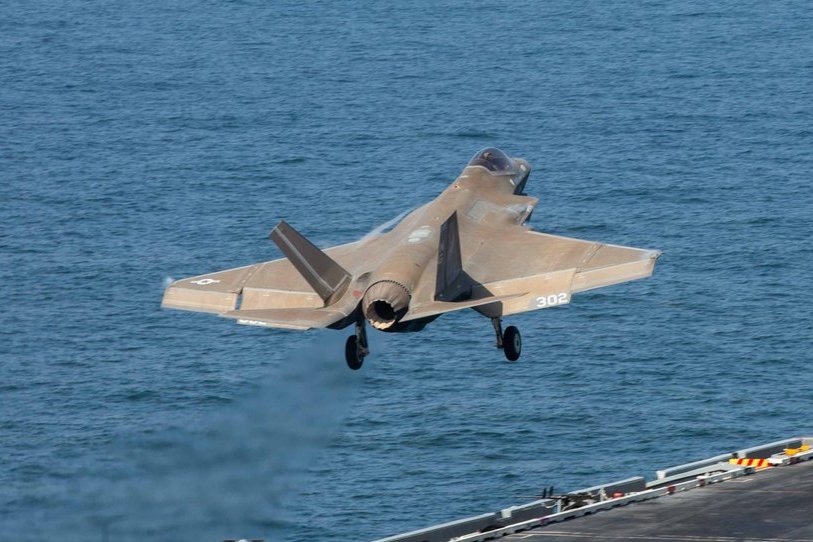
- additional fighter aircraft deployed into CENTCOM
- up to 2,000 troops from the 82nd Airborne Division expected within days
- thousands of sailors and Marines en route
- expanded airlift and surveillance operations
82nd Airborne Division
The reinforcement signals that Washington is keeping significant strike and rapid-reaction options available.
Carrier Strike Groups Moving Into Position
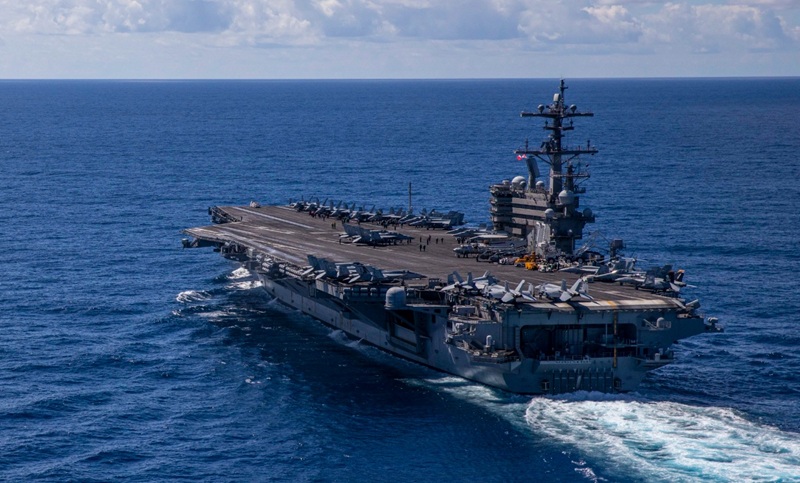
Large U.S. naval formations remain active across multiple theaters connected to the crisis.
Current and inbound deployments include:
- USS Gerald R. Ford Carrier Strike Group in the Eastern Mediterranean
- USS Abraham Lincoln Carrier Strike Group in the northern Arabian Sea
- USS Tripoli Amphibious Ready Group in the northern Arabian Sea
- USS George H. W. Bush Carrier Strike Group moving across the Atlantic
- USS Boxer Amphibious Ready Group heading toward the Middle East
The arrival of the Bush and Boxer groups is expected to take more than a week, but their movement significantly strengthens U.S. regional force posture.
Air Activity Over Gulf Remains Intense
U.S. air operations over the Persian Gulf remain at a high tempo.
In the past 24 hours alone, activity reportedly included:
- at least 9 KC-135 and KC-46 aerial refueling tankers
- at least 1 E-3B AWACS
- multiple reconnaissance flights
Boeing KC-135 Stratotanker
Boeing KC-46 Pegasus
Boeing E-3 Sentry
This level of tanker support strongly suggests sustained fighter and ISR activity across Iraq, the Persian Gulf, and surrounding airspace.
Strategic Airlift and Recon Flights Continue
The U.S. is also maintaining a high operational tempo through strategic airlift.
At least 20 C-17A Globemaster III flights reportedly moved equipment from the U.S. and Europe to:
- Israel
- Camp Lemonnier
- Incirlik Air Base
Boeing C-17 Globemaster III
Reconnaissance missions remain equally active.
At least 7 ISR sorties involving:
- Boeing P-8 Poseidon
- Northrop Grumman MQ-4C Triton
- Boeing RC-135 Rivet Joint
have been reported across the Eastern Mediterranean, Gulf of Aden, and especially the Strait of Hormuz.
Two MQ-4C sorties reportedly launched from Sigonella Air Base toward Hormuz.
Strategic Message Is Clear
The message from Washington is increasingly clear:
talks continue, but military readiness is accelerating.
The United States appears determined to keep diplomatic channels open while ensuring overwhelming force remains available if negotiations fail.
That dual-track posture is likely intended both to pressure Tehran and to shape Beijing’s calculations regarding any military support to Iran.
The coming days — particularly developments in Islamabad and the arrival of new U.S. formations — may prove decisive.