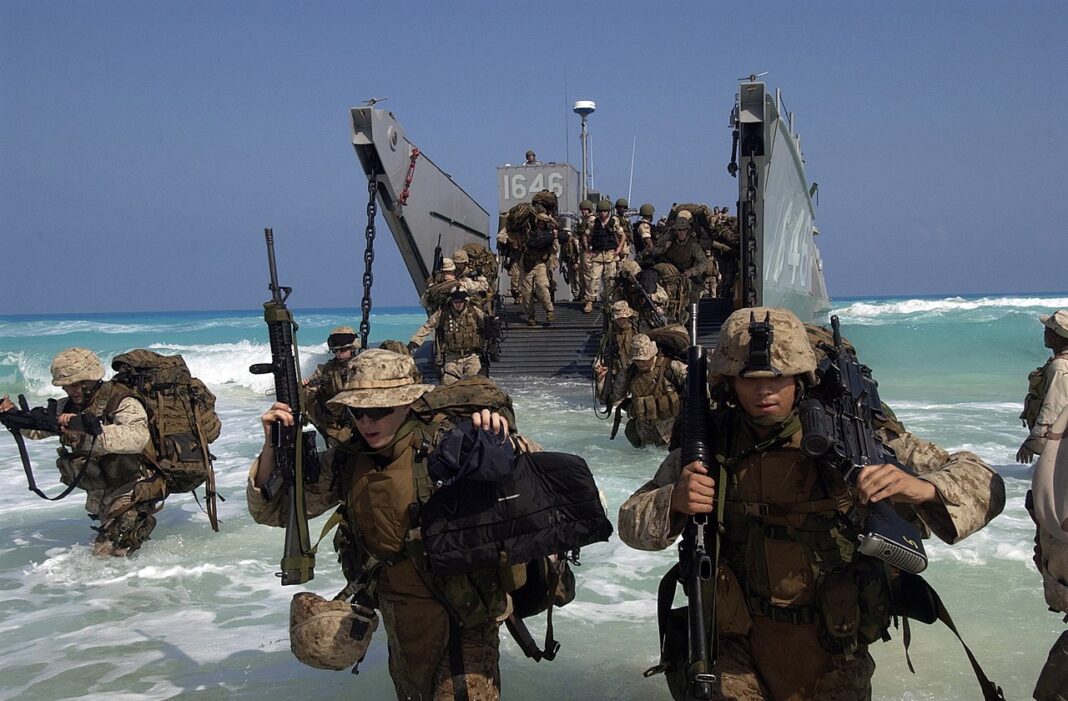
The United States is considering deploying at least 10,000 additional combat troops to the Middle East, signaling a potential escalation in tensions with Iran and raising concerns about a broader regional conflict.
According to senior defense officials, the proposed deployment would significantly increase the American military footprint in the region and could mark a shift toward preparing for possible ground operations inside Iran.
Military Build-Up Accelerates
Reports indicate that the Pentagon is planning to send a mix of combat troops and armored units, with a final decision expected soon.
These forces would join over 50,000 US personnel already stationed across the Middle East, deployed across air bases, naval fleets, and forward operating positions as part of Operation Epic Fury.
Additional reinforcements are also expected, including:
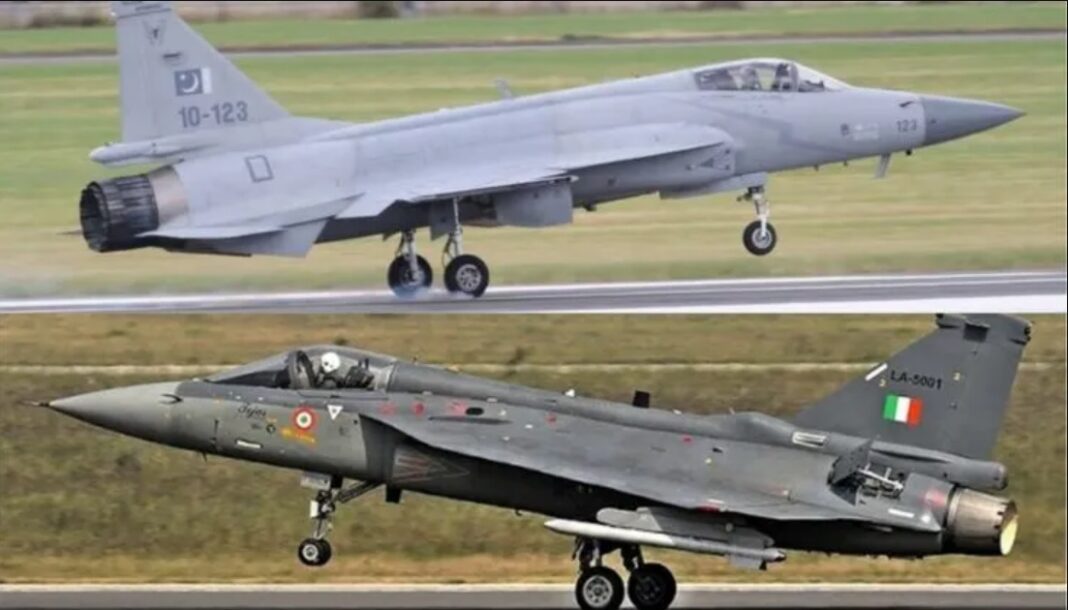
- Fighter jet squadrons
- Support units
- Logistics and rapid-response forces
The scale and speed of the buildup suggest that contingency planning is moving into an advanced phase.
USS Gerald R. Ford Remains Mission Ready
High-resolution imagery shows the USS Gerald R. Ford docked at Souda Bay in Crete.
- The carrier arrived around March 23
- Undergoing maintenance, resupply, and crew rotation
- No visible damage; fully operational
Officials indicate the vessel will return to active deployment after servicing, maintaining US naval readiness in the region.
New Warfare: Drone Speedboats Enter Combat
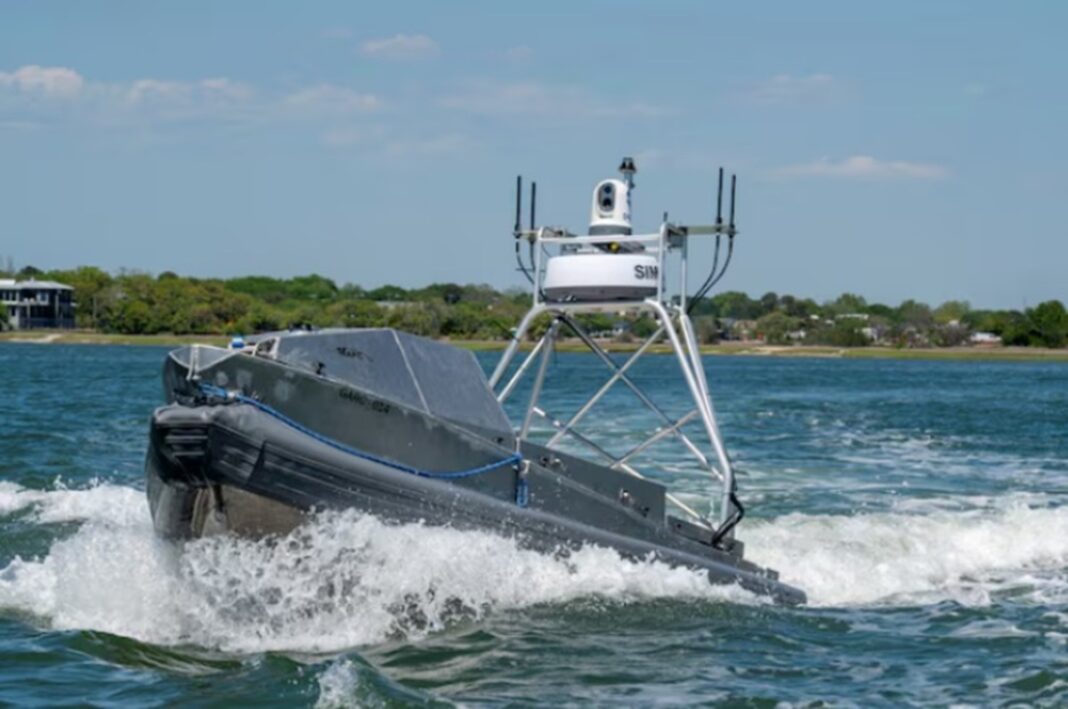
The Pentagon has confirmed the operational use of Global Autonomous Reconnaissance Craft (GARC)—uncrewed drone speedboats—marking a new phase in naval warfare.
Key capabilities:
- Over 450 operational hours logged
- More than 2,200 nautical miles covered
- Roles include surveillance and potential strike missions
This reflects a shift toward autonomous maritime warfare, particularly in contested zones like the Strait of Hormuz.
Ground War Scenarios Under Review
US President Donald J. Trump is reportedly reviewing multiple escalation options if diplomatic efforts fail.
Military planners are evaluating:
- Seizing strategic oil infrastructure
- Targeting nuclear-related facilities
- Capturing key islands in the Persian Gulf
However, officials warn that any ground operation could result in:
- Heavy casualties
- Prolonged conflict
- Regional escalation
Kharg Island: The Strategic Prize

One of the primary targets under discussion is Kharg Island, which handles roughly 90% of Iran’s crude oil exports.
Why it matters:
- Critical to Iran’s economy
- Key revenue source for the IRGC
- Strategic leverage point in the conflict
Some officials believe capturing or disabling the island could severely weaken Iran’s financial and military capabilities.
Expanding the Battlefield: Strait of Hormuz Islands
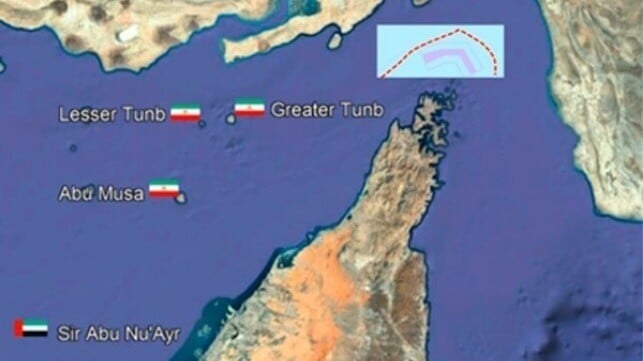
The Pentagon is also considering operations targeting islands near the Strait of Hormuz, including Abu Musa.
Control of these islands could:
- Reduce threats to oil tankers
- Limit Iran’s ability to disrupt shipping
- Strengthen US control over the chokepoint
Iran’s Warning: Regional Retaliation
Iran has signaled that any US ground operation would trigger wider retaliation across the region.
Reports indicate potential targets include:
- Energy infrastructure in the UAE
- Desalination plants
- Power generation facilities
Such actions could expand the conflict beyond Iran and disrupt global energy markets.
High-Stakes Decision Ahead
The White House faces a difficult choice:
- Escalate militarily with uncertain outcomes
- Or continue diplomacy under rising pressure
While military options are being prepared, analysts warn that:
A ground war could spiral into a multi-front regional conflict
Even limited operations may have global economic consequences
Final Analysis
The deployment of 10,000 additional troops signals more than routine reinforcement—it reflects a serious shift toward potential escalation.
Key risks include:
- Disruption of global oil supply
- Expansion into regional warfare
- High human and economic costs
“In the Strait of Hormuz, even a limited conflict can trigger global consequences.”