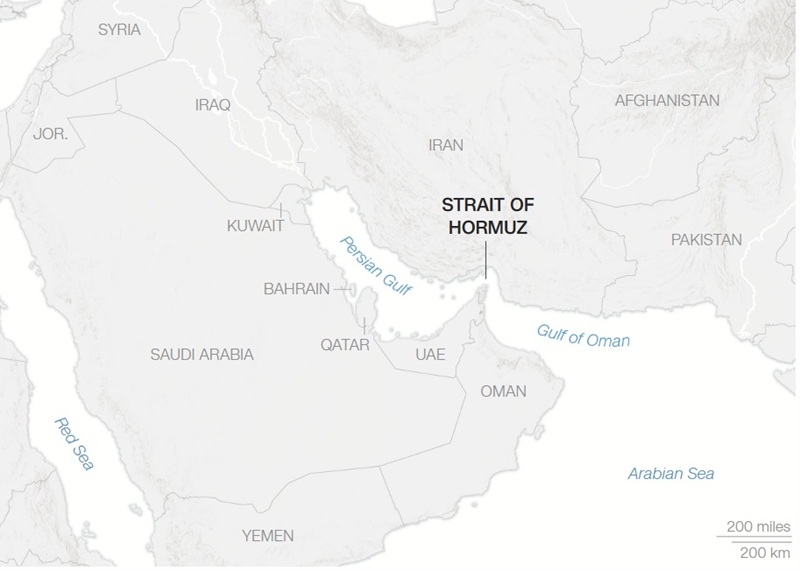
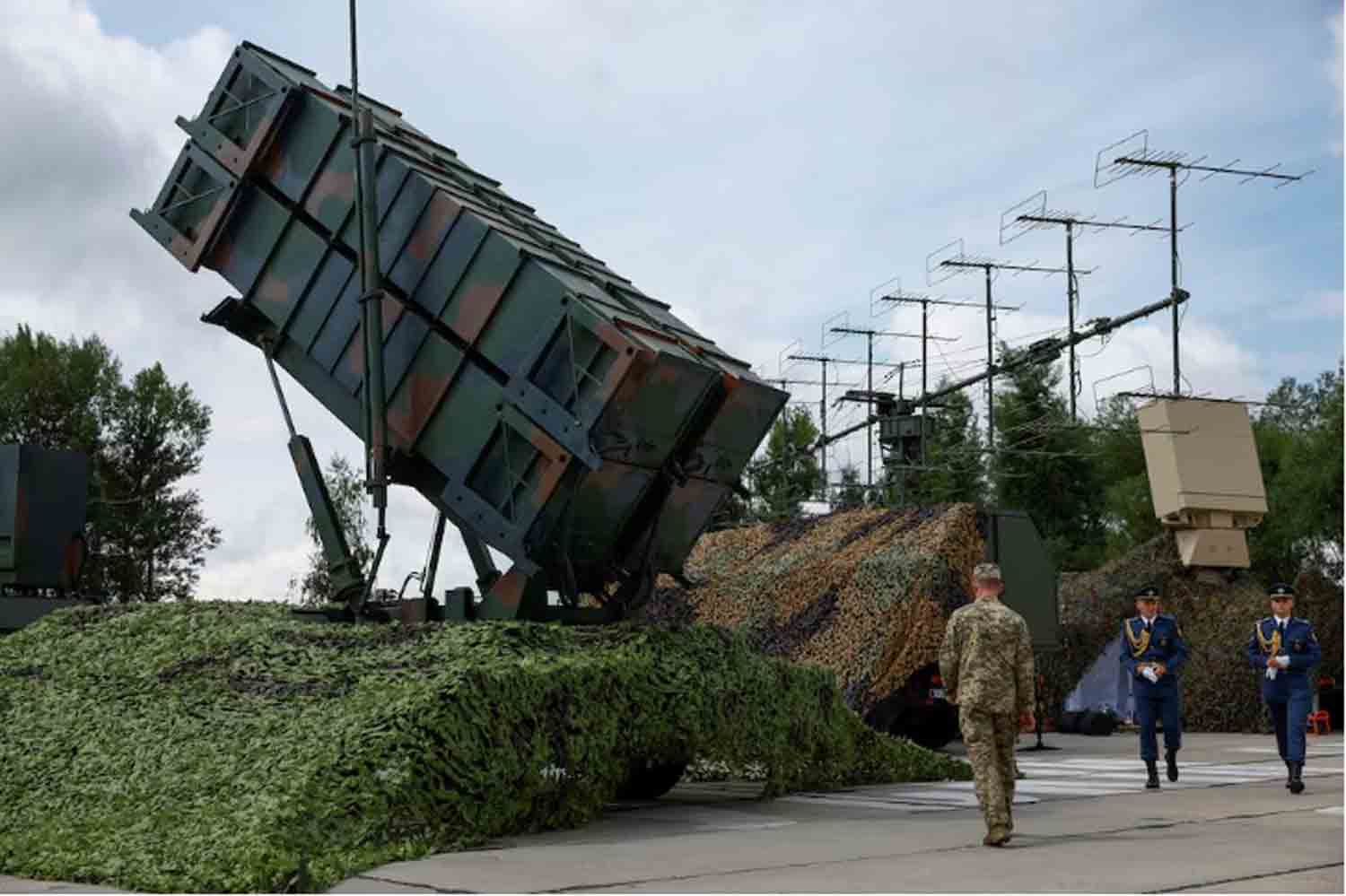
The unfolding conflict involving Iran appears to be following a pattern familiar to military historians and strategic analysts.
Many modern wars begin with rapid military success, followed by unexpected escalation and eventually a broader conflict that few planners initially intended.
Across different eras and regions, similar strategic mechanisms often drive this process.
Understanding these dynamics can help explain how conflicts expand and why early battlefield victories do not always produce political success.
1. The Escalation Trap
One of the most common dynamics in modern warfare is known as the escalation trap.
Conflicts frequently begin with tactical achievements:
- Military infrastructure is destroyed
- Leadership figures are targeted
- Air defenses and weapons systems are degraded
Despite these successes, the opposing state may refuse to concede politically.
When that happens, leaders often face a difficult choice: de-escalate or intensify the campaign.
Many governments choose escalation in the hope that additional pressure will force the opponent to yield.
The result is a cycle in which tactical success leads to deeper involvement rather than a quick victory.
2. The Smart Bomb Trap
Precision-guided weapons have transformed modern warfare, allowing militaries to strike targets with remarkable accuracy.
However, this technological advantage can also create what analysts sometimes call the “smart bomb trap.”
Early strikes may destroy key installations such as:
- Command centers
- Air defense systems
- Missile launch sites
These successes can create the perception that the campaign is under tight control.
But if political objectives remain unmet, the natural response is to expand the list of targets and prolong the air campaign.
Over time, the adversary adapts and begins responding in unexpected ways.
3. Horizontal Escalation
Weaker states often adopt strategies designed to avoid direct confrontation with stronger military powers.
One of the most common approaches is horizontal escalation.
Instead of concentrating solely on the primary battlefield, the weaker side broadens the conflict.
Possible targets may include:
- Regional allies of the opposing coalition
- Maritime shipping routes
- Energy infrastructure
- Economic or political interests far from the main front
The objective is not necessarily to win a direct military engagement but to increase the overall cost of the war for the opposing coalition.
4. Parallel Attack Strategy
Modern air campaigns often rely on a strategy known as parallel attack.
This concept involves striking multiple components of an adversary’s system simultaneously.
Targets may include:
- Command and control networks
- Energy infrastructure
- Transportation systems
- Military logistics hubs
- Air defense networks
The theory is that overwhelming multiple systems at once can produce rapid strategic collapse.
In practice, however, political systems often prove far more resilient than expected.
Even when infrastructure suffers severe damage, governments and institutions may continue functioning.
5. Why Air Power Alone Rarely Topples Governments
Air power has become a central tool of modern military strategy.
Yet history shows that bombing campaigns alone rarely lead to regime change.
Military planners sometimes expect that sustained bombing will cause populations to turn against their governments.
In many cases, the opposite occurs.
When a country faces external attack, public opinion often shifts toward national solidarity rather than political opposition.
Domestic debates about leadership may temporarily fade as the conflict becomes framed as a national struggle against foreign pressure.
Historical Patterns in Modern Conflicts
These strategic dynamics have appeared repeatedly in recent history.
Conflicts such as:
- Vietnam
- Kosovo
- Iraq
all demonstrated how wars that begin with limited objectives can expand due to escalation, adaptation, and political realities.
What It Means for the Iran Conflict
The current confrontation involving Iran shows several of these patterns already emerging.
Early military successes have not automatically produced political concessions, and both sides appear to be exploring ways to expand pressure beyond the initial battlefield.
Understanding the strategic logic behind escalation does not predict the exact outcome of the conflict.
However, it does provide a framework for analyzing how and why wars evolve beyond their original intentions.
As history shows, the dynamics that drive escalation often become clear only after a conflict has already begun to expand.