While the United States continues to dominate high-end military aerospace design, a growing number of non-American fighter aircraft have emerged as credible, highly capable platforms across multiple domains of air combat. These aircraft reflect a more multipolar fighter market, shaped by different operational doctrines, industrial strategies, and export priorities.
Five platforms in particular stand out for their technological ambition and operational relevance: Russia’s Sukhoi Su-57, China’s Chengdu J-20, France’s Dassault Rafale, the multinational Eurofighter Typhoon, and Sweden’s Saab JAS 39 Gripen.
Together, they illustrate how advanced air combat capability is no longer the exclusive domain of U.S. manufacturers.
Su-57: Advanced Design, Limited Scale
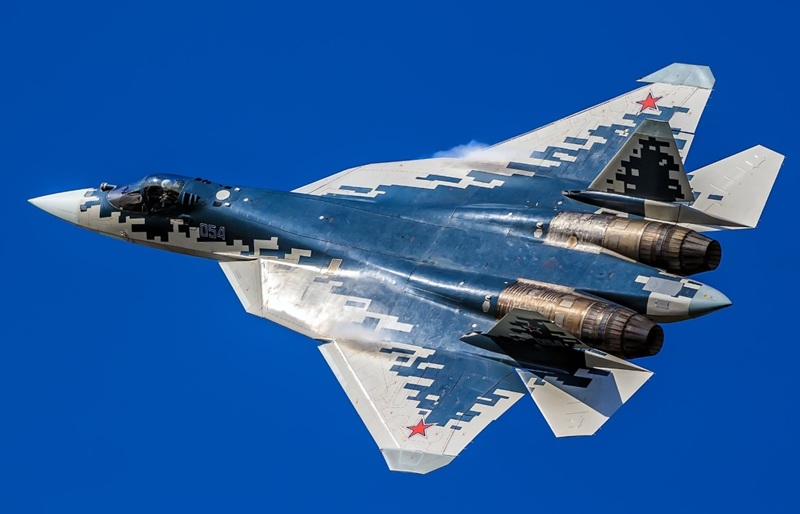
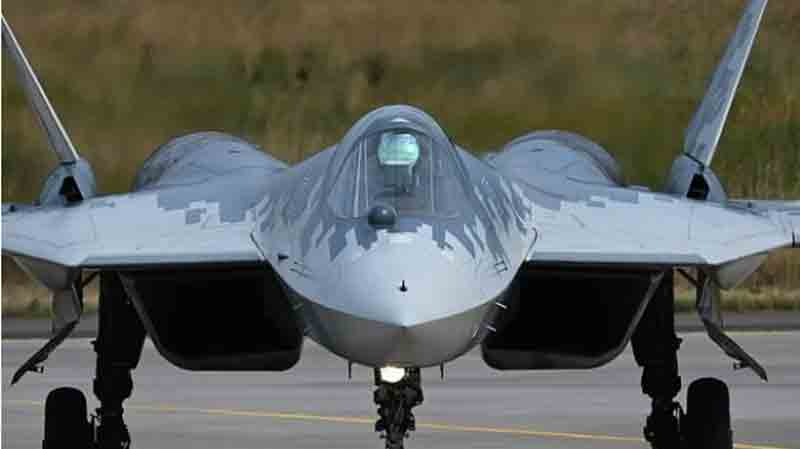
Russia’s Su-57 represents Moscow’s entry into fifth-generation air combat, combining stealth shaping, supercruise potential, and thrust-vectoring for high agility. The aircraft is designed to carry advanced air-to-air weapons internally and support hypersonic missile integration.
However, production constraints and engine development delays have limited fleet size and operational maturity. While the Su-57 has been used in standoff strike roles, its long-term impact will depend less on design ambition and more on sustained industrial output.
J-20: Scale and Strategic Reach
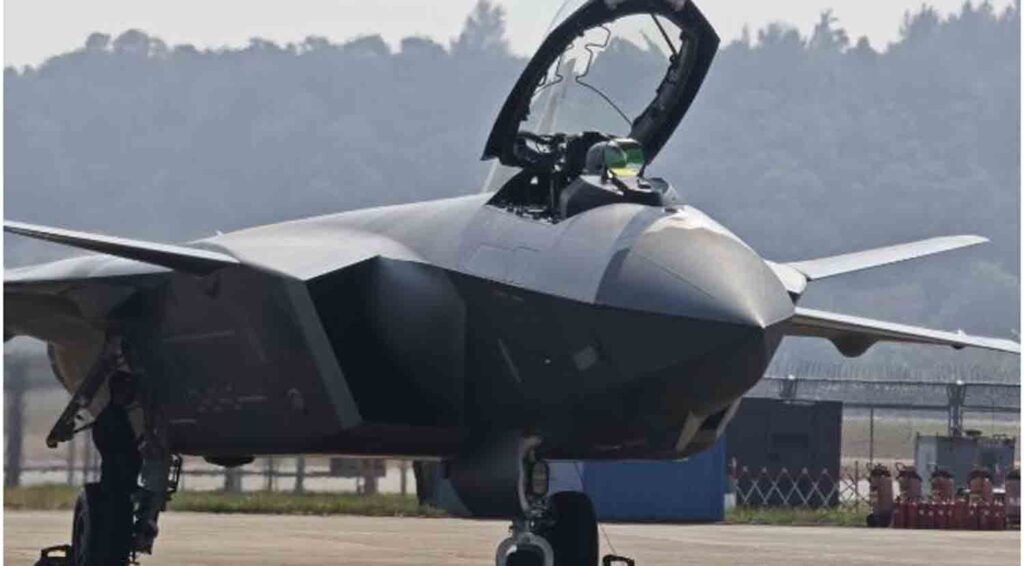
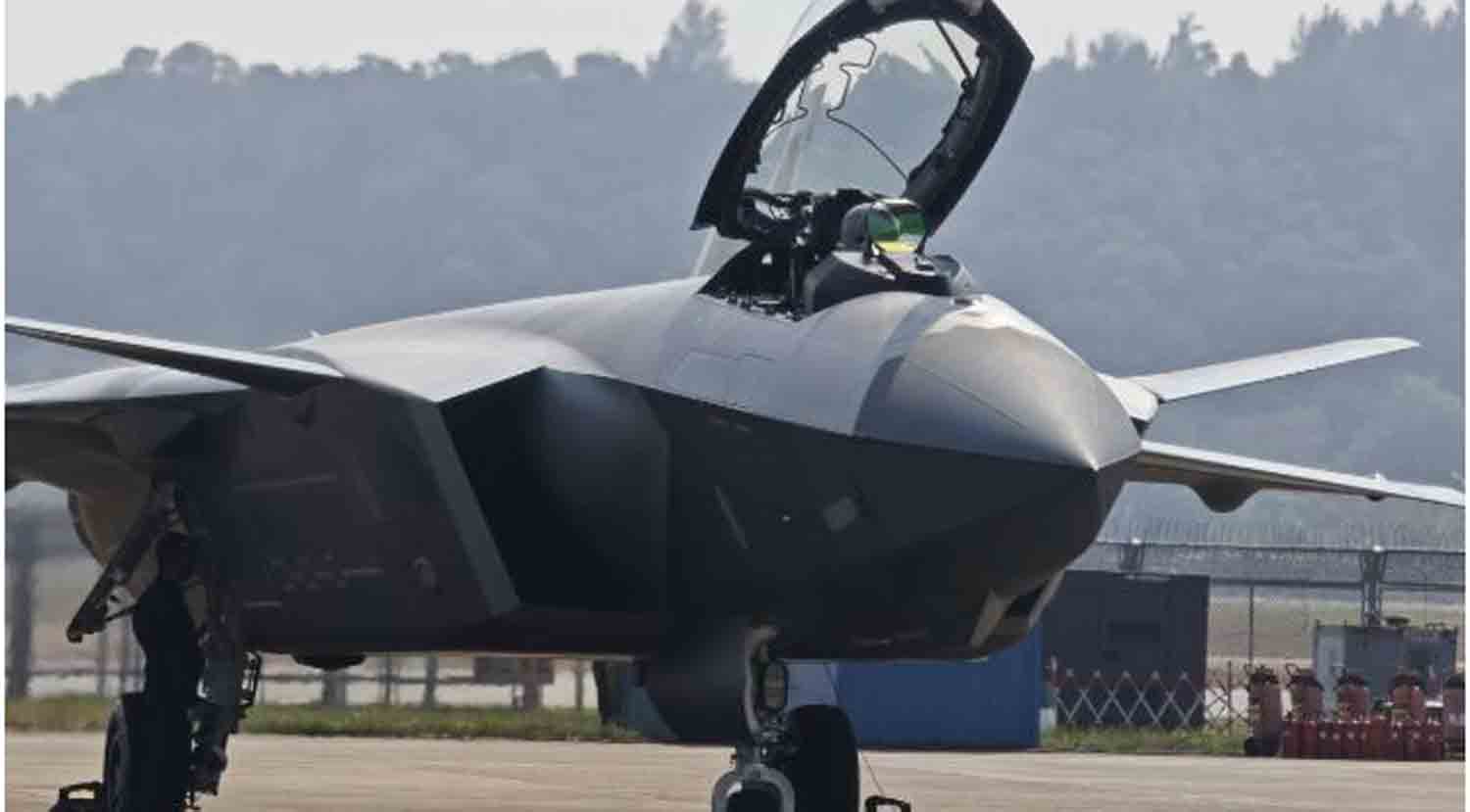
China’s J-20 reflects a different approach: prioritising numbers, range, and persistence. With more than 200 aircraft believed to be operational, the J-20 is now the largest non-American fifth-generation fighter fleet.
Optimised for long-range missions and the targeting of high-value assets such as tankers and airborne command aircraft, the J-20 underlines Beijing’s focus on shaping airpower at the theatre level, even if its stealth characteristics remain debated relative to U.S. counterparts.
Rafale: Versatility Over Specialisation
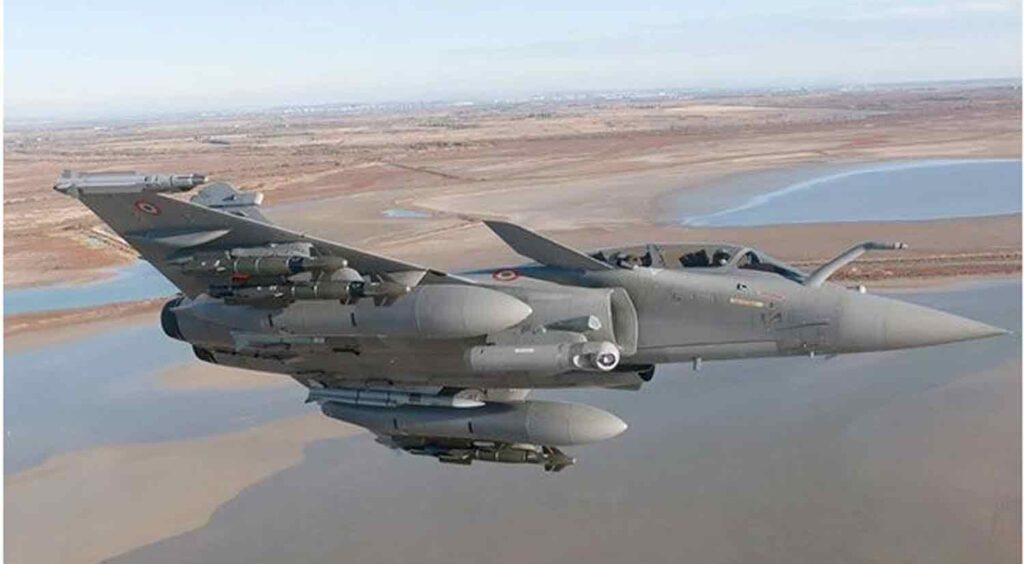
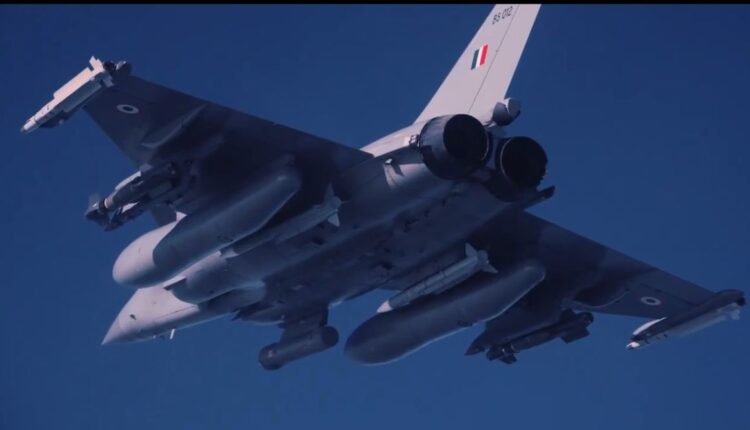
The Rafale stands out not as a stealth aircraft, but as a combat-proven omnirole platform. Its ability to conduct air-to-air, strike, reconnaissance, and nuclear missions within a single sortie has driven sustained export success.
With extensive operational use across multiple conflicts and a growing international user base, Rafale illustrates how versatility, reliability, and political flexibility can outweigh the absence of full fifth-generation stealth for many air forces.
Eurofighter Typhoon: A Long-Term European Backbone
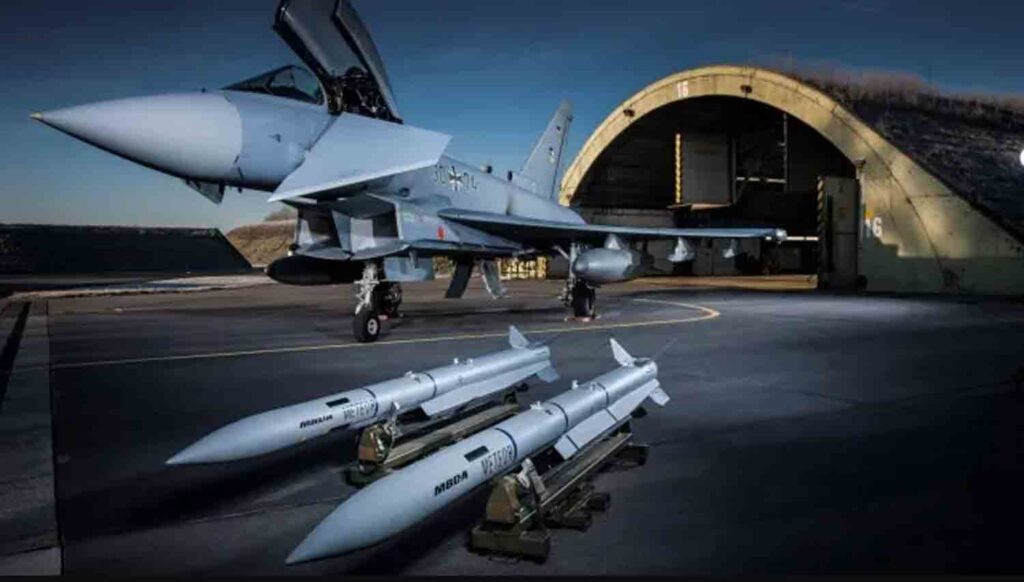
The Eurofighter Typhoon remains central to European air defence, excelling in high-performance air-to-air roles while steadily expanding its strike capabilities through upgrades.
Its modular design and continuous radar, missile, and avionics improvements are intended to keep the aircraft relevant well into the 2040s, acting as a bridge toward future sixth-generation European programmes.
Gripen: Capability at Sustainable Cost
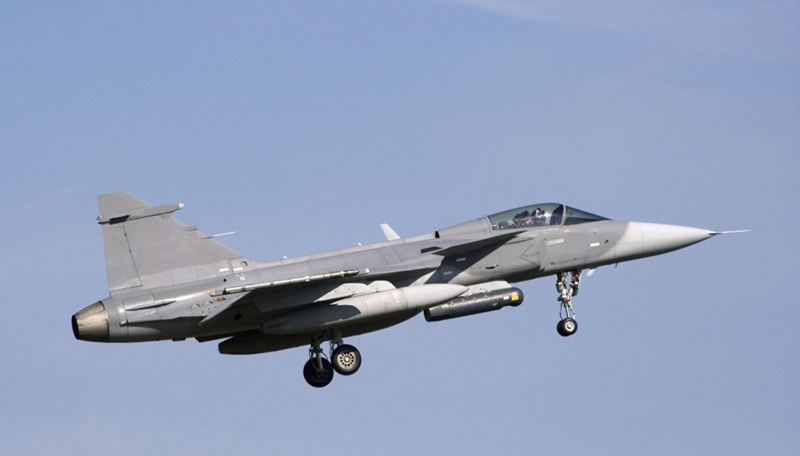
Sweden’s Gripen E represents a different value proposition: advanced sensors, electronic warfare, and networked combat capability at significantly lower cost and logistical burden.
Designed for dispersed operations and rapid turnaround, Gripen appeals to air forces seeking credible deterrence without dependence on large support infrastructures, demonstrating that survivability is not solely a function of size or stealth.
What the Market Is Really Saying
The success of these platforms highlights several underlying trends:
- Strategic autonomy is increasingly valued over alliance-locked supply chains
- Technology transfer and industrial participation influence procurement as much as raw performance
- Combat-proven systems often outperform theoretical advantages in buyer decisions
- Cost, sustainment, and availability matter as much as stealth or speed
While U.S. aircraft such as the F-35 retain clear advantages in sensor fusion and networking, non-American fighters have carved out durable niches by offering tailored solutions rather than universal dominance.
Looking Ahead
As sixth-generation programmes advance in the U.S., Europe, and Asia, competition will increasingly centre on manned-unmanned teaming, AI-assisted decision-making, and network resilience rather than platform performance alone.
The rise of capable non-American fighters does not displace U.S. leadership—but it does confirm that airpower is now a diversified, competitive domain, where effectiveness depends as much on doctrine and integration as on technological edge.