Iran is no longer the same strategic actor it was before the June Israeli strike.
The confrontation has left lasting effects on Tehran’s threat perception, decision-making process, and military posture. What has changed is not just Iran’s tactics, but the way the Iranian system now interprets risk, deterrence, and survival.
Before June, Iran believed it could balance confrontation with diplomacy. After the strike, that assumption has weakened. The cumulative pressure of military action, internal strain, and regional instability has reshaped Tehran’s strategic outlook.
Key Strategic Shifts in Iran Since June
Diplomacy No Longer Seen as a Shield
Iran has absorbed a critical lesson: negotiations do not guarantee protection. Diplomatic engagement is no longer viewed as an implicit deterrent against military action by Israel or the United States. This realization narrows Iran’s perceived options and increases reliance on hard power.
Greater Focus on Concealment and Fortification
Tehran has intensified efforts to harden and disperse strategic assets. Underground facilities, redundancy, and survivability now dominate planning. The priority is not expansion, but endurance under sustained pressure.
Doubts About Limited Responses
Symbolic or carefully calibrated retaliation is increasingly viewed as ineffective. Iranian planners appear less confident that restrained responses can restore deterrence, particularly against U.S. power projection in the region.
Stronger Regime Survival Mindset
The Iranian leadership seems to believe it is operating under existential pressure. When a system shifts into survival mode, escalation thresholds tend to fall. Decisions become faster, risk tolerance increases, and responses may turn sharper.
Rising Confidence in Missile Deterrence
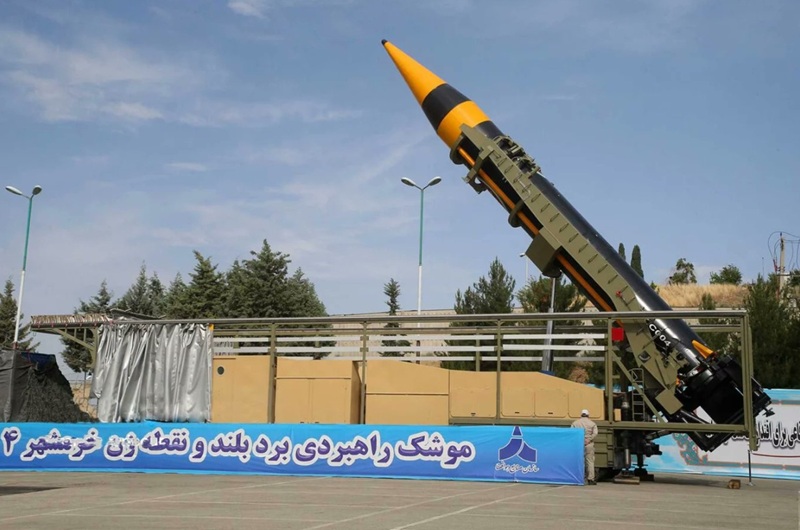
Iran has drawn confidence from the psychological and strategic impact of its missile arsenal. The ability to impose costs on Israel and U.S. regional assets now plays a larger role in Tehran’s deterrence calculations.
Rapid Lessons-Learned Cycle
Iran is actively refining its command continuity, decision resilience, and force employment based on previous engagements. Institutional learning has accelerated, particularly around crisis management and leadership dispersion.
Conflict Framed as Part of a Larger War
Tehran does not see recent events as isolated. Instead, they are framed as an extension of the “12-Day War” and subsequent internal unrest. From Iran’s perspective, this represents a coordinated Western campaign — a view that raises the likelihood of forceful action to demonstrate resolve.
High Probability of Regional, Horizontal Escalation
If confrontation widens, Iran is likely to open multiple fronts to dilute U.S. focus. Yemen stands out as the most immediate arena. The Houthis have already shown the ability to threaten maritime routes and U.S.-linked assets, making their activation highly likely. Iraq also remains vulnerable, with Iran-aligned militias capable of rapid escalation. This strategy aligns with the regional confrontation model long articulated by علی خامنہ ای.
What This Means Going Forward
Iran remains weaker by conventional military standards. But its objective is not battlefield dominance — it is avoiding strategic defeat. That distinction matters. When deterrence credibility is perceived to be on the line, even weaker actors may choose disproportionate escalation.
Iran today is more prepared, more pressured, and more inclined to believe that decisive action — not restraint — is the only path to restoring deterrence.
That shift raises the risk profile of any future confrontation across the Middle East.