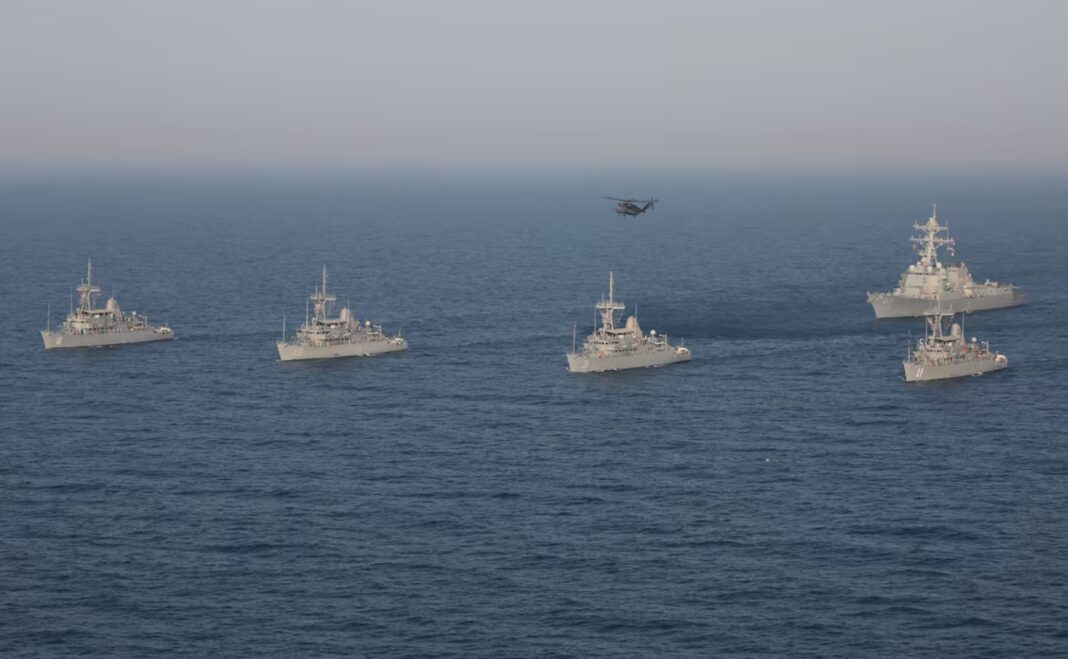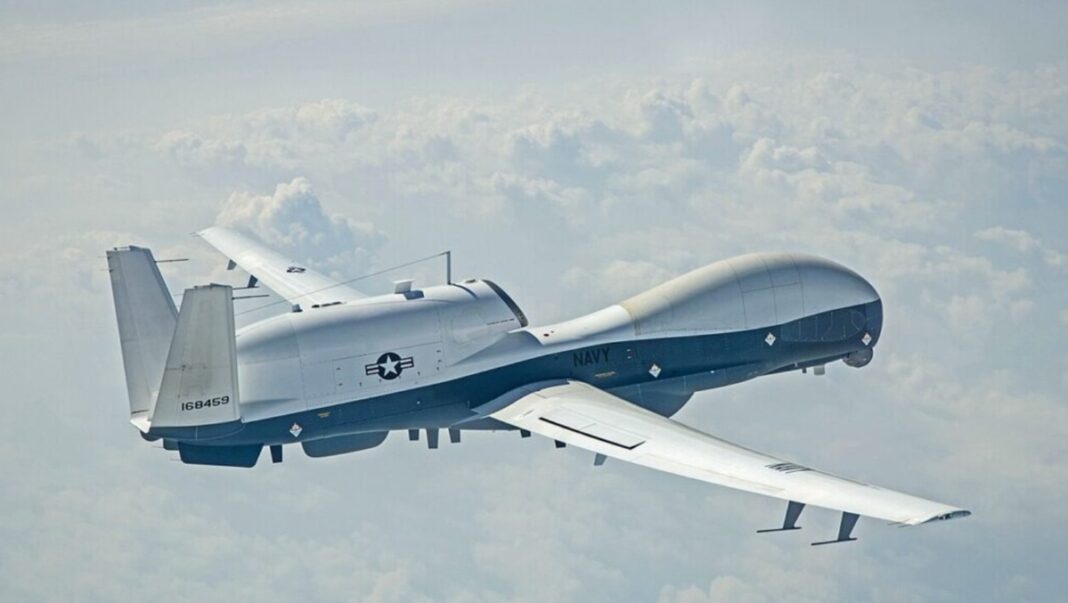
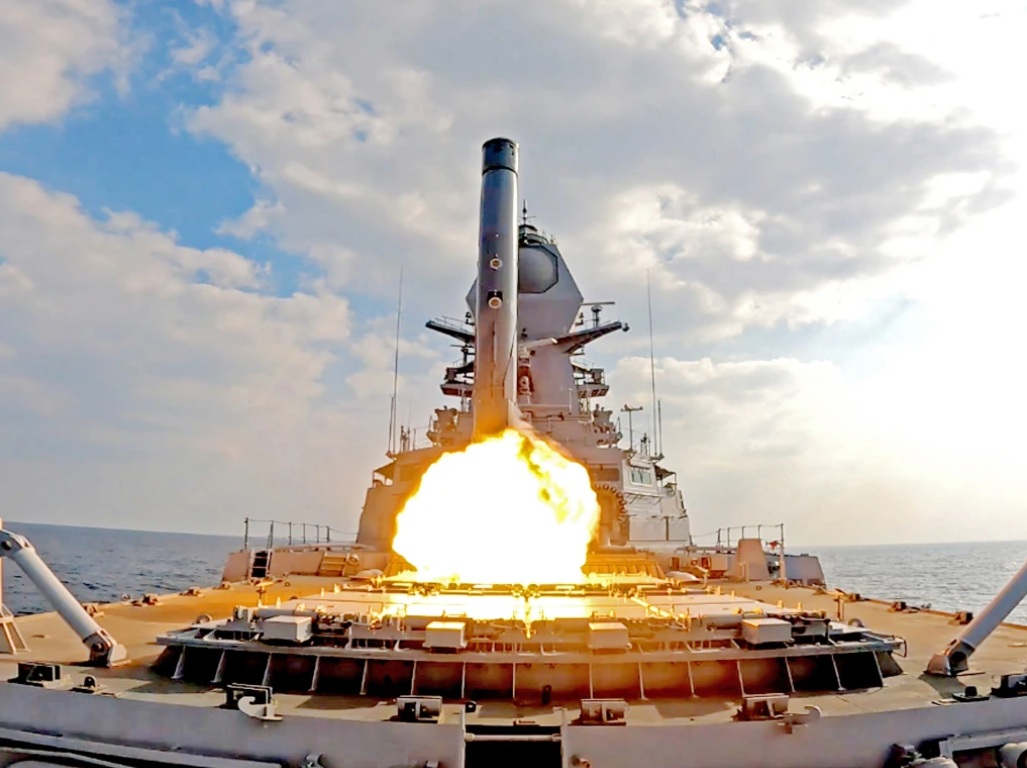
The Indian Navy has declared a large exclusion zone in the Arabian Sea for a four-day missile firing and naval aviation exercise, just days after Pakistan conducted a live-fire test of its SMASH anti-ship ballistic missile.
🇮🇳India has issued a NOTAM for an Indian Navy aircraft and ship live-firing exercise in the Arabian Sea.
The exercise will be conducted from 22 April 2026, 09:30 IST until 25 April 2026, 21:30 IST, with a vertical limit from surface to 30,000 ft.#India #IndianNavy… pic.twitter.com/QaBsPYHo4o
— South Asia IntelWire (@SouthAsiaIntel) April 16, 2026
The timing has intensified regional tensions, turning what began as a single missile test into a broader maritime confrontation between South Asia’s nuclear-armed rivals.

India’s NOTAM (Notice to Airmen) establishes a restricted zone extending roughly 400 kilometers offshore, covering key waters near its western coastline.
Pakistan’s SMASH Missile Test Sparks Strategic Response
The escalation follows Pakistan’s recent test of the SMASH anti-ship ballistic missile, designed to target high-value naval assets such as:
- aircraft carriers
- destroyers
- logistics vessels
Pakistan’s naval chief, Admiral Naveed Ashraf, personally observed the launch, signaling Islamabad’s intent to present the system as a credible asymmetric deterrent.
Unlike traditional anti-ship cruise missiles, ballistic missiles travel at high speeds and follow steep trajectories, reducing reaction time for naval defenses.
INS Dhruv Deployment Highlights Intelligence Dimension
India’s most significant response may not have been the exercise itself, but the early deployment of INS Dhruv, its specialized missile-tracking and surveillance vessel.
The ship was reportedly positioned in international waters before Pakistan’s test window concluded.

INS Dhruv carries advanced:
- telemetry receivers
- AESA radar systems
- electronic intelligence sensors
This allowed India to potentially collect critical data on:
- missile trajectory
- radar signatures
- guidance systems
- electronic emissions
Such intelligence could strengthen India’s missile defense and interception capabilities.
Arabian Sea Emerging as Strategic Battlespace
The latest developments highlight a broader shift.
The Arabian Sea is increasingly becoming a frontline strategic domain for India-Pakistan competition.
Traditionally, rivalry between the two countries was concentrated along:
- land borders
- airspace
Now, maritime competition is growing due to:
- sea lane security
- energy routes
- naval modernization
- missile deployment
This shift has major implications because the region contains vital global shipping and energy corridors.
Exercise Signals Escalation Control and Deterrence
India’s exercise, scheduled from April 22 to 25, appears designed to demonstrate:
- combat readiness
- maritime surveillance capability
- missile and aviation integration
- blue-water naval power
The exclusion zone extends from sea level to 30,000 feet, indicating coordination between naval aviation and surface forces.
Despite the scale, Indian officials have described the exercise as routine.
Pakistan has similarly framed its missile test as a standard demonstration of indigenous capability.
Yet the sequence of events creates a clear pattern:
Pakistan tests offensive capability → India collects intelligence → India responds with larger-scale exercise
Asymmetric Strategy vs Naval Dominance
The underlying strategic logic reflects an imbalance.
India maintains a larger and more capable navy.
Pakistan, with a smaller fleet, is increasingly relying on asymmetric systems like anti-ship ballistic missiles to counter that advantage.
Such systems can:
- threaten high-value targets
- force naval dispersion
- increase operational risk
- complicate carrier operations
This creates a cost imbalance where relatively cheaper missiles can challenge billion-dollar warships.
A Managed but Dangerous Rivalry
Despite rising tensions, both sides appear to be managing escalation carefully.
The use of NOTAMs and maritime warnings allows both countries to:
- avoid accidental conflict
- signal military capability
- maintain deterrence
- operate below the nuclear threshold
However, the frequency and scale of such activities are increasing.
The Arabian Sea is now emerging as a critical theater for future India-Pakistan crises.