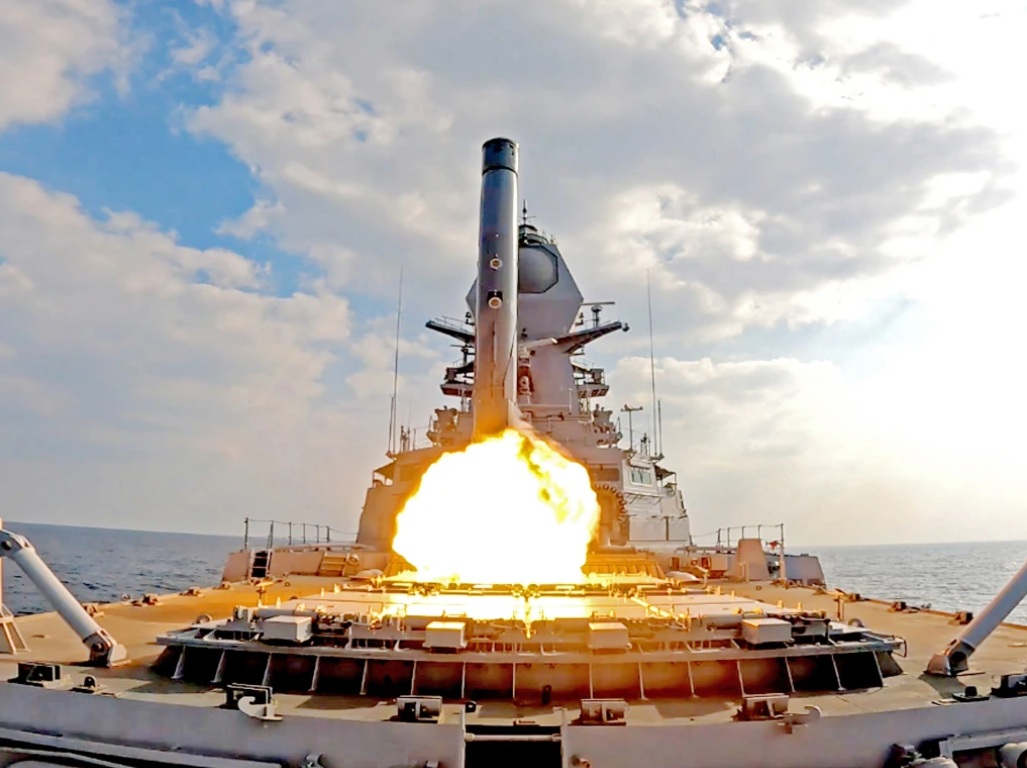
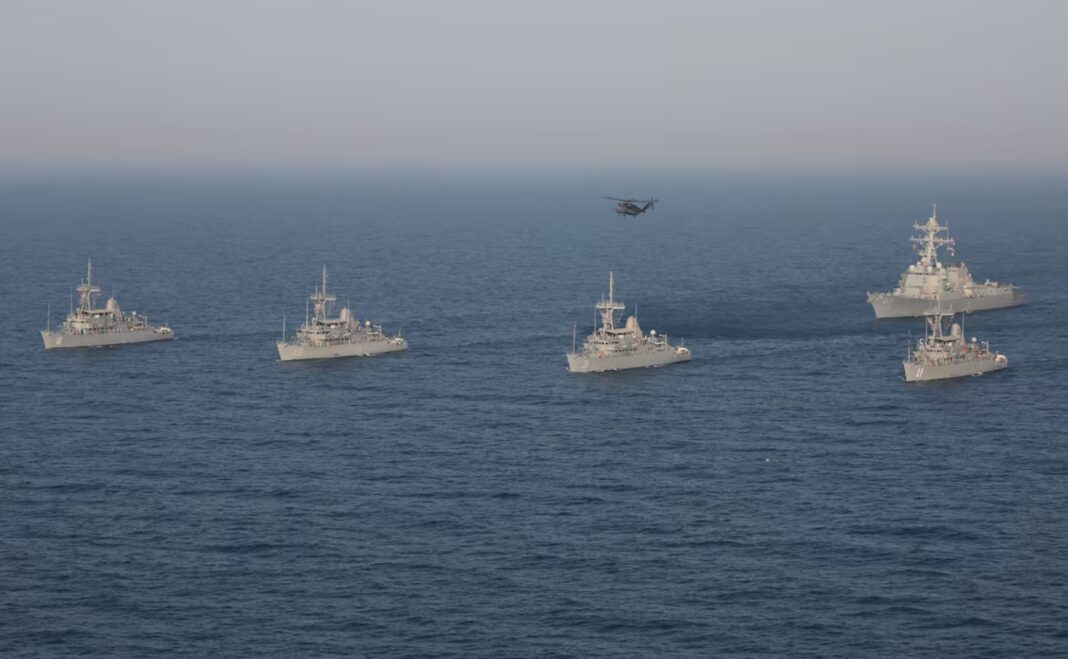
The United States has begun a complex and high-risk mine-clearing operation in the Strait of Hormuz, deploying warships, underwater drones, and explosive-laden robotic systems to restore safe navigation through one of the world’s most critical energy chokepoints.
The operation comes after Iran’s mining activity severely disrupted shipping and global oil flows following the escalation that began after U.S. and Israeli strikes in late February.

According to the report, the U.S. military has already sent two warships through the strait, while additional forces, including underwater drones, are expected to join the effort in the coming days.
Why Mine Warfare Is So Dangerous
Naval mines remain one of the most effective and low-cost maritime weapons.
As retired British Rear Admiral Jon Pentreath noted, even the threat of a minefield can halt commercial shipping.
This is especially dangerous in the Strait of Hormuz, through which roughly 20% of global oil shipments pass.
Because mines are cheap to deploy but expensive and time-consuming to remove, they create disproportionate strategic pressure.

The report states that Iran may have deployed around a dozen mines, although their exact locations remain unknown.
Drones and Robots Leading the Operation
Unlike older mine-clearing missions that relied on manned minesweepers entering the danger zone, the U.S. Navy is now increasingly using unmanned and semi-autonomous systems.
These include:
- unmanned surface vessels
- underwater drones
- sonar-equipped robots
- helicopter mine-hunting systems
- remotely operated explosive devices
One system that may be used is the Archerfish, a torpedo-shaped remotely operated robot built by BAE Systems.
The device transmits live video back to operators and carries an explosive charge to destroy detected mines.
This allows crews to remain outside the immediate danger zone.
How the Mine-Clearing Process Works
The operation is expected to be slow and multi-stage.
The typical sequence involves:
- detection using sonar-equipped drones
- identification by remote crews
- classification of the device type
- neutralization or detonation
The report notes that Iran may possess several types of maritime mines, including:
- bottom mines
- tethered mines
- drifting mines
- limpet mines
Each requires a different response method.
This is why clearing the waterway may take two to three weeks, according to retired U.S. naval officer Bryan Clark.
Iranian Attack Risk Remains a Major Concern
One of the biggest risks is that mine-clearing crews and unmanned systems could themselves become targets.
Iran may still retain the ability to deploy additional mines or attack the operation with:
- drones
- fast boats
- coastal missile systems
- naval assets
This means the U.S. may need to deploy defensive layers, including:
- escort warships
- surveillance drones
- airborne overwatch
to protect the clearance effort.
This vulnerability is one reason naval mine warfare remains strategically effective.
AI and New Technology Could Change Future Operations
The report also highlights new technologies designed to accelerate mine-clearing missions.
Thales says its latest sonar can scan suspected mines from three angles in one pass, significantly reducing search time.
Artificial intelligence is also improving onboard data analysis for unmanned vessels.
Longer term, navies are working toward fully autonomous mine-hunting swarms capable of searching, identifying, and destroying mines in a single process.
However, experts note that this capability does not yet fully exist operationally.
Global Market Impact
The strategic significance goes far beyond military operations.
Any delay in reopening Hormuz directly affects:
- global oil prices
- LNG shipments
- shipping insurance
- inflation risk
This makes the operation critical not only for regional security but for the wider global economy.