Monday, April 6, 2026
Home Blog Page 149

Limited number of aircraft and reduced flight operations are hindering the training of US Army pilots

0

According to a government report, U.S. Army helicopter crews are currently flying only one-third of the hours they logged at the height of operations over the past two decades, coinciding with a 20% reduction in the number of manned aircraft.

The report also highlighted an increase in aircraft availability, attributed to a younger fleet. These findings from the Congressional Budget Office, which document the Army’s aircraft utilization, are based on aviation data spanning from 2000 to 2023.

In 2011, the Army experienced its highest average flying hours for manned aircraft, predominantly helicopters, with crews averaging 302 hours annually.

By 2023, this figure had decreased by over one-third to 198 hours. Conversely, the report indicates that the availability of aircraft for training and operations has improved over the same timeframe. In 2000, just over 50% of manned aircraft were mission-capable, but this figure has consistently remained above 60% since 2007, reaching 68% last year.

The authors of the report attribute much of the previous increase in flight hours to overseas operations in Iraq and Afghanistan, which saw a subsequent decline in hours as these conflicts de-escalated.

Army Times reported that the service is currently revamping its aircrew training to address emerging threats, enhanced aircraft capabilities, and a concerning mishap rate.

Since October, 10 soldiers have lost their lives in 14 Class A mishaps, resulting in a mishap rate of 3.22 per 100,000 flight hours—double the annual average since 2011, which aligns with the conclusion of the Iraq War.

During this same period, while the number of manned aircraft has decreased, the Army has seen an increase in unmanned aircraft, or drones. In 2000, the Army operated nearly 5,000 manned aircraft, but this number has dwindled to approximately 3,900 as of last year.

The counts of AH-64 Apache and H-47 Chinook helicopters have remained relatively stable, with around 600 and 500 units, respectively, throughout this timeframe.

US Army places significant emphasis on investments in drone technology and electronic warfare capabilities

0

The U.S. Army is set to request more adaptable funding for unmanned aircraft systems, countermeasures, and electronic warfare tools in its upcoming budget, drawing insights from Ukraine’s experience in its conflict with Russia, as stated by Secretary Christine Wormuth.

“There are specific areas where [Gen. Randy George], the Army’s chief of staff, and I believe we must enhance our investment, not only for the Army’s needs but also for the joint force, particularly in unmanned aerial systems, counter-unmanned aerial systems, and electronic warfare,” she remarked during the Defense News Conference on Wednesday.

For example, a battalion commander from Ukraine informed Wormuth earlier this year during training in Germany that Russian electronic warfare capabilities were escalating in “concerning” ways, she noted. “You will see this reflected in the budget presented to Congress next spring,” Wormuth indicated. “We need greater flexibility in our funding strategies because the technology in these areas is evolving so quickly that we cannot afford to be restricted to a single approach for the next decade.”

Both Wormuth and George have explored alternative budgeting methods to expedite the delivery of capabilities to soldiers. One option includes requesting Congress to allocate funds specifically for certain capabilities instead of distributing budgets across multiple line items tied to specific products or programs.

However, they also recognize that gaining the support of congressional appropriators may prove challenging.

“Historically, they tend to be quite skeptical of what they perceive as slush funds. They have considerable apprehension regarding [overseas contingency operations] and how the department has utilized those funds over the years,” Wormuth explained. Nonetheless, “there is a profound understanding.

Wagner experienced a loss of seasoned fighters in an ambush in Mali, marking a setback for Russia’s operations in Africa

0

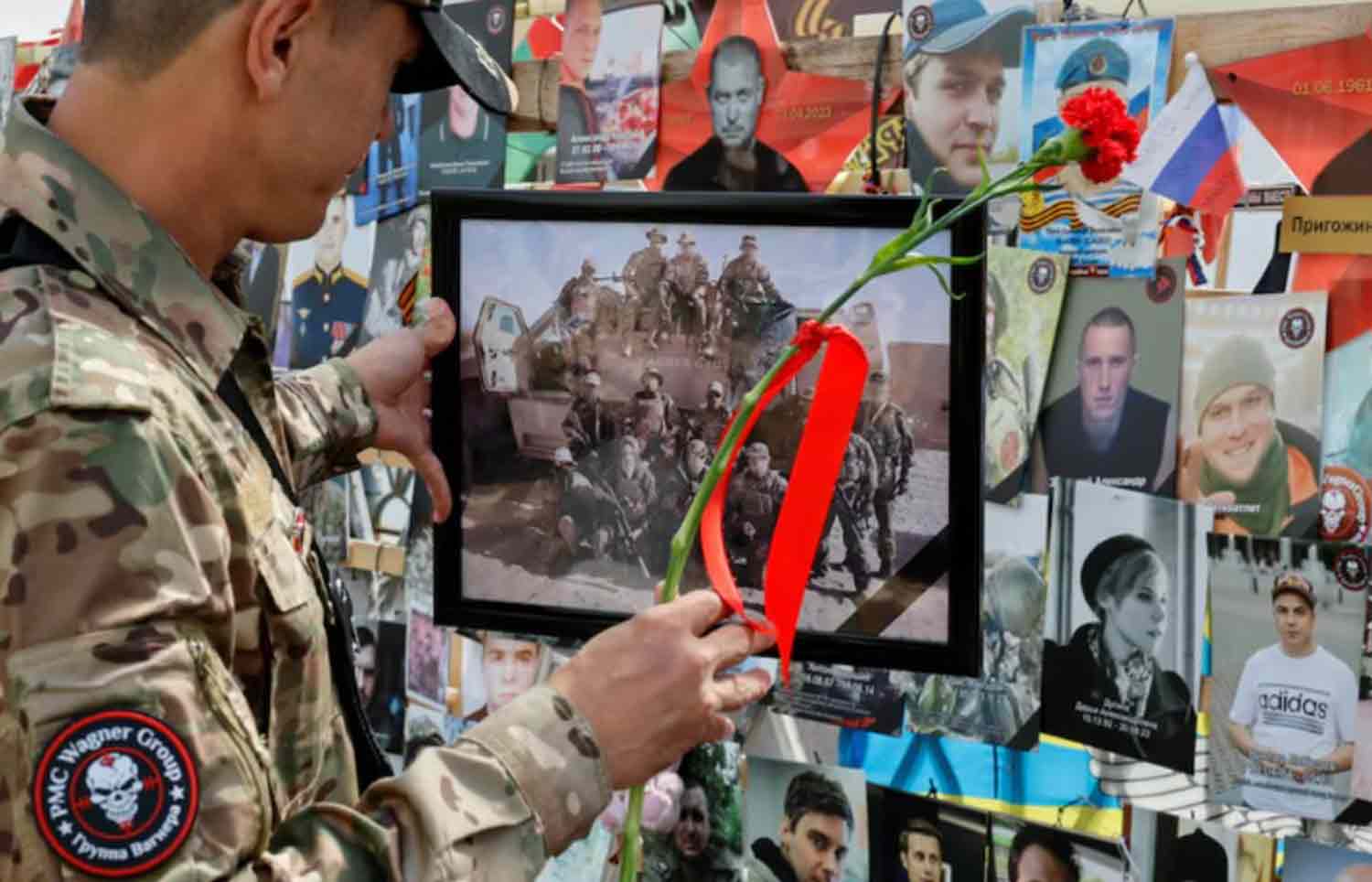
Among the numerous Wagner mercenaries believed to have perished in a deadly confrontation with Tuareg rebels during a sandstorm in Mali last July were Russian veterans who had previously served in Ukraine, Libya, and Syria, as revealed through interviews with family members and an analysis of social media activity.

The loss of such seasoned combatants highlights the risks faced by Russian mercenary groups operating under military juntas, which are grappling with separatist movements and formidable factions of Islamic State and Al Qaeda throughout the arid Sahel region encompassing Mali, Burkina Faso, and Niger.

The defeat in Mali raises concerns about whether Moscow, which has acknowledged its financial support for Wagner and has integrated many of its fighters into a defense ministry unit, can achieve better outcomes than the Western and U.N. forces that were recently ousted by the juntas, according to insights from six officials and experts familiar with the area.

By correlating publicly available information with social media posts from relatives and fighters, interviewing seven family members, and employing facial recognition technology to analyze verified battlefield footage, Reuters was able to identify 23 fighters as missing in action and two others captured by Tuareg forces following the ambush near Tinzaouaten, a town bordering Algeria.

Several of these individuals had endured the siege of Bakhmut in Ukraine, which Wagner’s late founder, Yevgeny Prigozhin, famously described as a “meat grinder.” Others had served in Libya, Syria, and various other locations.

Some were former Russian military personnel, including at least one who had retired after a lengthy career. Disturbing images of deceased fighters have circulated online, and some relatives informed Reuters that the remains of their loved ones had been left in the desert.

Reuters was unable to verify the number of identified individuals who were confirmed dead.

Margarita Goncharova recounted that her son, Vadim Evsiukov, 31, was initially recruited while serving a drug-related sentence in prison in 2022. He advanced through the ranks in Ukraine to command a platoon of 500 men, according to her account. Upon returning home, he took up work as a tailor but faced challenges with survivor’s guilt.