Saturday, April 4, 2026
Home Blog

US Launches Rescue Operation in Southern Iran After Reports of Downed F-15E Strike Eagle

0

The United States Air Force has reportedly deployed multiple Sikorsky MH-60G Pave Hawk combat search and rescue helicopters to southern Iran, as a major recovery mission appears to be underway following reports of a downed McDonnell Douglas F-15E Strike Eagle.
According to circulating reports, US Air Force helicopters and fixed-wing aircraft have been seen operating over Chaharmahal and Bakhtiari Province and nearby Kohgiluyeh and Boyer-Ahmad Province in southern Iran.

The reported mission is believed to be focused on locating and extracting the crew of an F-15E that allegedly crashed earlier in the day.

At the time of publication, these reports remain unconfirmed by official US or Iranian authorities.

MH-60G and HC-130J Aircraft Reportedly Spotted

A MH-60G Pave Hawk Combat Search and Rescue (CSAR) helicopter was reportedly spotted this morning over the Kohgiluyeh and Boyer-Ahmad area.

In addition, video footage reportedly filmed by residents appears to show a Lockheed Martin HC-130J Combat King II flying low over southern Iran.

The HC-130J is a dedicated combat rescue support aircraft commonly used in personnel recovery missions.

Its reported presence strongly suggests that combat search and rescue operations may be underway.

Additional reports indicate that Lockheed Martin F-35 Lightning II fighters and General Atomics MQ-9 Reaper drones have also been seen operating in the area, possibly providing air cover and ISR support.

Search Focused on Southern Iran Provinces

The search is reportedly concentrated across:

  • Chaharmahal and Bakhtiari
  • Kohgiluyeh and Boyer-Ahmad
  • southwest Iran operational corridors

These regions are now reportedly being searched intensively as the recovery effort continues.

The terrain in these provinces is mountainous and difficult, which could complicate both aerial surveillance and ground extraction.

“Black Hawk Down” Reports Still Unconfirmed

Separate and highly fragmented reports are now circulating on Iraqi channels claiming that a Sikorsky UH-60 Black Hawk helicopter may also have been shot down.

Video footage reportedly shows a smoke plume allegedly linked to a downed helicopter.

However, these claims remain unconfirmed and highly murky.

No official evidence has yet been presented to verify whether the aircraft was indeed a Black Hawk or whether it was brought down by Iranian air defenses.

Because details remain fragmented, these reports should be treated with caution.

Reports of Captured F-15E Crew

State-linked Iranian media has reportedly claimed that the pilot and weapons systems officer of the downed F-15E have already been captured.

These claims have not been independently verified.

However, reports indicate that residents in southern Iran have found what appears to be a McDonnell-Douglas ACES II ejection seat, which is used by the F-15E Strike Eagle.

If authentic, this would lend some support to reports that the aircraft crashed and that at least one crew member may have ejected.

The current status and whereabouts of the pilot and weapons officer remain unknown.

There are unconfirmed claims that one or both may have been captured by the Islamic Revolutionary Guard Corps (IRGC).

Situation Still Developing

At this stage, the situation remains fluid.

Key points — including the F-15E crash, the rescue mission, helicopter loss reports, and any captured crew — remain unverified.

The story is likely to evolve rapidly as more official information emerges.

Iran Shoots Down Wing Loong II Drone Near Shiraz, Raising Questions Over Gulf Role in War

1
Iran shoots down Chinese-made Wing Loong II drone near Shiraz

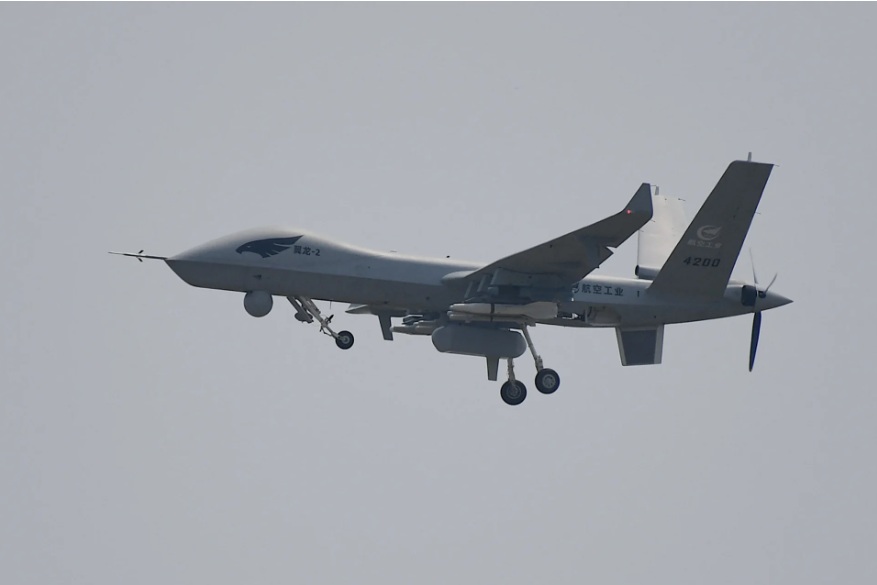
Iran appears to have shot down a CAIG Wing Loong II drone in the southern region of Shiraz, triggering fresh questions among open-source intelligence analysts about whether Gulf states such as Saudi Arabia or the United Arab Emirates may have joined offensive operations against Tehran.

According to reports, images of the destroyed drone were first shared by Tasnim News Agency, which initially identified the aircraft as an American General Atomics MQ-9 Reaper.

Image

However, multiple open-source intelligence analysts later suggested that the wreckage more closely matches a Chinese Wing Loong II drone, a platform often compared to the MQ-9 Reaper.

The identification has not been independently verified at the time of publication.

OSINT Analysts Point to Chinese Drone Platform

The Wing Loong II is a Chinese-made medium-altitude long-endurance combat drone widely used by several countries in the Middle East.

While United States and Israel are not known to operate this platform, both Saudi Arabia and the UAE are known to have it in their arsenals.

Image

This has led analysts to raise questions over whether one of the Gulf states may have been involved in operations linked to the conflict with Iran.

The report notes that Middle East Eye could not independently confirm the OSINT assessment, though the identification was later echoed by Tehran Times.

Iran’s Own Chinese Drone Supplies Different

Earlier reports had indicated that Iran had received drones from China shortly before the US-Israeli attack on 28 February.

However, according to regional intelligence sources cited in the draft, those deliveries reportedly involved kamikaze drones, not reusable combat drones such as the Wing Loong II.

This distinction is strategically important.

The Wing Loong II is a reusable strike and surveillance platform, while kamikaze drones are designed for one-way missions.

Defense analyst Nicole Grajewski, author of Russia and Iran: Partners in Defiance from Syria to Ukraine, is cited as saying that Iran does not possess the Wing Loong drone in its arsenal.

This strengthens speculation that the aircraft may have originated from an external operator.

Focus Turns to Saudi Arabia and UAE

Because neither the US nor Israel is known to field Wing Loong II drones, attention has shifted toward Gulf states.

Both Saudi Arabia and the UAE have previously operated the platform.

Image

If either country was operating the drone over Iranian territory, it would signal a major escalation in their support for offensive operations.

This comes at a time when both states are reportedly under pressure from the Donald Trump administration to support broader regional military action.

Saudi Balancing Act Under Pressure

The draft notes that Saudi Arabia has been trying to carefully balance its position.

While the kingdom opposed the US-Israeli war on Iran, reports suggest it granted Washington expanded access to its airspace and King Fahd Air Base.

This reflects Riyadh’s difficult balancing act between avoiding direct entanglement and maintaining ties with its principal security partner.

The political tension reportedly intensified after Trump’s remarks about Crown Prince Mohammed bin Salman, which were said to have angered officials in Riyadh.

UAE Takes Harder Line on Iran

The UAE is described as taking a more openly assertive posture toward Iran.

According to the draft, Abu Dhabi has lobbied the United Nations to authorize the use of force to regain control of the Strait of Hormuz.

If the drone was indeed operated by the UAE, it would align with a more aggressive regional posture.

Image

At present, however, no official confirmation has been provided by Saudi Arabia, the UAE, Iran, or Western defense authorities.

Iran Claims Second US F-35 Shootdown, But Wreckage Photos Appear to Show an F-15

0

Iran’s reported F-35 shootdown claim has surfaced amid heightened regional tensions, with Tehran asserting that its air defenses downed a US stealth fighter in central Iranian airspace.

According to Iranian state-linked media and statements attributed to the Islamic Revolutionary Guard Corps (IRGC), the aircraft was engaged and destroyed during what it described as an intrusion into national airspace.

The claim, if true, would mark what Iran describes as a second incident involving a US F-35 fighter jet.

However, United States Central Command (CENTCOM) has not issued any confirmation or response at the time of publication, leaving the claim unverified.

Limited Details and No Independent Confirmation

Details surrounding the alleged incident remain sparse.

Iranian outlets report that the aircraft was struck in midair, with no confirmed information on the pilot’s fate.

Some reports suggest a possible onboard explosion prevented ejection, though no supporting evidence has been publicly presented.

At the time of writing, there has been:

  • no confirmation from Western defense officials
  • no satellite imagery verification
  • no ISR data release
  • no open-source intelligence confirmation

In previous incidents involving high-end military platforms, confirmation has typically depended on multiple layers of evidence, including wreckage imagery, radar tracks, or official acknowledgment.

At present, none of these have been independently established.

Wreckage Photos Raise Serious Questions

A key issue in the Iranian claim is the imagery released by state-linked outlets.

The series of photos shows only small pieces of aircraft wreckage, with the largest fragment roughly the height of a person.

However, the images do not appear consistent with an Lockheed Martin F-35 Lightning II stealth fighter.

Instead, the wreckage photos appear to resemble parts of a McDonnell Douglas F-15 Eagle jet.

According to the visible markings:

  • a partial “US Air Forces in Europe” logo can be seen
  • red-and-white tail striping is visible
  • metal fragments include warning stencils

One visible section bearing the words “CAUTION USE ONLY NON-MAGNETIC FASTENERS” appears to match the rear fuselage area of an F-15.

Markings Suggest RAF Lakenheath F-15

The tail flash stripe markings in the released photos appear consistent with aircraft from the 48th Fighter Wing, which is based at RAF Lakenheath.

This has led analysts and observers to question whether the imagery may have been misidentified.

If the photos are indeed from an F-15, this would significantly undermine Tehran’s claim of downing an F-35 stealth aircraft.

Press TV and IRGC Statements

Multiple Iranian state media outlets, including Press TV, published the images alongside an IRGC statement claiming Iranian forces had shot down an F-35 in central Iran.

The report stated:

“Due to the complete disintegration of the aircraft, the fate of the pilot remains unknown.”

At present, this claim remains unverified and contested by the visual evidence released so far.

Why Verification Matters

Claims involving advanced stealth aircraft such as the F-35 carry major strategic implications.

A confirmed shootdown would represent a highly significant development in regional air defense capabilities.

But without:

  • independent imagery
  • satellite confirmation
  • US acknowledgment
  • credible OSINT analysis

the report must be treated with caution.

For now, the available evidence appears more consistent with F-15 wreckage than an F-35 stealth platform.

Why a Hasty Trump Exit From Iran May Not End the War: Four Key Risks

0
3rd Khordad air defence system, Iran

US President Donald Trump is signaling that he may walk away from the Iran war, potentially stepping out unilaterally without toppling the Islamic Republic, reopening the Strait of Hormuz, or securing a deal with Iran to halt attacks on the United States and its allies.

In a primetime address to the nation on Wednesday, Trump said that the administration’s “core strategic objectives are nearing completion,” pointing to damage inflicted on Iran’s missile program, navy, army and regional proxies.

Image

The president also claimed that the “hard part is done,” expressing optimism that a US withdrawal would ease the economic pain caused by Iranian attacks on Gulf shipping and energy infrastructure.

Yet Tehran is showing no signs of backing down.

Iran Says It Will Decide When the War Ends

Iran has insisted that it will determine when the war ends and has rejected any external deadlines.

According to Foreign Minister Abbas Araghchi, Tehran is prepared to continue fighting for “at least six months.”

This sharply contrasts with Trump’s assertion that his primary objective — preventing Iran from developing a nuclear weapon — “has been attained.”

However more than 400 kilograms of highly enriched uranium remain unaccounted for, raising serious doubts over whether the nuclear threat has in fact been neutralized.

Risk of a More Hardline Iran

Rather than weakening Tehran strategically, an early US exit may leave behind a significantly more hardline regime.

With former supreme leader Ali Khamenei reportedly killed by Israel, hardliners are now pressing for full weaponization of Iran’s nuclear program.

This could push Iran from threshold status toward an active bomb program.

The Islamic Revolutionary Guard Corps is also expected to tighten its grip on power, undermining civilian leadership and intensifying domestic crackdowns.

Image

This outcome could leave Washington having failed to achieve regime change while empowering more radical elements.

Hormuz Exit Could Hand Iran Strategic Victory

Perhaps the most significant consequence of a hasty exit concerns the Strait of Hormuz.

Trump has argued that the strait would “just open up naturally” after a US withdrawal and that gas prices would “come tumbling down.”

But global energy markets do not function that way.

Oil prices are set on global benchmarks, and any continued supply shock would still drive US gasoline prices higher regardless of America’s direct imports from the region.

Image

Exiting without a formal agreement to reopen the strait would effectively hand Iran a strategic win, allowing it to impose de facto sovereignty over one of the world’s most critical shipping lanes.

The reported vetting of ships and tolls of up to $2 million per vessel could become normalized, creating a new revenue stream for Tehran.

Gulf States Could Be Left Exposed

There are deep concerns among Gulf Arab states.

Iran has broken two major taboos during the conflict:

  • launching direct attacks on Gulf territory
  • effectively closing Hormuz to their exports

For states such as Qatar, Saudi Arabia, and the United Arab Emirates, these moves are viewed as existential threats.

A rapid US exit could leave them vulnerable to renewed strikes and Iranian leverage over future oil exports.

This also raises questions about Washington’s security guarantees after Trump previously assured Gulf partners that “we’re going to protect you.”

Israel and Lebanon Front Remain Unresolved

A US exit would also leave key fronts unresolved.

Israel may view an American withdrawal with the Islamic Republic still intact as unfinished business.

Even if Israeli strikes pause, Tehran is likely to seek guarantees against future attacks.

At the same time, fighting linked to Hezbollah in Lebanon remains active, with no sign that a US exit alone would resolve that front.

AI Weapons, Surveillance and Command Systems Spread Across Middle East Militaries

0
Israeli drone manufacturer Aero-Sentinel Drone

Artificial intelligence is becoming a central pillar of military operations across the Middle East, according to a new report by the The International Institute for Strategic Studies (IISS), which maps the growing spread of AI-powered command systems, surveillance networks, and battlefield technologies across the region.

The report, “The Proliferation of AI-Enabled Military Technology in the Middle East,” highlights how regional militaries are increasingly integrating AI into command and control, intelligence gathering, weapons systems, and logistics.

Image

According to the IISS visual mapping, the report focuses on the architecture of AI-enabled military systems, showing how command, surveillance, targeting and logistics technologies are increasingly interconnected across the regional battlespace.

Israel’s AI Military Ecosystem Mapped

One of the most detailed parts of the IISS report is the mapping of selected Israeli AI networks.

The chart identifies multiple AI-enabled systems reportedly linked to military use, including:

  • Lavender
  • Where’s Daddy
  • The Gospel (Habsora)
  • Fire Weaver
  • Blue Wolf
  • Red Wolf
  • White Wolf
  • Pillar of Fire

Image

These systems span several operational domains:

  • command, control and communications
  • intelligence, surveillance and reconnaissance
  • weapons platforms
  • logistics

The report’s network diagram also links these systems to major enabling technologies from global firms.

Big Tech’s Role in Military AI Infrastructure

The IISS report points to the growing involvement of major technology companies in enabling military AI ecosystems.

The report references infrastructure and software links involving:

  • Microsoft
  • Google
  • Amazon
  • Palantir Technologies
  • OpenAI
  • Oracle Corporation
  • Cisco
  • **Dell Technologies

Cloud platforms such as Azure, AWS Cloud, and Gemini / Vertex infrastructure are shown as enabling layers for selected systems.

This underscores how modern military AI increasingly depends on civilian cloud and data architecture.

AI Warfare Beyond Israel

The report also shows that AI-enabled military technologies are not limited to Israel.

Regional deployments and testing are mapped across several countries, showing how AI warfare capabilities are spreading throughout the Middle East.

Image

These technologies include:

  • AI-assisted ISR
  • autonomous surveillance
  • predictive targeting
  • battlefield communications
  • logistics optimization

This reflects a broader shift in regional defense strategy, where AI is moving from support roles into frontline military operations.

Corporate Governance and Military AI Ethics

The report focuses on the governance policies of major technology firms involved in AI-enabled military systems.

The IISS compares company policies on:

  • weapons restrictions
  • surveillance use
  • human-in-the-loop requirements
  • international humanitarian law
  • national security exemptions

This governance framework is particularly significant as military use of commercial AI tools continues to expand.

According to the report notes, Google and OpenAI removed previous prohibitions on military use in 2025 and 2024 respectively.

This policy shift has major implications for the future of defense technology and AI warfare.

The Future of Warfare in the Middle East

The IISS report suggests that AI-enabled military technology is now becoming deeply embedded in regional conflict environments.

From facial recognition and battlefield analytics to cloud-based targeting systems, AI is increasingly shaping:

  • intelligence cycles
  • targeting decisions
  • surveillance operations
  • combat support

This marks a significant transformation in how military power is projected across the Middle East.

Trump’s Iran Address Raises More Questions Than Answers on War Endgame

0
President-elect Donald Trump speaks at Turning Point USA's AmericaFest in Phoenix, Arizona, U.S.

Donald Trump faced a high bar Wednesday night in his national address on Iran, appearing before a country that has not only lost confidence in his presidency, according to the latest polls, but has also soured on his new war and grown deeply worried about its economic consequences.

Millions across the Middle East and around the world are now asking the same questions: when will the war end, how will it end, and what happens next?

At the center of those concerns is the continuing closure of the Strait of Hormuz, a critical global energy chokepoint whose disruption is fueling fears of a worldwide recession.

Image

A More Measured Case for War — But Too Late?

In the 20-minute speech from the Cross Hall of the White House, Trump delivered what was arguably his most coherent and temperate explanation yet for why he launched military action.

He argued that he could not allow what he called the “terrorists” in the Iranian regime to obtain a nuclear weapon after decades of threats against the U nited States.

The president also pointed to the collapse of diplomacy and Tehran’s internal repression, leaning heavily into one of his core political strengths: the projection of force and resolve.

Yet those arguments may have carried more weight a month earlier, when the offensive began.

Weeks of contradictory messaging and shifting war aims may now blunt the impact of a more clearly articulated justification.

No Clear Exit Strategy

The most striking omission from Trump’s address was the absence of a clear endgame.

Many observers had expected the president to use the speech to outline a path toward de-escalation.

Instead, he signaled the possibility of further military escalation.

Trump warned that over the next “two to three weeks” the United States would “bring them back to the stone ages.”

He also threatened strikes on:

  • Iranian electrical plants
  • oil infrastructure
  • additional strategic targets

if Tehran refused a peace deal.

That language is unlikely to reassure Americans already worried about the direction of the conflict or global investors unsettled by the energy crisis.

At no point did the president present a realistic exit strategy, short of complete Iranian capitulation.

Strait of Hormuz Remains the Global Economic Risk

One of the most consequential parts of the speech concerned the Strait of Hormuz.

Trump suggested that the waterway would “open up naturally” because Iran ultimately needs to sell oil.

That assertion may do little to calm markets.

The strait remains under effective Iranian pressure through missiles and drones, and even the United States Navy has yet to fully restore safe commercial passage.

Image

As long as the blockade continues, the world economy remains vulnerable to Tehran’s leverage.

This is especially significant as oil prices continue to rise and American gasoline prices remain above $4 per gallon.

Political Fallout Deepens

The speech also comes at a politically dangerous moment for Trump.

According to the latest CNN/SSRS poll, his approval rating stands at 35%, while only 34% of Americans approve of military action in Iran.

Even more striking, 68% oppose sending ground troops, a possibility the president did not rule out.

The economic damage is also weighing heavily on public opinion.

Trump’s approval on the economy has dropped to 31%, with roughly two-thirds of Americans saying his policies are worsening conditions.

For a second-term president heading toward difficult midterm elections, these numbers are deeply troubling.

More Anxiety Than Reassurance

Trump’s assurances that gasoline prices would soon fall and stock markets would rebound sounded more hopeful than strategic.

Without a clearly defined military or diplomatic path forward, it remains difficult to conclude that the president knows when the war will end — or what the global order will look like once it does.

For now, the speech appears to have done little to ease anxiety over either the conflict itself or the economic shockwaves it continues to generate.

Can China Stop the Iran War? Beijing’s Peace Push Faces Tough Test

0
Chinese President Xi Jinping looks on on the day he lays a wreath at the Ho Chi Minh Mausoleum during his visit to Hanoi, Vietnam.

As the Iran war enters a critical phase, China is increasingly positioning itself as a diplomatic broker, backing a joint peace initiative with Pakistan aimed at securing a ceasefire and reopening the Strait of Hormuz.

The central question now is whether Beijing’s diplomacy can move from rhetoric to results.

China and Pakistan this week jointly called for an immediate ceasefire, peace talks, and the restoration of normal navigation through Hormuz, one of the world’s most critical oil shipping routes.

Image

For Beijing, this is not just diplomacy — it is a strategic test of whether China can emerge as a credible peacemaker in one of the world’s most dangerous conflicts.

Why China Wants Peace in the Iran War

China’s motivation is rooted in both geopolitics and economics.

As one of the world’s largest energy importers, Beijing has a major stake in keeping Gulf oil flowing.

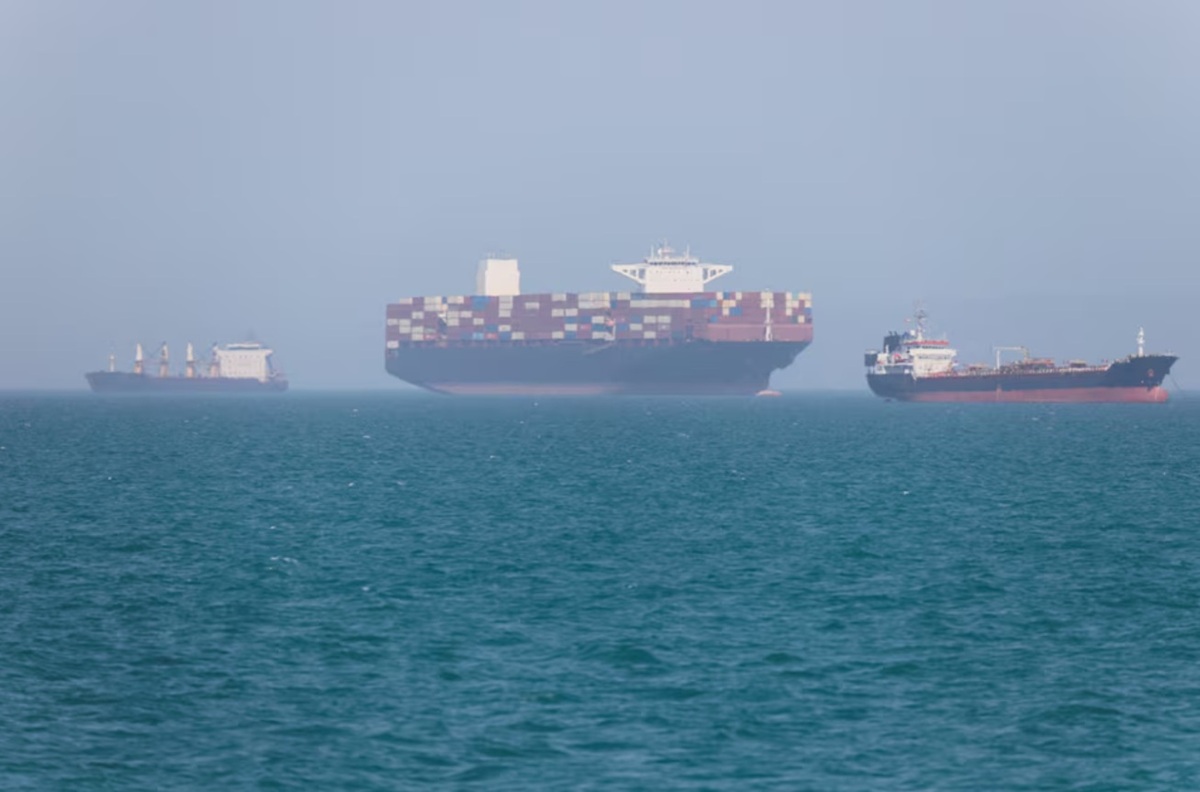
The war has already disrupted shipping through Hormuz, raising fears of an energy shock that could hit Chinese industry and exports. Recent reports show even Chinese-linked ships have faced disruption despite Iranian assurances.

Image

Beijing also has deep trade ties with both Iran and Gulf states, making regional stability critical to its economic interests.

Analysts say China’s diplomacy is partly about preventing oil prices from surging further and damaging growth.

What China’s Peace Plan Looks Like

The China-Pakistan initiative centers on a five-point framework that includes:

  • immediate ceasefire
  • urgent peace talks
  • protection of civilian infrastructure
  • reopening Hormuz
  • respect for sovereignty

The diplomatic push is designed to create what Beijing calls a “window for talks” between Washington and Tehran.

This also helps Xi Jinping project China as a stabilizing global power in contrast to Washington’s military-first approach.

But Will It Actually Work?

This is where the challenge begins.

China has influence, but its leverage is limited.

Unlike the United States, Beijing has no major military footprint in the Gulf and cannot enforce maritime security on the ground.

Its influence comes from trade, diplomacy, and energy ties rather than hard power.

That means China’s success depends on whether both Washington and Tehran are willing to engage.

So far, that remains uncertain.

Some analysts note that China’s earlier peace efforts — including its Ukraine framework — struggled to translate diplomatic proposals into concrete outcomes.

The Real Test: Can China Deliver Results?

The real measure of success will be whether China can help reopen Hormuz and create a credible ceasefire pathway.

If Beijing succeeds, it would significantly strengthen its image as a global mediator and reshape Middle East diplomacy.

If it fails, critics may see the effort as another symbolic peace proposal without enforcement power.

For now, China is clearly trying to play peacemaker.

Whether it works depends less on Beijing’s intentions and more on whether the warring sides see diplomacy as preferable to escalation.

That answer may come in the coming days.

NATO Rift Deepens as Trump Weighs Exit and Starmer Calls Hormuz Summit

0
British Prime Minister Keir Starmer

US President Donald Trump has said he is strongly considering pulling the United States out of NATO, sharply escalating tensions with European allies as the war-related crisis in the Strait of Hormuz continues to disrupt global energy markets.

At the same time, UK Prime Minister Keir Starmer announced that Britain will host an emergency meeting of around 35 countries to discuss diplomatic and political steps needed to reopen the vital shipping route.

The twin developments underline a widening transatlantic divide over the Iran conflict and maritime security in the Gulf.

Trump Calls NATO a “Paper Tiger”

According to multiple reports published today, Trump criticized NATO allies for refusing to support US-led military efforts related to Iran and the reopening of Hormuz.

He reportedly described the alliance as a “paper tiger” and said a US withdrawal is now under serious consideration.

The remarks come after several NATO countries declined to join direct military operations in the Gulf, preferring diplomacy over escalation.

This has revived long-standing concerns about the future of NATO and Washington’s commitment to collective defense.

UK Leads Diplomatic Push on Hormuz

Starmer, however, moved to calm the diplomatic crisis by reaffirming Britain’s full commitment to NATO.

He called it “the single most effective military alliance the world has ever seen.” (euronews)

At the same press conference, he confirmed that the UK will convene talks involving about 35 countries to address the Strait of Hormuz blockade.

The summit will focus on:

  • restoring freedom of navigation
  • securing trapped commercial vessels
  • resuming oil and LNG shipments
  • planning post-conflict maritime security

Starmer also said military planners will later meet to discuss how the strait can be made safe once fighting ends.

Hormuz Crisis Raises Global Oil Market Fears

The Strait of Hormuz carries roughly 20% of global oil trade, making the current disruption one of the most serious risks to global energy supply.

Image

With tanker traffic sharply reduced and multiple shipping firms pausing operations, markets remain highly sensitive to any diplomatic breakthrough.

Brent crude has already surged amid fears of prolonged closure.

NATO and Europe at a Turning Point

The latest remarks could mark a pivotal moment in Western security politics.

While Trump’s comments have reignited uncertainty over NATO’s future, Starmer’s Hormuz initiative positions the UK as a leading diplomatic actor in managing the crisis.

The immediate question now is whether diplomacy can reopen the strait before energy markets face further shocks.

Europe’s Space Defense Gap Exposed: IISS Warns of Critical US Dependence

0
Advancing European Military Capacity in Space

Europe is rapidly expanding its military space capabilities as security concerns over Russia and shifting US strategic priorities force governments to rethink long-term defense autonomy, according to a new report by the International Institute for Strategic Studies (IISS).

The March 2026 research paper, “Advancing European Military Capacity in Space,” outlines how European governments are investing heavily in satellite communications, intelligence systems, missile early warning, launch infrastructure, and space surveillance.

However, the report warns that despite major spending commitments, Europe remains deeply dependent on the United States for critical military space functions.

Russia-Ukraine War Driving Europe’s Space Defense Push

According to the IISS, Russia’s war against Ukraine has fundamentally changed Europe’s strategic outlook in space.

The study notes that any future conflict involving NATO allies would unfold in a contested space environment, where satellites for communications, navigation, intelligence, and missile warning could become priority targets.

Image

The report specifically highlights Russia’s operational counterspace capabilities, including:

  • anti-satellite missile systems
  • electronic jamming
  • cyber operations
  • orbital proximity missions
  • GPS spoofing

These threats have pushed Europe to prioritize sovereign military space assets.

Europe Has Already Committed More Than $100 Billion

The IISS estimates that currently announced European investments already exceed $109 billion.

Major spending includes:

  • Germany: €35 billion by 2030
  • France: €10.2 billion
  • EU IRIS² constellation: €10.6 billion
  • ESA resilience program: €1.2 billion

This includes major programs in:

  • secure satellite communications
  • ISR satellites
  • launch systems
  • missile early warning
  • space situational awareness

Yet the report warns these investments remain strategically fragmented.

Europe, it says, is still building “an aggregation of national systems rather than an integrated operational architecture.”

Image

Europe Still Depends on US for Critical Space Warfare Systems

The most serious concern identified by the IISS is Europe’s reliance on the United States for high-end military space enablers.

These include:

  • launch capacity
  • space-based ISR
  • missile early warning
  • satellite surveillance
  • deep space tracking

Image

The report states that the most acute dependencies lie in:

Missile Early Warning

Europe still relies heavily on US systems such as SBIRS for ballistic missile launch detection.

Intelligence and Surveillance

Persistent theater-level ISR remains dominated by US capabilities.

Launch Infrastructure

Europe still faces limitations in medium and heavy launch cadence compared with the United States and SpaceX.

Europe Needs $25 Billion More for Space Autonomy

One of the strongest findings in the IISS report is the projected cost of autonomy.

The institute estimates:

  • $10 billion additional spending for burden-sharing capability
  • $25 billion minimum for autonomous operational capability

This figure excludes:

  • personnel
  • cyber resilience
  • training
  • hardened ground systems
  • infrastructure overheads

The report warns that even with aggressive investment, full autonomy may not be achievable before 2040.

Image

Strategic Shift After US Policy Changes

The study also links Europe’s urgency to changing US defense priorities.

Washington is increasingly shifting strategic focus toward:

  • homeland defense
  • Indo-Pacific competition
  • China

As a result, European allies are being pushed to assume greater responsibility for their own defense.

This includes the space domain, where satellites now play a central role in:

  • command and control
  • battlefield intelligence
  • precision targeting
  • missile defense
  • logistics coordination

Europe’s Future Warfare Will Depend on Space

The IISS report makes clear that future warfare in Europe will not only be fought on land, sea, and air.

It will also be fought in orbit.

From satellite communications to missile launch detection and anti-jamming navigation systems, military space assets are now central to deterrence and warfighting.

The report concludes that Europe must move beyond fragmented national programs and develop a coherent integrated space defense architecture.

Without that, additional satellites alone will not translate into operational strength.

Drone Warfare Era Begins: US, Europe, China and Türkiye Rush New UAV Systems

0
Airbus test-flown a new UAV interceptor, the Do-DT25

The wars in Ukraine and Iran have transformed drone warfare from a supporting battlefield tool into one of the defining pillars of modern military strategy, prompting a rapid global arms race in unmanned aerial systems, loitering munitions, and autonomous logistics platforms.

What first emerged prominently during the Ukraine conflict has now been reinforced by the Iran war, where long-range one-way attack drones, low-cost precision strikes, and autonomous air defense layers have demonstrated that the future battlefield is increasingly unmanned, cheaper, and faster.

From Europe to Asia and the United States, major military powers are now moving aggressively to mass-produce both offensive and defensive drone systems.

Germany Expands Anti-Drone Shield with Skynex and Skyranger

Germany is accelerating production of its Skynex and Skyranger gun-based air defense systems as Europe strengthens its short-range anti-drone defenses.

Image

The move comes as Shahed-style drone attacks continue to reshape military planning across Europe, with lessons drawn directly from the battlefield experience in Ukraine.

These systems are specifically designed for the short-range counter-UAV layer, targeting loitering munitions, swarm drones, and low-flying threats that conventional missile defense systems often struggle to engage cost-effectively.

This reflects a broader military shift: using guns and short-range interceptors to destroy low-cost drones instead of expending expensive surface-to-air missiles.

Airbus Tests New UAV Interceptor Drone

In a major development, Airbus has successfully test-flown a new UAV interceptor, the Do-DT25, at a military range in northern Germany.

Image

The interceptor is armed with four Frankenburg Mark 1 missiles, each capable of engaging targets within a 1.5–2 km range.

The drone has been specifically built to hunt and destroy large loitering munitions such as Shahed-type drones, signaling the emergence of a new autonomous air defense layer.

This development is particularly significant because it moves beyond static air defense systems toward mobile, autonomous aerial interceptors, capable of pursuing and neutralizing drone threats in real time.

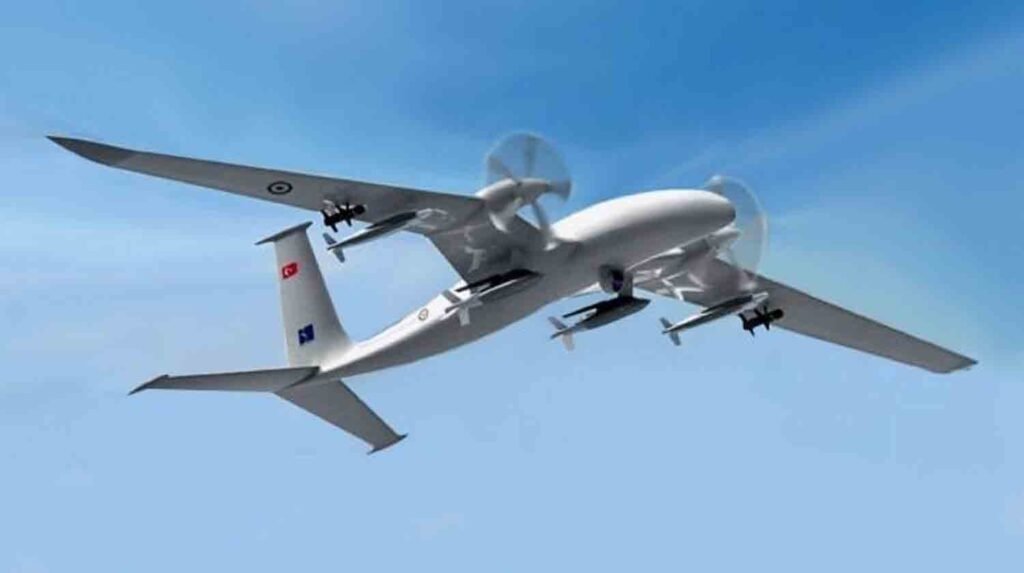
Türkiye Unveils New Shahed-Style Kamikaze Drone

Türkiye has unveiled its new indigenous kamikaze drone, the Sky Dagger, whose design visually resembles the Shahed-136.

Image

The development highlights Ankara’s increasing investment in low-cost, long-range precision strike systems, joining the expanding global race in loitering munitions.

The strategic significance is clear: countries are increasingly favoring mass-producible expendable strike drones capable of saturating enemy air defenses.

This mirrors the battlefield lessons from both Ukraine and Iran, where drone swarms and low-cost one-way attack systems have repeatedly challenged traditional military doctrine.

China Pushes Heavy-Lift Autonomous Logistics Drones

China has expanded its drone warfare and logistics capabilities with several new heavy-lift autonomous systems.

Changying-8 Heavy Cargo Drone

The newly tested Changying-8 can reportedly carry 3.5 tons of payload, with a range of up to 3,000 km and a maximum takeoff weight of 7 tons.

Image

This places it in a category comparable to light tactical transport roles.

600 kg Heavy-Lift Drone

China has also unveiled a 600 kg heavy-lift drone optimized for stable operations in severe weather.

500 kg Unmanned Transport Vehicle

Another newly introduced system can transport up to 500 kilograms, enhancing battlefield resupply and autonomous logistics.

These developments show that the drone race is no longer focused only on strike roles.

The next frontier is unmanned logistics, battlefield resupply, and remote autonomous transport, where drones reduce human exposure and accelerate operations.

US Moves to Mass Produce LUCAS Kamikaze Drones

The United States is also moving toward mass production of LUCAS kamikaze drones, reportedly inspired by the combat effectiveness of the Shahed-136.

Image

The strategic aim is to replace $1 million cruise missiles with significantly cheaper one-drone-one-strike systems.

This cost-efficiency model is now becoming central to modern warfare economics.

Instead of deploying expensive precision missiles, militaries are increasingly favoring expendable drones that can achieve similar tactical effects at a fraction of the cost.

Ukraine and Iran Wars Proved the Future of Warfare

The Ukraine war first demonstrated how drones could dominate reconnaissance, artillery correction, precision strikes, and swarm attacks.

The Iran conflict further reinforced this reality by highlighting the strategic impact of long-range loitering munitions and saturation attacks.

Together, both wars have effectively proven that future conflict will revolve around:

  • cheap strike drones
  • autonomous interceptors
  • anti-drone gun systems
  • heavy-lift logistics UAVs
  • swarm warfare
  • AI-assisted targeting

The battlefield is becoming smaller, faster, and increasingly autonomous.

Drone warfare is no longer the future.

It is already here.

Trump’s Iran Endgame Raises Fears Over Hormuz, Oil Shock and NATO Rift

1
U.S. President-elect Donald Trump attends a wreath laying ceremony at Arlington National Cemetery ahead of the presidential inauguration in Arlington, Virginia, U.S.

US President Donald Trump is signaling that Washington may be preparing to step back from the conflict with Iran, even as the Strait of Hormuz remains disrupted and global oil markets face growing uncertainty.

According to the draft, Trump has been telling US allies that they may have to deal with the consequences of the conflict on their own.

In a post on Truth Social, he wrote:

“Go get your own oil.”

The remark came amid growing signs that the administration may declare the mission complete without first restoring full freedom of navigation through one of the world’s most important energy routes.


Hormuz Remains the Core Strategic Issue

The Strait of Hormuz is one of the most critical shipping lanes in the world, through which a large share of global oil and LNG supplies traditionally transit.

If the conflict ends with Iran retaining effective control over the chokepoint, analysts say it would represent a significant strategic outcome for Tehran.

Image

The draft notes that Iran could potentially use this position to:

  • impose transit tolls
  • leverage global energy prices
  • rebuild damaged military and missile capabilities

Such a development would have immediate implications for global markets.

Economic Fallout Could Hit Global Markets

Even though the United States is one of the world’s largest oil producers, the report emphasizes that American consumers are still exposed to global oil pricing.

Because oil is traded globally, any supply disruption in Hormuz can raise prices worldwide.

This increases the risk of:

  • inflation
  • energy shortages
  • economic slowdown
  • possible global recession

The economic consequences could become politically significant ahead of upcoming US midterm elections.

Pressure on NATO and European Allies

The draft also highlights growing strain within the transatlantic alliance.

According to the report, Marco Rubio described the response of US allies as “very disappointing.”

This has fueled concerns in Europe that Washington’s security commitments may increasingly become conditional.

Some allies reportedly declined to fully support US offensive operations.

Examples mentioned include:

  • the UK initially withholding base access
  • Spain taking a more distant position

This is adding pressure on European governments to accelerate military investment and reduce reliance on US security guarantees.

Europe Faces Direct Economic Risks

Even if European countries remain outside the fighting, the draft argues they cannot avoid the consequences.

Potential risks include:

  • rising fuel prices
  • inflationary pressure
  • supply chain disruption
  • refugee flows if instability worsens in Iran

Several fragile European economies could face serious political fallout if energy prices continue to rise.

No Clear Military Solution

The draft notes that even major NATO powers lack the capacity to independently reopen the Strait without US support.

While some countries have niche capabilities such as minesweeping and escort missions, analysts question whether this would be sufficient in a high-threat environment involving Iranian drones and missiles.

Even the US Navy is described as facing major operational risks in the area.

This leaves no obvious military off-ramp for either side.

Trump’s Messaging May Still Be Tactical

The article also cautions that Trump’s public statements may be part of a negotiating strategy.

The draft notes that his rhetoric often serves as pressure on allies and adversaries alike.

This includes previous threats to strike Iranian infrastructure if peace terms are not accepted.

As a result, some analysts believe the public messaging may still be aimed at forcing diplomatic movement rather than signaling a final withdrawal.

Los Angeles-Class Submarine USS Albany Moves Closer to Fleet Return

0
The Los Angeles-class attack submarine USS Albany (SSN 753) undocked from the floating dry dock, Auxiliary Repair Dry Dock (RDM 4) at Submarine Base New London in Groton, Conn

The USS Albany (SSN-753) has safely undocked at Naval Submarine Base New London, marking a major milestone in its maintenance and modernization program, according to a US Navy press release.

The undocking took place on March 26, following months of extensive repairs and upgrades carried out by Portsmouth Naval Shipyard.

Image

The milestone is considered a critical step toward returning the submarine to operational service and strengthening the Navy’s undersea warfare capability.

Major Repairs and Modernization Work

The USS Albany (SSN-753) arrived at New London in summer 2025 for a scheduled maintenance and modernization availability.

Since then, the submarine has undergone:

  • structural inspections
  • mechanical system replacements
  • electrical system upgrades
  • repairs to critical onboard components

According to the Navy, the work is intended to enhance the submarine’s capabilities and equip its crew with one of the most advanced undersea platforms possible.

The modernization is designed to ensure the submarine can meet future operational demands in an evolving threat environment.

More Than 400 Shipyard Personnel Deployed

To support the availability, an advanced team from Portsmouth Naval Shipyard spent much of 2025 coordinating with New London facilities.

At peak manning, more than 400 shipyard personnel were temporarily deployed to execute the work.

US Navy officials said the project faced multiple operational challenges, including several winter storms.

Despite this, the docking period was completed ahead of schedule.

Capt. Jesse Nice, shipyard commander, said:

“The teaming demonstrated by the crew of Albany and the shipyard workforce drove through every obstacle, completing Albany’s docking period ahead of schedule.”

Key Step Toward Fleet Return

The completion of the docking period is described as a critical first step toward returning the submarine to the fleet.

Cmdr. Adam Nebenzahl, commanding officer of the submarine, said the early undocking reflects a strong “one team, one fight mentality.”

He added that the milestone brings the submarine one step closer to rejoining the fleet and resuming operations at sea.

This directly supports the US Navy’s broader objective of maintaining combat-ready undersea platforms and strengthening sustained deterrence.

Image

Why USS Albany Matters

The USS Albany (SSN-753) is a Los Angeles-class attack submarine, one of the key pillars of US Navy undersea warfare capability.

These submarines are designed for:

  • anti-submarine warfare
  • anti-surface ship warfare
  • intelligence gathering
  • special operations support
  • long-range strike missions

Their stealth and endurance make them a major component of US maritime deterrence.

Portsmouth Naval Shipyard’s Strategic Role

The Navy described Portsmouth Naval Shipyard as America’s leader in attack submarine maintenance, repair, and modernization.

The shipyard plays a major role in sustaining the US submarine fleet and supporting the maritime industrial base.

Officials said the work directly contributes to national security by ensuring submarines return to service more capable than before.

Pakistan Navy Expands Sea Sultan Jet Maritime Patrol Fleet to Boost Indian Ocean Surveillance

0

Pakistan Navy Chief Admiral Naveed Ashraf has confirmed that the navy’s aviation arm is being strengthened through the induction of Jet LRMPs (Long Range Maritime Patrol Aircraft), marking a major expansion in maritime surveillance capability across the northern Indian Ocean.

Speaking in an interview on March 30, Admiral Ashraf linked the move to Pakistan Navy’s broader modernization drive, which also includes new frigates, corvettes, submarines, cyber systems, artificial intelligence, and space-based integration.

The announcement is strategically significant because maritime patrol aircraft play a critical role in:

  • detecting submarines
  • cueing anti-ship strikes
  • monitoring sea lanes
  • supporting long-range reconnaissance
  • sustaining deterrence before hostile forces approach the coastline

Sea Sultan Program at the Core

The aircraft referenced are the Sea Sultan long-range maritime patrol aircraft, based on the Embraer Lineage 1000E and heavily modified for naval operations.

Pakistan selected the jet-powered platform to replace its aging Lockheed P-3C Orion fleet.

The Sea Sultan offers several advantages over traditional turboprop patrol aircraft:

  • greater speed
  • higher operating altitude
  • improved endurance
  • lower operating costs
  • faster response times across the Arabian Sea

Advanced Sensors and Strike Capability

The aircraft is being integrated and modified by Leonardo S.p.A. in collaboration with Paramount Group.

According to the report, the Sea Sultan is expected to carry advanced systems including:

  • AESA radar
  • electro-optical sensors
  • ESM / ELINT receivers
  • satellite communications
  • sonobuoy launchers
  • torpedoes
  • depth charges
  • chaff / flare dispensers

This gives the aircraft a strong role in:

  • anti-submarine warfare
  • anti-surface warfare
  • intelligence collection
  • search and rescue
  • over-the-horizon targeting

Strategic Role in the Arabian Sea

The Sea Sultan fleet is expected to operate primarily from PNS Mehran, the main hub of Pakistan Navy’s aviation arm.

From Karachi, the aircraft can rapidly monitor:

  • the Arabian Sea
  • Pakistan’s exclusive economic zone
  • Gulf of Oman
  • approaches to the Strait of Hormuz

These waters are among the world’s most strategically important shipping routes.

Linked to Gwadar and CPEC Security

The expansion also reflects Pakistan’s growing focus on protecting maritime trade routes linked to Gwadar Port and the China-Pakistan Economic Corridor.

With Gwadar increasingly functioning as a major logistics node for western China, wider-area surveillance has become strategically essential.

The Sea Sultan’s range allows Pakistan Navy to monitor not only its coastline but also distant maritime approaches across the broader northern Indian Ocean.

Part of a Wider Naval Modernization Plan

Admiral Ashraf described the aircraft as part of a broader shift toward multi-domain operations.

This includes integration with:

  • Type 054A/P frigate
  • MILGEM corvette
  • coastal anti-ship missile batteries
  • unmanned systems
  • cyber and AI platforms
  • satellite surveillance

The Sea Sultan effectively serves as the aerial sensor layer of Pakistan’s future maritime architecture.

Balancing India’s P-8I Advantage

Regionally, the program is likely to be viewed as an effort to narrow the surveillance gap with India.

India already operates the Boeing P-8I Poseidon, one of the most capable maritime patrol aircraft in the Indo-Pacific.

While the Sea Sultan may not match the P-8I’s size and payload, Pakistan appears focused on reducing the intelligence and targeting gap through technology upgrades.

Program Cost and Long-Term Vision

No official cost figure has been disclosed.

However, the report notes that comparable business-jet maritime conversions typically cost between $150 million and $250 million per aircraft.

With a long-term requirement of up to 10 aircraft, the full program could approach $1.5 billion to $2.5 billion.

By 2030, the Sea Sultan could become the backbone of Pakistan Navy’s airborne surveillance posture in the Indian Ocean.

ISW Report Warns North Korea Advancing MIRV ICBM Capability and Global Ties

0

North Korea’s latest test of a high-thrust solid-fuel intercontinental ballistic missile (ICBM) engine signals a major push toward multiple independently targetable re-entry vehicle (MIRV) capability, according to a new report by the Institute for the Study of War.

The report says the program is designed to complicate US and allied missile defense systems while strengthening Pyongyang’s second-strike nuclear deterrent.

According to North Korean state media, Kim Jong Un personally observed a high-thrust solid-fuel engine ejection test on March 29, using advanced carbon-fiber composite materials.

Engine Thrust Exceeds Major Global ICBMs

North Korea claims the new engine produces 2,500 kilonewtons (kN) of thrust, a significant jump from the 1,971 kN engine tested in September 2025.

For comparison, the report notes that this would exceed the thrust levels of several major operational ICBMs:

  • LGM-30 Minuteman III — ~891 kN
  • RT-2PM2 Topol-M — ~913 kN
  • DF-41 — ~1,100–1,400 kN

This level of thrust would potentially allow North Korea to carry multiple warheads over intercontinental ranges, including targets in the United States.

Image

MIRV Capability Could Overwhelm Missile Defense

The report says the test strongly suggests progress toward MIRV capability.

A MIRV system allows a single missile to deploy multiple nuclear warheads against separate targets, significantly complicating interception efforts.

This would shorten response timelines for the United States Department of Defense, South Korea, and Japan.

However, ISW notes that engine thrust alone is not sufficient for a fully operational MIRV system.

A previous June 2024 test reportedly dispersed three re-entry vehicles, but a decoy failed before release, suggesting the program remains technically immature.

Broader Strategic Weapons Expansion

The test is part of North Korea’s new five-year defense plan (2026–2030).

The report says Pyongyang is investing heavily in:

  • submarine-launched ballistic missiles
  • naval nuclear forces
  • AI-enabled unmanned strike systems
  • satellite assets
  • electronic warfare systems

This reflects a broader operating concept that combines nuclear and conventional precision strike capability.

Russia and China Ties Help Sanctions Resistance

A major focus of the ISW report is North Korea’s growing international engagement.

Since the Ukraine war, Pyongyang has deepened ties with Russia, China, and other non-Western states.

Notably, Alexander Lukashenko visited Pyongyang on March 25–26, signing a Treaty of Friendship and Cooperation with Kim Jong Un.

The report says these ties help North Korea:

  • evade sanctions
  • strengthen military development
  • gain diplomatic leverage
  • support economic recovery

Image

Budget Growth Signals Economic Recovery

North Korea’s national budget reportedly increased by 5.8% in 2026, the highest rise since 2013.

The report links this to improving trade relations with China and Russia, along with foreign currency inflows from military support linked to the Ukraine conflict.

ISW notes that a significant portion of this increase is likely funding strategic weapons development.

Japan Outreach Rejected

The report also says North Korea rejected diplomatic outreach from Japanese Prime Minister Sanae Takaichi.

Kim Yo Jong said Pyongyang has no intention of meeting Japan at this stage.

ISW assesses this as part of North Korea’s effort to undermine trilateral cooperation among the US, South Korea, and Japan.

China Firms Accused of Sanctions Violations

The report further notes that Chinese firms are allegedly exporting electronics and electric vehicles to North Korea in violation of UN sanctions.

Trade data for early 2026 reportedly showed a 22% year-on-year increase in bilateral trade.

This trend is likely helping Pyongyang weather economic pressure while continuing strategic weapons expansion.

Beijing Opens Door to Gulf Mediation With China-Pakistan Five-Point Peace Statement

0
Deputy Prime Minister/ Foreign Minister, Senator Mohammad Ishaq Dar is received by Foreign Minister of China, Wang Yi at the Diaoytai State Guest House for their bilateral meeting.

China and Pakistan have issued a joint five-point initiative calling for peace and stability in the Gulf and Middle East, a move widely seen as opening the door for Beijing to play a larger diplomatic role in the ongoing regional conflict.

The statement followed a high-level meeting in Beijing on March 31, 2026, between Wang Yi and Ishaq Dar.

Diplomatic observers say the language of the statement suggests China’s response to requests for involvement was clearly not a refusal, and instead signals a possible opening for Beijing to step in as a diplomatic guarantor.

Munir’s Presence Adds Strategic Weight

The timing of the statement has drawn further attention because Asim Munir was also in Beijing.

His visit comes amid reported contacts with Donald Trump and JD Vance, adding another layer of strategic significance to the diplomacy.

Analysts say this makes the China-Pakistan initiative more than a routine joint statement and potentially part of a wider diplomatic framework involving multiple power centers.

Focus on Strait of Hormuz Shipping

One of the most significant parts of the statement is its emphasis on protecting international shipping lanes, especially the Strait of Hormuz.

This reflects key strategic concerns for both China and Pakistan.

For Beijing, the Strait is critical for energy imports and global supply chains.

For Islamabad, secure shipping routes are closely linked to energy security and regional stability.

Image

The draft also notes that CPEC 2.0 and Pakistan’s role as a possible energy bypass route may have figured prominently in discussions.

Ishaq Dar Highlights Strategic Partnership

Following the talks, Ishaq Dar said he was pleased to be in Beijing at the invitation of his “dear friend” Wang Yi.

He described the discussions as:

“substantive, thoughtful, and forward-looking exchanges.”

Dar said both sides discussed:

  • strengthening bilateral ties
  • advancing cooperation under China-Pakistan Economic Corridor 2.0
  • enhancing high-level exchanges
  • celebrating 75 years of diplomatic relations
  • coordination in multilateral forums

He added that both countries reaffirmed their commitment to peace, stability, dialogue, and diplomacy.

The Five-Point Initiative

The joint statement laid out the following five points:

1. Immediate Cessation of Hostilities

China and Pakistan called for an immediate ceasefire and efforts to prevent the conflict from expanding further.

2. Start of Peace Talks

Both sides urged relevant parties to begin talks as soon as possible while safeguarding sovereignty and territorial integrity.

3. Protection of Civilians and Infrastructure

The statement called for stopping attacks on civilians and nonmilitary infrastructure, including:

  • energy facilities
  • desalination plants
  • power infrastructure
  • peaceful nuclear facilities

4. Security of Shipping Lanes

A major focus was placed on restoring safe civilian and commercial passage through the Strait of Hormuz.

5. Primacy of the UN Charter

Both countries called for a peace framework based on the United Nations Charter and international law.

Signal of Beijing’s Growing Diplomatic Role

The broader significance of the statement lies in what it may signal diplomatically.

Analysts interpret the initiative as a clear indication that Beijing is willing to step into the diplomatic space, particularly as a possible guarantor for future negotiations involving Gulf actors and Iran.

The stress on shipping lanes and multilateralism aligns strongly with China’s strategic and financial interests in the region.

US Air Force EA-37B Electronic Warfare Jets Arrive in UK Ahead of Possible Middle East Deployment

0
USAF’s EA-37B Compass Call II electronic warfare aircraft.

Two EA-37B Compass Call electronic warfare aircraft have arrived at RAF Mildenhall on March 31, 2026, raising expectations that the platform could soon be deployed to the Middle East as part of expanding US operations against Iran.

The aircraft departed from Davis-Monthan Air Force Base on March 30 and made a fuel stop at Joint Base McGuire-Dix-Lakehurst before arriving in the UK.

The jets were flying with the callsigns AXIS41 and AXIS43, according to flight tracking data.

Image

Reports suggest the aircraft may later continue onward to Türkiye, potentially positioning them closer to the Middle East theater.

Possible First Operational Deployment

Defense analysts believe this could represent the first operational deployment of the EA-37B platform.

The speculation follows recent reports that two EC-130H Compass Call aircraft were damaged in the Iranian strike on Prince Sultan Air Base in Saudi Arabia.

In January 2026, the US Air Force said the aircraft had deployed to Europe but was not yet operational at that time.

The service previously indicated that Initial Operational Capability (IOC) is expected during 2026, with a full fielding decision anticipated in the first quarter of Fiscal Year 2026.

If confirmed, this would mark a major milestone for the Compass Call Rehost program.

Role in Operation Epic Fury

Should the deployment to the Middle East be confirmed, the EA-37B Compass Call would likely support Operation Epic Fury.

Its primary role is to provide electronic attack effects that protect US and allied forces operating in contested environments.

The aircraft is specifically designed to:

  • disrupt enemy command-and-control communications
  • jam radar systems
  • interfere with navigation systems
  • degrade adversary force coordination

This capability is especially relevant in a conflict with Iran, where missile coordination, radar coverage, and drone control are central to battlefield operations.

Potential Integration With Rivet Joint

One of the most significant operational aspects is the potential integration with the Boeing RC-135 Rivet Joint.

The US Air Force has been working on combining:

  • Rivet Joint’s intelligence gathering
  • Compass Call’s electronic warfare capability

This combination allows forces to not only detect enemy signals and emitters but also immediately jam or suppress them.

Image

Officials described this integration as a “game-changer on the modern battlefield.”

From EC-130H to EA-37B

The EA-37B replaces the older Lockheed EC-130H Compass Call.

The new aircraft is based on the Gulfstream G550 airframe, offering major operational improvements:

  • greater speed
  • higher altitude
  • longer endurance
  • better stand-off range
  • improved survivability

Compared with the older C-130-based platform, the G550-based aircraft can operate more effectively in Anti-Access / Area Denial (A2/AD) environments.

Advanced Baseline 4 Upgrade

Future aircraft are expected to receive the Baseline 4 Compass Call suite.

This includes BAE Systems’ SABER technology, built around software-defined radios and open architecture systems.

The upgrade is designed to make the platform more adaptable to future threats and enable rapid software-based updates.

Potential future enhancements may include cognitive electronic warfare capabilities, allowing the aircraft to adapt dynamically to enemy signals in real time.

Lower Cost, Higher Capability

The upgraded platform is also significantly more efficient.

According to your draft, the EA-37B is expected to reduce operating costs by around 50% compared with the EC-130H while delivering improved performance.

This includes lower cooling requirements and reduced size, weight, and power demands for mission systems.

US 82nd Airborne Troops Arrive in Middle East as Trump Weighs Iran War Options

0
82nd Airborne Division

Thousands of soldiers from the 82nd Airborne Division, one of the US Army’s elite rapid-response formations, have started arriving in the Middle East as President Donald Trump considers his next military steps in the ongoing war with Iran, according to US officials.

The deployment adds to a wider American military buildup in the region, including sailors, Marines, and Special Operations forces already sent to the Gulf.

Over the weekend, approximately 2,500 Marines also arrived in the Middle East, further expanding Washington’s operational options.

Officials said the latest deployment includes:

  • elements of the 82nd Airborne headquarters
  • logistics and support units
  • one brigade combat team

The soldiers are based out of Fort Bragg, North Carolina.

Image

No Decision Yet on Entering Iran

Officials stressed that no final decision has been made to send US troops into Iranian territory.

However, the deployment significantly increases Washington’s capacity for possible future operations across the region.

One source said the forces are intended to build operational flexibility for multiple contingencies.

This comes as Reuters previously reported that the administration was considering deploying thousands of additional troops to broaden military options, including potential missions inside Iran.

Possible Missions Under Review

US officials and analysts say the incoming troops could be used for several possible missions linked to the Iran war.

1. Kharg Island Operation

One option reportedly discussed is a move to seize Kharg Island, the hub for around 90% of Iran’s oil exports.

Image

Such an operation would be highly risky, as Iran can target the island with missiles and drones.

2. Uranium Extraction Mission

Another reported scenario involves deploying ground forces to help secure and extract highly enriched uranium from Iranian facilities.

This option could require US troops to operate deeper inside Iranian territory for extended periods while engineers recover material believed to be stored underground. (Reuters)

3. Strait of Hormuz Security

Officials have also discussed missions related to securing safe passage for oil tankers through the Strait of Hormuz.

While primarily an air and naval mission, this could also involve deploying troops to Iran’s shoreline or nearby islands.

Political Risks for Trump

Any use of US ground troops inside Iran carries major political risks for Trump.

Analysts note that public support in the United States for a prolonged Iran campaign remains limited, and the move could conflict with Trump’s previous election promises to avoid new Middle East entanglements. (Reuters)

At the same time, Trump has continued to warn Tehran over the Strait of Hormuz while saying Washington is in talks with what he described as a “more reasonable regime.”

Operation Epic Fury Casualties and Scale

Since operations began on February 28, the US military has reportedly carried out strikes on more than 11,000 targets as part of Operation Epic Fury. (Reuters)

According to the figures in your draft:

  • more than 300 US troops injured
  • 13 service members killed

The latest troop arrivals suggest Washington is preparing for the possibility of an extended regional campaign.

Trump Renews F-35 Saudi Arabia Sale Push Amid Middle East Security Realignment

0

US President Donald Trump has again declared that Washington has agreed to sell Lockheed Martin F-35 Lightning II stealth fighters to Saudi Arabia, a move that could significantly reshape Gulf airpower and the broader Middle East security order.

Speaking at the Future Investment Priority Summit in Miami on March 28, 2026, Trump said:

“For the very first time, we agreed to sell Saudi Arabia perhaps the most capable fighter jet ever built, the F-35.”

This is the second time Trump has publicly presented the transfer as an approved decision, following similar remarks in November 2025 ahead of Mohammed bin Salman’s White House visit.

More Than a Fighter Jet Sale

The significance of the proposed transfer goes beyond a conventional arms sale.

The Lockheed Martin F-35 Lightning II is not just an aircraft platform but a software-defined combat system, integrating stealth, sensor fusion, advanced avionics, and networked battlespace awareness.

Image

Defense analysts say any state acquiring the F-35 also enters a long-term American ecosystem involving:

  • training pipelines
  • software updates
  • diagnostics systems
  • mission data support
  • sustainment infrastructure

This makes the deal as much about strategic alignment as military hardware.

Formal Approval Process Still Pending

Despite Trump’s strong language, the legal and operational process remains incomplete.

As of March 30, 2026, no public Defense Security Cooperation Agency (DSCA) notification has been issued for a Saudi F-35 case.

Under US law, any major foreign military sale must undergo formal congressional review before execution.

This means the proposal currently represents a declared policy direction rather than a legally completed transfer package.

The likely congressional review period for Saudi Arabia would be 30 days, longer than the 15-day fast-track timeline available to NATO members and certain close allies.

This gap between political messaging and legal paperwork remains one of the central issues analysts are watching.

How the F-35 Would Change Saudi Airpower

If approved, the aircraft would significantly enhance Saudi Arabia’s military options.

The Lockheed Martin F-35 Lightning II is designed for high-threat environments, allowing penetration of defended airspace while remaining difficult to detect.

For Riyadh, this would strengthen capabilities in:

  • suppression of enemy air defenses
  • deep precision strike
  • airborne sensor networking
  • coalition targeting integration

Reports suggest a possible package of up to 48 F-35A aircraft, which would reposition Saudi Arabia from a fourth-generation fighter operator to a fifth-generation stealth air force.

Israel’s Military Edge Remains Key

One of the biggest structural constraints on the deal remains Israel’s qualitative military edge (QME).

US law requires Washington to ensure that Israel retains technological and operational superiority over potential regional rivals.

According to previous reporting cited in your draft, any Saudi F-35 package would likely be less advanced than Israel’s F-35I fleet, particularly in:

  • electronic warfare systems
  • weapons integration
  • software permissions

This means that even if Saudi Arabia becomes the first Arab F-35 operator, the transfer would likely preserve a hierarchy in regional stealth capabilities.

China Factor and Strategic Lock-In

Another major factor is Washington’s concern over Saudi Arabia’s ties with China.

Because the F-35 relies heavily on secure data systems and software infrastructure, US officials remain highly sensitive to risks related to:

  • data exposure
  • network vulnerabilities
  • technological access by rival powers

Analysts say the proposed transfer can also be read as a strategic move to bind Riyadh more tightly to the American defense-industrial base and reduce incentives to diversify toward Chinese high-end military systems.

What Comes Next

The next major indicator will be a formal DSCA notification to Congress.

Once submitted, analysts will be able to assess:

  • number of aircraft
  • delivery timelines
  • weapons package
  • sustainment requirements
  • mission-system limitations

Until then, Trump’s remarks remain a politically significant declaration of intent, rather than a fully documented arms transfer.

If completed, the deal would make Saudi Arabia the first Arab operator of the F-35 and one of the few Middle Eastern states to field fifth-generation stealth aircraft.

Iran Seeks China Guarantee for US Deal as Trump Warns Over Hormuz and Oil Infrastructure

0

Iran is seeking guarantees in any potential agreement with the United States, with diplomatic efforts now increasingly focused on China as a possible guarantor, according to emerging regional reports.

Diplomatic sources indicate that Ishaq Dar is expected to travel to Beijing as part of efforts to secure a framework for possible talks between Iran and the United States.

The move is being interpreted as part of Tehran’s conditions for entering negotiations with Washington, with China increasingly emerging as the frontline player in diplomatic efforts.

Image

Officials familiar with the diplomacy suggest such an initiative would likely have been informally floated with both Washington and Beijing before any official visit.

While there is no confirmation that Beijing has agreed to act as guarantor, China’s role appears to be growing amid the crisis.

Trump Issues New Warning Over Hormuz

US President Donald Trump said the United States may “blow up and completely obliterate” Iran’s electric plants and oil wells if a deal is not reached and the Strait of Hormuz is not reopened.

The warning marks one of the strongest public ultimatums issued by Washington during the current crisis.

Image

The Strait remains one of the world’s most important oil transit chokepoints, with around 20 million barrels per day historically moving through it.

Rubio Signals Fractures Inside Iran’s Leadership

US Secretary of State Marco Rubio declined to identify the individuals with whom Washington is reportedly communicating inside Iran, but said there are “fractures” within the country’s leadership.

Speaking on ABC’s Good Morning America, Rubio said:

“There’s some fractures going on there internally.”

He added that some individuals are “saying some of the right things privately”, while cautioning that public statements may not reflect private negotiations.

Rubio stressed that Washington would now test whether those voices have sufficient authority inside Iran to deliver an agreement.

Shipping Traffic Slowly Returns

Shipping data indicates that more vessels are now passing through the Strait of Hormuz, though volumes remain significantly below pre-conflict levels.

Pakistan announced that Iran has allowed 20 Pakistani-flagged ships to transit the route, with two ships expected to pass daily.

Foreign Minister Ishaq Dar described the move as a “welcome and constructive gesture.”

Separately, two large Chinese container vessels also crossed the Strait on Monday and are now headed toward Port Klang.

According to shipping analysts, Iran appears to be pursuing a selective vessel passage strategy, allowing certain ships through as a form of strategic signaling rather than imposing a full blockade.

Selective Access for Friendly States

Iran has maintained that the Strait remains open to vessels not operated by states aligned with the US or Israel.

Among ships recently allowed through were two large Indian LPG vessels, following an earlier understanding between Iran and India.

This controlled passage system appears designed to balance diplomatic pressure with leverage over global shipping and energy flows.

Trump Weighs Military Operation to Seize Iran’s Uranium Stockpile, Officials Say

0
Thousands of U.S. Marines are set to enter the Middle East on Friday—the same day as Trump’s deadline for Iran to reopen the Strait of Hormuz.

US President Donald Trump is considering a potential military operation aimed at extracting nearly 1,000 pounds of highly enriched uranium from Iran, according to US officials, as the White House weighs both the risks to American troops and the possibility of a diplomatic settlement.

According to reports, the plan remains under review and no final decision has been taken.

Officials said the proposal would represent one of the most complex missions considered in the ongoing conflict, potentially requiring American forces to operate inside Iranian territory for several days or longer.

The central objective would be to prevent Tehran from retaining uranium that Washington believes could support future nuclear weapons development.

High-Risk Ground Mission Under Review

Military experts cited in the discussions said US troops would first need to secure the targeted nuclear sites, allowing engineers and specialist teams to search through damaged facilities and locate the uranium storage containers.

The material is believed to be stored in multiple specialized cylinders, which would require secure transport casks and carefully coordinated extraction logistics.

Officials warned that the operation could place US troops under threat from:

  • Iranian surface-to-air missile systems
  • armed drones
  • fixed-site defenses
  • potential retaliatory strikes

Image

Retired military officials reportedly described the mission as among the most dangerous and logistically demanding ever considered.

Diplomatic Option Still on the Table

Officials said Trump is also pressing advisers to continue exploring a diplomatic route.

According to the reports, the president has encouraged intermediaries to push Iran to surrender the uranium stockpile as part of a peace settlement.

Diplomatic channels reportedly involve intermediaries including:

  • Pakistan
  • Türkiye
  • Egypt

While communications have reportedly continued through these channels, officials said no direct talks aimed at ending the conflict have yet taken place.

White House Press Secretary Karoline Leavitt said Pentagon preparations are designed to provide “maximum optionality,” emphasizing that no final decision has been made.

Fears of Wider Escalation

Some officials reportedly believe the mission could be completed without significantly extending the conflict, potentially allowing Washington to conclude hostilities within weeks.

Others, however, warned that any US ground incursion into Iran could trigger major escalation and prolonged retaliation, potentially widening the war far beyond current expectations.

Analysts noted that such an operation could require:

  • special operations forces
  • rapid engineering teams
  • secured extraction convoys
  • makeshift airfields for transport aircraft

The prospect of prolonged engagement is said to be one of the key factors influencing Trump’s decision-making, particularly as he balances military objectives with domestic political considerations ahead of upcoming US elections.

Historical Precedents

The United States has previously participated in nuclear material removal missions under peaceful conditions.

These include:

  • Project Sapphire in Kazakhstan in 1994
  • a joint US-UK operation in Georgia in 1998

However, officials noted that extracting radioactive material from an active conflict zone would be vastly more difficult and dangerous.

Current Nuclear Concerns

US officials cited in the reports said Iran is not currently enriching uranium to weapons-grade levels, but concerns remain over its ability to resume enrichment and develop future delivery systems.

This remains a central issue in Washington’s military and diplomatic calculations.