Wednesday, May 13, 2026
Home Blog Page 147

Erdogan says principles of UN and Western values are deteriorating in Gaza

0

Turkish President Tayyip Erdogan stated on Tuesday that the principles of the United Nations and the values upheld by the Western world are deteriorating in Gaza amid the ongoing conflict, urging for an “alliance of humanity” to intervene against Israel.

During his address at the United Nations General Assembly, Erdogan expressed strong condemnation of Israel’s military actions in the Gaza Strip and criticized Western nations for their support of Israel.

“Alongside the children in Gaza, the United Nations system is perishing, the truth is vanishing, the values that the West professes to uphold are fading, and the aspirations of humanity for a more equitable world are being extinguished one by one,” Erdogan remarked.

As a NATO member, Turkey has denounced Israel’s military operations in Gaza, which were launched in response to a cross-border attack by the Palestinian militant group Hamas on October 7 of the previous year. Turkey has ceased all trade with Israel and has sought to join a genocide case against Israel at the International Court of Justice.

Israel has consistently rejected the genocide allegations, asserting that its actions in Gaza are acts of self-defense aimed at the Hamas leadership.

“Those who claim to advocate for a ceasefire are simultaneously supplying Israel with weapons and ammunition behind the scenes, enabling it to perpetuate its atrocities. This represents a lack of consistency and sincerity,” Erdogan stated.

He also expressed Turkey’s solidarity with the people of Lebanon as Israel conducts airstrikes targeting Hezbollah fighters in the region.


Taiwan asserts that China is the true source of hacking activities, countering recent cyber allegations

0

Senior government officials in Taipei asserted on Tuesday that the real hackers are in China, not Taiwan, dismissing Beijing’s claims of a Taiwanese hacking group as misinformation.

On Monday, China’s national security ministry accused a military-supported Taiwanese group named Anonymous 64 of conducting cyberattacks against Chinese targets, urging citizens to report any “anti-propaganda sabotage.” The ministry also identified three individuals it alleged were associated with the group, releasing their photographs.

Taiwan, which operates as a democratic entity but is claimed by China, often voices concerns about being a target of Chinese cyber intrusions and disinformation campaigns. However, it is uncommon for Beijing to retaliate with accusations against Taipei.

During a press conference at parliament, Taiwan’s Defence Minister Wellington Koo emphasized that China is the primary perpetrator of global cyberattacks. “China leads the world in daily cyber assaults, targeting Taiwan and other nations that share democratic values. They are the true instigators,” he stated, refuting China’s allegations.

Koo further asserted that the military is committed to defending the nation and will not be deterred by these claims, nor will they have a chilling effect on their operations.

Premier Cho Jung-tai also addressed the parliament, stating that China is disseminating false information to undermine Taiwan. “We must vigorously counter the false accusations directed at us,” Cho remarked.

China has consistently maintained its stance on the potential use of force to assert control over Taiwan, while Taiwan’s government firmly rejects Beijing’s claims of sovereignty, insisting that only the people of Taiwan can determine their own future.

China strongly opposes Taiwan President Lai Ching-te, labeling him a “separatist.” The Chinese government has consistently rejected Lai’s numerous proposals for dialogue.

Lula promotes Brazil-China initiative for Ukraine-Russia at the United Nations

0

Brazilian President Luiz Inacio Lula da Silva proposed on Tuesday a plan aimed at facilitating discussions between Russia and Ukraine to resolve their ongoing conflict, a suggestion that has already been dismissed by Ukraine’s President Volodymyr Zelenskiy.

Lula, who has communicated with Russian President Vladimir Putin regarding this proposal, did not elaborate on the specifics of the six-point plan during his address at the United Nations General Assembly.

According to Brazilian diplomats, Lula’s foreign policy adviser, Celso Amorim, will seek to garner support for the initiative from representatives of 20 nations during a meeting in New York on Friday.

Zelenskiy has characterized the proposal as “destructive” and has maintained that his own summit initiative represents the only feasible path to peace.

The Chinese-Brazilian proposal, which was unveiled in May following Amorim’s visit to Beijing, advocates for de-escalation and the resumption of direct dialogue without necessitating a withdrawal of Russian forces.

The upcoming meeting will involve countries from the Global South, excluding European nations that are the most fervent supporters of Ukraine. Invited participants include Colombia, Egypt, Indonesia, Mexico, Saudi Arabia, South Africa, and the United Arab Emirates.

A Brazilian official informed Reuters, “The goal is to understand what these countries can contribute, build a critical mass, and reassess these points. Many nations, including Europeans, are eager to listen.”

In his address, Lula cautioned that the situation in Gaza is escalating “dangerously” into Lebanon, reinforcing the urgency for a ceasefire. He remarked, “The right to defend has morphed into a right to seek revenge, hindering efforts to negotiate the release of hostages and delaying a ceasefire.”

The Brazilian president reiterated his nation’s call for reform within the United Nations, asserting that the organization is failing to adequately represent global interests and to prevent conflicts.

He condemned the substantial annual expenditure on military capabilities, advocating instead for these resources to be redirected towards alleviating poverty and combating climate change.

Lula urged a reevaluation of the U.N. charter to enhance the General Assembly’s role in fostering peace and to reform the multilateral organization.

He stated, “The exclusion of Latin America and Africa from permanent positions on the U.N. Security Council is an unacceptable remnant of colonial history.”

Which leaders of Hezbollah and Hamas have been targeted and killed?

0

Israel has intensified its airstrikes targeting Hezbollah commanders in Beirut, coinciding with a significant escalation in the ongoing conflict with the Iran-supported Lebanese group. Below is a summary of some operations attributed to Israel against leaders and commanders of Hezbollah and Hamas.

HEZBOLLAH

IBRAHIM QUBAISI

On September 24, an airstrike in the southern suburbs of Beirut resulted in the death of Ibrahim Qubaisi, a commander and prominent figure within Hezbollah’s rocket division, according to two security sources.

IBRAHIM AQIL

On September 20, an Israeli strike in the southern suburbs of Beirut killed Ibrahim Aqil, Hezbollah’s operations commander and a member of the group’s senior military council. Aqil, who is also known by the aliases Tahsin and Abdelqader, is part of Hezbollah’s Jihad Council. The United States has linked him to the Beirut truck bombings that targeted the American embassy in April 1983, resulting in 63 fatalities, as well as the bombing of a U.S. Marine barracks six months later, which claimed 241 lives.

Fuad Shukr

Fuad Shukr, a prominent commander of Hezbollah, was killed in an Israeli airstrike on the southern suburbs of Beirut on July 30. The Israeli military identified him as a key associate of Hezbollah leader Sayyed Hassan Nasrallah. Shukr had been a significant military figure within Hezbollah since its formation by Iran’s Revolutionary Guards over forty years ago. In 2015, the United States sanctioned Shukr, accusing him of being instrumental in the 1983 bombing of the U.S. Marine barracks in Beirut, which resulted in the deaths of 241 American service members.

Mohammed Nasser

Mohammed Nasser was also a casualty of an Israeli airstrike on July 3. Israel confirmed his death, stating that he led a unit responsible for launching attacks from southwestern Lebanon into Israel. As a senior commander in Hezbollah, Nasser oversaw a segment of the group’s operations along the border, according to high-ranking security officials in Lebanon.

Taleb Abdallah

Additionally, Taleb Abdallah, a senior field commander of Hezbollah, was killed on June 12 in an Israeli strike that targeted a command and control center in southern Lebanon.

Security sources in Lebanon reported that he held the position of Hezbollah’s commander for the central region of the southern border area and was of equal rank to Nasser. His death led the group to launch a significant barrage of rockets into Israel.

HAMAS

MOHAMMED DEIF

According to Israel’s military, Deif was killed following airstrikes in the Khan Younis area of Gaza on July 13, based on intelligence evaluations. The elusive Deif had previously survived seven assassination attempts by Israel. He is thought to have played a key role in orchestrating Hamas’ attack on southern Israel on October 7, which ignited the Gaza conflict. Hamas has yet to confirm his death.

ISMAIL HANIYEH

The Palestinian militant group announced that Ismail Haniyeh was killed in the early hours of July 31 in Iran. He was struck by a missile that hit the state guesthouse where he was residing. Israel has not taken responsibility for the attack.

SALEH AL-AROURI

On January 2, 2024, an Israeli drone strike in the Dahiyeh area of Beirut resulted in the death of Saleh al-Arouri, the Deputy Hamas chief. Arouri was also recognized as the founder of Hamas’ military wing, the Qassam Brigades.

Hezbollah commander Ibrahim Qubaisi killed in targeted airstrike

0
Smoke billows over southern Lebanon following Israeli strikes.

An Israeli airstrike in Beirut resulted in the death of Hezbollah commander Ibrahim Qubaisi, according to two security sources in Lebanon. Qubaisi was identified as a prominent figure within Hezbollah’s rocket division.

On Tuesday, an Israeli airstrike specifically targeted Qubaisi in the southern suburbs of Beirut, leading to the deaths of six individuals, as reported by the security sources. This attack followed statements from Israel’s military chief, who indicated that the Iran-backed group would not be afforded any respite.

The airstrike marked the second consecutive day of Israeli operations in Hezbollah-controlled areas of the Lebanese capital, raising concerns that nearly a year of ongoing conflict could escalate into a full-scale war, further destabilizing the oil-rich region of the Middle East.

After almost a year of conflict with the Palestinian militant group Hamas along its southern border, Israel is now redirecting its attention to the northern front, where Hezbollah has been launching rockets into Israeli territory in solidarity with Hamas, which receives support from Iran.

Sources in Lebanon refrained from disclosing the identity of the individual targeted in Tuesday’s airstrike on Beirut, stating that his status remains uncertain. The health ministry reported an initial count of six fatalities and 15 injuries resulting from the strike.

The Israeli military, which conducted airstrikes against Hezbollah on Monday—an action that Lebanese officials claim resulted in over 500 casualties—confirmed a strike in Beirut on Tuesday but did not provide further details.

The airstrike struck a building in the typically bustling Ghobeiry neighborhood. One security source shared an image depicting damage to the upper floor of the five-story structure. Israel’s military chief indicated that operations against Hezbollah would be intensified.

The circumstances demand sustained and vigorous efforts across all fronts, stated Military Chief of General Staff Herzi Halevi following a security evaluation. According to Lebanese officials, the airstrikes conducted by Israel on Monday resulted in 558 fatalities, including 50 children and 94 women. Additionally, they reported that 1,835 individuals were injured, with tens of thousands more seeking refuge.

The rising casualty figures and relentless pressure from the region’s most formidable military have instigated widespread fear in Lebanon, a nation that endured significant devastation during the 2006 conflict between Israel and Hezbollah.

“We are anticipating victory, God willing, because as long as we have a neighbor like Israel, we cannot feel secure,” remarked Hassan Omar, a resident of Beirut.

Afif Ibrahim, a taxi driver from southern Lebanon, expressed a resolute stance.

“They (Israel) wish for us (Lebanese) to submit, but we only bow to God in our prayers; we yield to no one but God,” he asserted.

Calls for diplomatic intervention are intensifying as the situation deteriorates, with UN human rights chief Volker Turk appealing to all nations and influential parties to prevent further escalation in Lebanon.

“I am confident that a pathway to de-escalation between Israel and Lebanon can still be established, leading to a diplomatic resolution that enables people to return to their homes,” stated Jake Sullivan, the White House national security adviser, during an interview with MSNBC.

The ongoing conflict has heightened concerns that the United States, a close ally of Israel, and Iran, a regional power with various proxies throughout the Middle East—including Hezbollah, Yemen’s Houthis, and armed factions in Iraq—could become embroiled in a broader war.

Recent military actions have increased pressure on Hezbollah, which experienced significant losses last week due to a major security breach involving the explosion of thousands of communication devices used by its members. This incident is believed to have been orchestrated by Israel, known for its history of sophisticated operations abroad, although it has neither confirmed nor denied involvement.

On Tuesday, Hezbollah’s media office reported that Israel was distributing leaflets containing a “very dangerous” barcode over Lebanon’s eastern Bekaa Valley, warning that scanning it with a phone would “extract all information” from any device. The Israeli military has not yet responded to these claims, and Hezbollah did not disclose any additional content on the flyers.

Israel’s advanced intelligence and technological capabilities have provided it with a significant advantage in both Lebanon and Gaza, allowing it to locate and eliminate key Hezbollah and Hamas leaders.

On Tuesday, the Israeli military reported that approximately 55 projectiles had entered Israeli territory during the latest assaults, with most being intercepted. In response, Hezbollah claimed to have targeted the logistical warehouses of the 146th Division at the Naftali base with a barrage of rockets.

Iran aims to ease tensions in Iraq stemming from a spy controversy as regional conflicts intensify

0
Brigadier General Esmail Qaani, the head of the Revolutionary Guards' Quds Force

Iran’s Quds Force commander recently urged Iraqi political leaders to temper their criticism of Prime Minister Mohammed Shia al-Sudani, who is currently facing allegations of espionage, according to multiple sources.

This request, made during Esmail Qaani’s visit to Baghdad, aims to stabilize a crucial regional ally amid rising tensions in the Middle East. Seven Iraqi sources, including members of political parties that met with the Iranian commander, confirmed this information, with a regional diplomat also corroborating the details. Due to the private nature of the discussions, all sources requested anonymity.

This initiative to support al-Sudani underscores Iran’s apprehensions regarding potential instability in Iraq, a country where Tehran has historically maintained influence through various Iran-aligned armed groups and Shi’ite political factions.

Iran is particularly focused on preserving its regional alliances in light of the prolonged conflict in Gaza, which has significantly weakened Hamas, and the escalating situation in Lebanon that poses considerable challenges for Hezbollah, another key ally.

The Quds Force serves as the international division of the Iranian Revolutionary Guards Corps (IRGC). There was no immediate response from the IRGC or Iran’s Foreign Ministry regarding requests for comments. Qaani advised Iraqi leaders within the Coordination Framework, a coalition of Shi’ite Muslim parties that selected Sudani for the position, to refrain from undermining the prime minister in light of accusations that his office had conducted surveillance on senior Iraqi officials and politicians. He emphasized that maintaining stability in Iraq is crucial given the ongoing regional violence.

The allegations of espionage, which have been refuted by Sudani’s advisers and lack any publicly presented evidence, were brought to light by lawmakers and prominent media outlets last month, creating significant controversy in Iraq.

Supporters and independent analysts suggest that Sudani’s political rivals have amplified these claims in an effort to undermine him ahead of the parliamentary elections scheduled for next year. Critics of the prime minister assert that the allegations are of considerable gravity.

Iraq’s judiciary has initiated an investigation into the claims, led by Faiq Zaidan, the head of the Supreme Judicial Council. Some Iraqi officials have indicated that the findings of this investigation could influence Sudani’s continuation in office.

For Sudani, this controversy arises at a particularly sensitive time. He is working to revitalize the economy after years of conflict while preparing for elections and managing the influence of powerful, Iran-aligned factions, all while negotiating the reduction of U.S.-led forces in Iraq, which have been present for many years.

Renad Mansour from the London-based Chatham House think tank noted that Iran is keen to avoid escalating tensions in Iraq, where internal rivalries have frequently led to violence, especially with parliamentary elections approaching in 2025.

“At a pivotal moment for Iran, as it seeks to address Israeli aggression, the infighting among Iraqi groups is destabilizing. The last thing Iran desires right now is a political crisis in Iraq,” Mansour stated.

This is not the first instance of Qaani intervening in Iraq during a crisis. In February, he urged Iran-backed armed factions in Iraq to halt attacks on U.S. forces following a strike by one group on a U.S. base in Jordan, which resulted in the deaths of three American soldiers, as reported by Reuters at the time.

There were no attacks for several months following that intervention.

Biden not giving up on efforts for Gaza ceasefire and hostage return, White House says

0
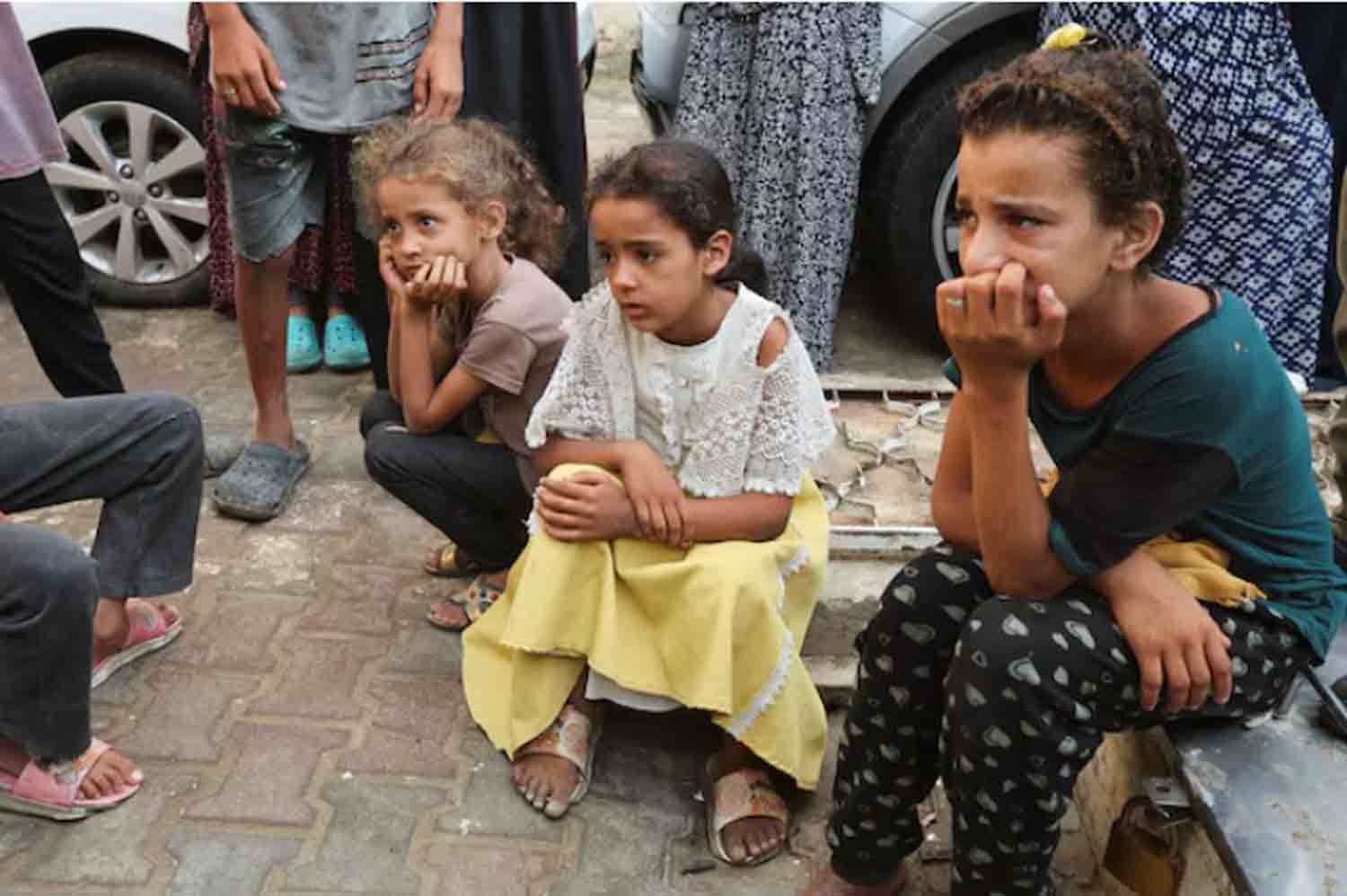
Children at tent camp for displaced people in Gaza

U.S. President Joe Biden is committed to achieving a ceasefire in Gaza and negotiating a hostage agreement with Hamas, while also aiming to reduce tensions along Israel’s border with Lebanon, according to White House national security adviser Jake Sullivan on Tuesday.

“He is fully engaged and has not lost hope,” Sullivan stated during an interview with MSNBC, just hours before Biden’s final address to the UN General Assembly as president.

Biden plans to meet with global leaders in New York to discuss a ceasefire and a hostage resolution in Gaza, with the goal of preventing a broader conflict in the Middle East, Sullivan noted.

He recognized the difficulties in persuading both Israeli Prime Minister Benjamin Netanyahu and Hamas leader Yahya Sinwar to reach an agreement, mentioning that Hamas and Sinwar, in particular, are resistant to negotiations.

“Nonetheless, we are resolute in our efforts,” Sullivan affirmed.

The United States has been actively engaged in efforts to mitigate tensions in the region following Hamas’ assault on Israel from Gaza on October 7, which triggered nearly a year of Israeli military responses in the coastal area.

The ongoing conflict with Hezbollah along Israel’s northern border has experienced fluctuations since October 7, with current tensions rising, according to reports.

However, Sullivan expressed confidence, stating, “We have successfully navigated previous escalations, and I believe there remains an opportunity to pursue de-escalation between Israel and Lebanon, ultimately leading to a diplomatic resolution that enables people to return to their homes.”

Ethiopia worried over arms shipments to Somalia

0
A general view shows the Mogadishu Sea Port after an Egyptian warship docked to deliver a second major cache of weaponry in Mogadishu

Ethiopia’s foreign minister has expressed concerns that the ammunition provided to Somalia may intensify conflict and potentially be redirected to terrorist groups, as reported by the state news agency on Tuesday. This warning followed the arrival of an Egyptian warship in Mogadishu, which delivered heavy weaponry, marking the second arms shipment within a month after Egypt and Somalia established a joint security agreement in August.

Ethiopia, which is landlocked and has deployed thousands of troops in Somalia to combat al Qaeda-affiliated insurgents, has experienced tensions with the Mogadishu government over its plans to develop a port in the self-declared region of Somaliland.

This disagreement has led Somalia to strengthen its ties with Egypt, a country that has had longstanding disputes with Ethiopia regarding the construction of a significant hydroelectric dam on the Nile River’s headwaters.

thiopia’s Foreign Affairs Minister Taye Astke Selassie expressed his concerns regarding the supply of ammunition from “external forces,” warning that it could further destabilize the already fragile security situation and potentially fall into the hands of terrorists in Somalia, as reported by the Ethiopia News Agency.

Somalia’s government has not yet responded to Taye’s comments.

Rashid Abdi, an analyst at the Sahan Research think-tank, noted, “The risk of weapons ending up in the wrong hands is significant. Al Shabaab has been a major beneficiary, acquiring substantial amounts of weaponry through raids on enemy bases in 2023.”

In December, the U.N. Security Council lifted a decades-long arms embargo that had been in place since Somalia descended into civil war over 30 years ago.

In January, Ethiopia reached an agreement to lease a 20 km (12 miles) stretch of coastline from Somaliland, a region of Somalia that has claimed independence and has functioned with a degree of autonomy since 1991, in exchange for potential recognition of its sovereignty.

In retaliation, Somalia threatened to remove Ethiopian troops, who are present as part of a peacekeeping mission and under bilateral agreements, by the end of the year if the port deal was not annulled.


EU’s Borrell states that Lebanon is on the brink of a full-scale war

0

The situation between Israel and Hezbollah in Lebanon is nearing the brink of a full-scale war, according to the European Union’s foreign policy chief.

On Monday, Josep Borrell expressed grave concerns, stating, “This situation is extremely dangerous and worrying. We are on the verge of a full-fledged war.” He emphasized the alarming rise in civilian casualties and the escalating intensity of military actions, questioning what else could be termed a war situation.

Borrell acknowledged that while efforts to de-escalate the conflict are ongoing, the fears of a wider regional conflict are materializing.

He highlighted the heavy toll on civilians and stressed the urgent need for diplomatic initiatives to avert a complete war. “Now is the time in New York for everyone to mobilize their efforts to halt this trajectory towards war,” he urged.

Russian nuclear bombers spotted flying near the coast of Alaska

0

Two Russian TU-95MS strategic bombers, capable of carrying nuclear weapons, conducted a flight over neutral waters of the Bering Sea close to Alaska’s western coastline, as reported by the Russian state news agency TASS on Tuesday, referencing the Defence Ministry.

The ministry indicated that the flight adhered to international regulations and that the bombers were accompanied by fighter aircraft.

Kremlin warns Israeli airstrikes in Lebanon could lead to significant destabilization in the Middle East

0
Smoke billows over southern Lebanon, amid ongoing cross-border hostilities between Hezbollah and Israeli forces

The Kremlin issued a warning on Tuesday regarding the Israeli airstrikes in Lebanon, indicating that these actions could lead to significant destabilization in the Middle East and escalate the ongoing conflict.

On the same day, Israel targeted Hezbollah positions in southern Lebanon, while the Iran-aligned group retaliated by attacking military sites in northern Israel. This occurred shortly after a series of Israeli airstrikes resulted in numerous casualties among Hezbollah forces.

In response to inquiries about the Israeli operations, Kremlin spokesperson Dmitry Peskov stated during a conference call with reporters, “This situation poses a potentially grave threat to the expansion of the conflict and the overall destabilization of the region. Naturally, this raises serious concerns for us.”

Additionally, Russian Foreign Ministry spokesperson Maria Zakharova condemned what she described as “indiscriminate” attacks on Lebanon that endanger civilian lives.

“It is imperative to halt the cycle of violence before the situation escalates beyond control. We urge an immediate end to hostilities,” she emphasized. “We must take all necessary measures to avert a full-scale armed conflict in the Middle East, the dire consequences of which would impact everyone in the region and beyond. We are prepared to collaborate with both international and regional partners to prevent such a disastrous outcome.”

Russia has strengthened its relationship with Iran, a supporter of Hezbollah, following the initiation of its “special military operation” in Ukraine. The country has raised concerns regarding the proportionality of Israel’s airstrikes in Gaza and the resulting civilian casualties, which has led to increased tensions in its relations with Israel.


North Korean leader’s sister strongly criticized the presence of US nuclear submarine in a South Korean port

0
Kim Yo Jong, sister of North Korea's leader Kim Jong Un

Kim Yo Jong, the influential sister of North Korean leader Kim Jong Un, condemned the docking of a U.S. nuclear submarine at the South Korean port of Busan, as reported by state media KCNA on Tuesday. She characterized this event as evidence of U.S. intentions to “deploy its nuclear strategic assets, demonstrate its power, and escalate threats,” according to KCNA.

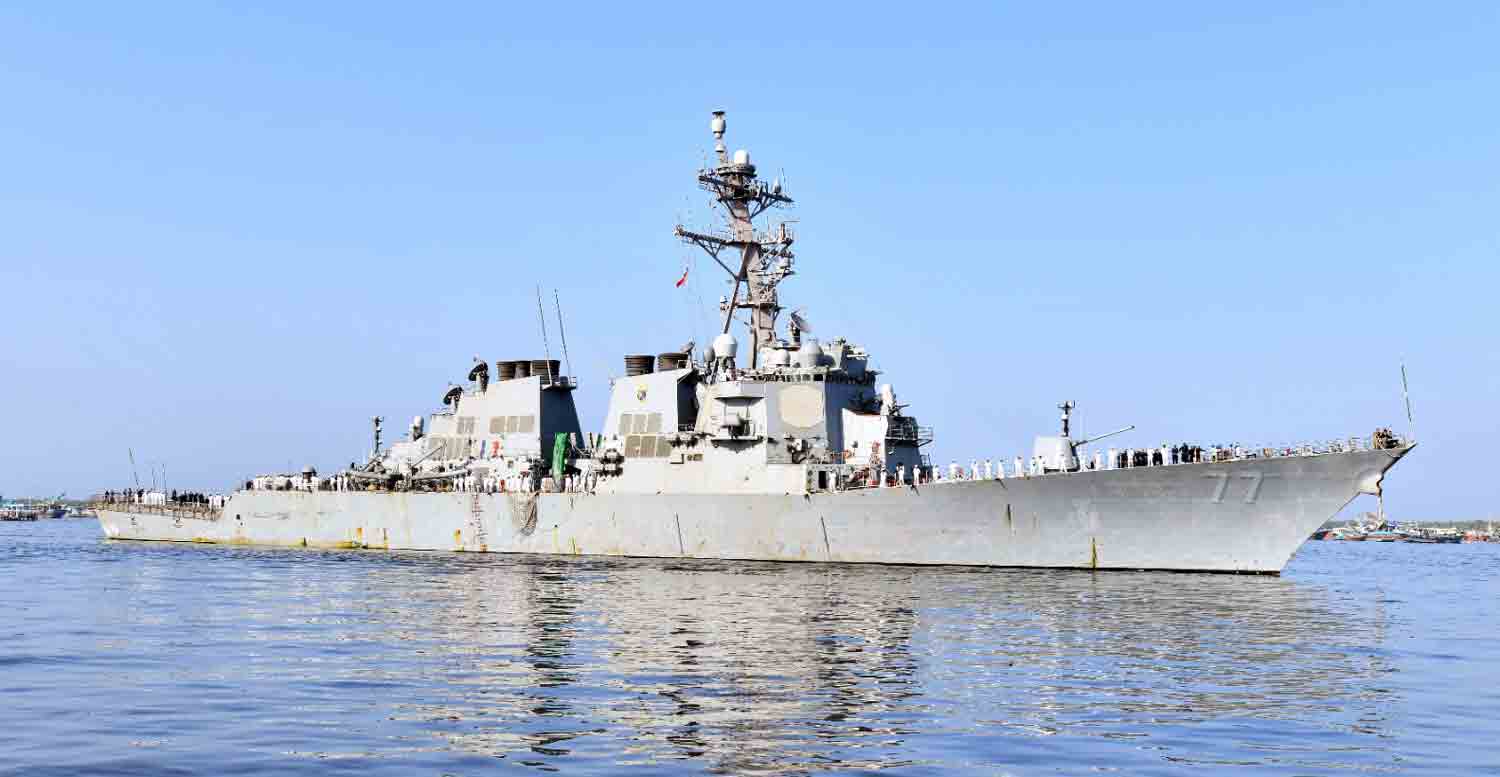
The USS Vermont arrived at the naval base in Busan on Monday for resupply and crew rest, as noted by Yonhap news agency, citing the South Korean navy.

Kim’s comments followed a meeting on Monday involving the foreign ministers of South Korea, the United States, and Japan, which took place on the sidelines of the U.N. General Assembly.

They expressed concerns regarding North Korea’s recent disclosure of its uranium enrichment capabilities and ongoing “illicit” military collaboration with Russia, and they agreed to pursue a trilateral summit within the year, as stated by South Korea’s foreign ministry.

Asked if Russia could change nuclear testing stance Kremlin says: Listen to Putin on Ukraine

0
Russian President Vladimir Putin chairs a meeting

The Kremlin stated on Tuesday that individuals should revisit a warning from President Vladimir Putin, who indicated that the West would be engaging in direct conflict with Russia if Ukraine were permitted to launch strikes on Russian territory using Western-supplied long-range missiles. This remark was made during a conference call when questioned about whether allowing Kyiv to conduct such strikes could lead Moscow to reconsider its approach to nuclear testing.

Putin’s chief advisor on arms control mentioned on Monday that Russia would not conduct nuclear tests as long as the United States abstains from doing so, following speculation that the Kremlin might lift its post-Soviet moratorium on nuclear testing.

Kremlin spokesman Dmitry Peskov emphasized, “I urge you to revisit and review the statements made by the president regarding the potential authorization for the use of Western weaponry deep within Russian territory,” in response to inquiries about whether the stance articulated by Ryabkov could be altered.

The remarks made by the president during his address in St. Petersburg clearly articulate the stance of the Russian Federation.

On September 12, Putin stated:
“If this decision regarding missiles is made, it will signify nothing less than the direct involvement of NATO nations, including the United States and European countries, in the conflict in Ukraine. This would represent their direct participation, fundamentally altering the nature of the conflict.”

He indicated that Russia would be compelled to implement what he referred to as “appropriate decisions” in response to these new threats.

While he did not specify what these measures might entail, he has previously mentioned the possibility of supplying Russian weaponry to adversaries of the West for strikes against Western targets abroad. In June, he also discussed the potential deployment of conventional missiles within range of the United States and its European allies.

As the largest nuclear power globally, Russia is currently reassessing its nuclear doctrine, particularly the conditions under which it would consider using nuclear weapons.


Russia and China deploy warships to Okhotsk Sea for military exercises

0

A contingent of warships from Russia’s Pacific Fleet, along with vessels from the Chinese Navy, has entered the Sea of Okhotsk in the western Pacific for joint naval exercises, as reported by Russia’s Interfax agency on Tuesday, referencing the Pacific Fleet’s press service.

According to Interfax, the detachment engaged in various activities during their maritime operations, including coordinated maneuvers, countering simulated unmanned vessels, and conducting reconnaissance and surface monitoring with the assistance of deck helicopters.

On Saturday, Russia announced the commencement of the joint naval exercise “Beibu/Interaction – 2024,” which will feature anti-aircraft and anti-submarine capabilities. The drills involve significant Russian assets, including the large anti-submarine destroyers Admiral Panteleyev and Admiral Tributs, as well as corvettes MPK-82 and MPK-107.

China’s participation includes the destroyers Xining and Wuxi, the frigate Linyi, and the integrated supply ship Taihu, as noted by the agency.

The vessels will engage in artillery exercises and utilize anti-submarine and anti-aircraft weapon systems as part of a coordinated strategy, according to Interfax.

The Sea of Okhotsk, situated in the western Pacific Ocean, lies between Russia’s Kamchatka Peninsula to the east, the Kuril Islands to the southeast, and Japan’s Hokkaido Island to the south.

Decisive actions of the US can speed up the end of war in Ukraine, President Zelensky says

0
Ukraine's President Volodymyr Zelenskiy appears at a joint press conference

Decisive measures taken by the United States at this juncture could accelerate the conclusion of the Russian conflict in Ukraine next year, stated President Volodymyr Zelenskiy on Monday. He conveyed to ABC News that Ukraine is “closer to the end of the war.”

“As we approach the year’s end, we have a significant opportunity to enhance collaboration between Ukraine and the United States,” Zelenskiy remarked in a post on his Telegram messaging app following a meeting with a bipartisan U.S. Congressional delegation.

“Taking decisive action now could expedite the rightful conclusion of Russian aggression against Ukraine in the coming year.”

Zelenskiy is currently in the United States for the U.N. General Assembly and will later head to Washington to present his “victory plan,” aiming to shape White House policy regarding the war, irrespective of the outcome of the U.S. elections on November 5.

On Monday, Republican presidential candidate Donald Trump, who asserts he could resolve the conflict within days if elected, made unsubstantiated claims that Zelenskiy preferred a Democratic victory in November.

The presidential office in Kyiv has not yet provided a response to a request for comment; however, Zelenskiy has expressed his readiness to collaborate with any individual in the White House. In an interview with ABC News, he emphasized the importance of ongoing support from Washington and other allies for Ukraine.

The United States and its partners have implemented a multi-billion dollar aid initiative for Ukraine and have enacted multiple rounds of sanctions against Moscow. “I believe we are nearer to peace than we realize,” he stated. “We are closer to concluding the war.”

The comprehensive invasion of Ukraine by Russia, referred to as a “special military operation” by Moscow, commenced in February 2022. This conflict has resulted in the deaths of thousands, displaced millions, and reduced numerous Ukrainian towns and cities to ruins.

In an interview with ABC, the Ukrainian president emphasized that Ukraine can only compel Russian President Vladimir Putin to “stop the war” from a position of strength. While Zelenskiy has been largely reticent about his “victory plan,” he has indicated that it will serve as a “bridge” to a second peace summit led by Ukraine, which Kyiv aims to host and extend an invitation to Russia later this year.

Andriy Yermak, the chief of staff to the Ukrainian president, stated in New York on Monday that the plan includes expedited NATO membership for Ukraine, a move that Moscow has firmly opposed. Putin has asserted that peace negotiations can only commence if Kyiv relinquishes significant portions of eastern and southern Ukraine to Russia and abandons its aspirations for NATO membership. Zelenskiy has consistently called for the withdrawal of all Russian forces and the restoration of Ukraine’s post-Soviet borders.

Currently, Russia occupies approximately 20% of Ukrainian territory and has been making advances in the east, capturing a series of settlements in its effort to control the entire Donbas region. In a strategic counteroffensive, Ukrainian forces launched an attack into Russia’s western Kursk region on August 6 and continue to hold several villages on Russian territory.

Zelenskiy remarked to ABC News that the Kursk operation revealed vulnerabilities in Putin’s stance, despite the ongoing Russian military advances in Donbas. “He is very afraid,” he stated. “Why? Because his people have seen that he cannot defend – that he cannot protect all his territory.”

Ukraine and its Western allies contend that Russia is conducting an imperial-style war, while Putin characterizes the invasion of Ukraine as a defensive action against a hostile and aggressive West.


Tayyip Erdogan urges the United States to lift sanctions

0

Turkish President Tayyip Erdogan has urged the United States to lift sanctions that restrict certain defense purchases by Turkey, as well as other unilateral measures that impede the NATO allies’ ability to achieve long-term bilateral trade objectives.

Relations between the two nations have been strained in recent years due to various issues, including differing policies in the eastern Mediterranean, Syria, and Gaza, as well as Turkey’s acquisition of Russian S-400 air defense systems. This purchase led to U.S. sanctions and Turkey’s exclusion from the F-35 fighter jet program in 2019.

Subsequently, Turkey sought to acquire 40 Block-70 F-16 fighter jets and 79 modernization kits from the U.S. This deal was approved following Turkey’s support for Sweden’s NATO application, which contributed to an improvement in bilateral relations. Both Ankara and Washington aim to increase their bilateral trade from approximately $30 billion in 2023 to a target of $100 billion.

During his visit to New York for the U.N. General Assembly, Erdogan addressed Turkish and American business leaders, expressing confidence that the trade goal is achievable. However, he noted that collaboration in the defense sector has not reached its full potential due to ongoing restrictions.

Erdogan stated on Monday that unilateral measures such as additional tariffs on iron, steel, and aluminum, as well as probes and the sanctions imposed under the Countering America’s Adversaries Through Sanctions Act (CAATSA), should be discontinued. He expressed optimism regarding the F-16 modernization project, anticipating the permanent removal of export restrictions in this area.

He highlighted Turkey’s strategic position in supply chains, using the collaboration on the production and procurement of 155mm ammunition—crucial in the Ukraine-Russia conflict—as a key example.

While Turkey supports Ukraine, it has opposed the sanctions, asserting that they will not be bypassed on Turkish territory. In addition to the F-16s, Turkey has shown interest in acquiring Eurofighter Typhoon jets from Germany, Britain, and Spain, although it has raised concerns about the slow progress due to Germany’s hesitance.

Erdogan’s office reported that he met with German Chancellor Olaf Scholz in New York on Monday, where he expressed Turkey’s willingness to enhance cooperation across various sectors and explore joint opportunities that would be mutually beneficial.

China is the biggest source of foreign technology in Russian weapons, Ukraine alleges

0
Members of police demining unit remove a warhead from a Russian kamikaze unmanned aerial vehicle landed by a radio electronic warfare during one of latest drone strikes, amid Russia's attack on Ukraine.

Approximately 60% of the foreign components utilized in Russian weaponry on the Ukrainian battlefield are sourced from China, as reported by Ukraine’s presidential adviser Vladyslav Vlasiuk on Tuesday.

“When assessing the various types of weapons and their foreign-made parts, around 60% can be traced back to China. We have engaged in extensive discussions with several manufacturers regarding this issue,” Vlasiuk stated.

“I would identify the People’s Republic of China as the primary concern.”

He also noted that significant components for surveillance systems, drones, and missiles have been sourced from the United States, the Netherlands, Japan, Switzerland, and other Western nations.

Since launching a full-scale invasion of Ukraine in 2022, Russia has managed to sustain its military capabilities with Western microchips and semiconductors, despite facing extensive sanctions from the West.

Why is West Africa becoming a hot spot of terrorism?

0
Why is West Africa becoming a hot spot of terrorism?

Weeks after infiltrating Mali’s capital unnoticed, the jihadis launched their attack just before dawn prayers. They targeted an elite police training academy, resulting in the deaths of numerous students, and proceeded to storm Bamako’s airport, where they set the presidential jet ablaze.

The assault on September 17 marked the most audacious attack in a Sahel capital since 2016, highlighting the capabilities of jihadist groups affiliated with al Qaeda or the Islamic State. These groups, which have primarily conducted rural insurgencies leading to the deaths of thousands and the displacement of millions in Burkina Faso, Mali, and Niger, demonstrated their ability to strike at the center of power.

While conflicts in Ukraine, the Middle East, and Sudan dominate global news, the ongoing turmoil in the Sahel is contributing to a significant increase in migration towards Europe. This surge occurs amid a rise in anti-immigrant sentiments and tightening borders in several EU countries. The U.N.’s International Organization for Migration (IOM) reports that the route from West African coastal nations to Spain’s Canary Islands has seen the most significant increase in migration numbers this year.

Data from the International Organization for Migration indicates that the number of migrants arriving in Europe from Sahel nations—specifically Burkina Faso, Chad, Mali, Mauritania, Niger, Nigeria, and Senegal—has surged by 62%, reaching 17,300 in the first half of 2024, compared to 10,700 during the same period last year. This increase has been attributed by both the United Nations and the IOM to ongoing conflicts and the impacts of climate change.

Fifteen diplomats and experts informed Reuters that the extensive areas controlled by jihadist groups pose a significant risk of becoming training sites and launching points for further attacks on major urban centers like Bamako, as well as on neighboring countries and Western interests in the region and beyond.

The severe impact of jihadist violence, particularly on government forces, has been a critical factor in the series of military coups that have occurred since 2020, targeting Western-supported governments in Burkina Faso, Mali, and Niger, which are central to the Sahel region. The military regimes that have taken over have shifted their reliance from French and U.S. military support to Russian assistance, primarily from the Wagner Group, yet they continue to face territorial losses.

Caleb Weiss, an editor at the Long War Journal and a specialist in jihadist movements, expressed skepticism about the longevity of the regimes in Mali, Niger, and Burkina Faso. “I don’t believe these governments can sustain themselves indefinitely. Sooner or later, one will collapse or lose significant territory, which has already occurred in Burkina Faso,” he stated. He warned that this could lead to the emergence of a jihadi state or multiple such entities in the Sahel region.

Western nations that previously committed resources to combat jihadist threats now find their operational capacity severely diminished, particularly after Niger’s junta expelled U.S. forces from a major drone base in Agadez last year. U.S. military personnel and the CIA had utilized drones for tracking jihadists and collaborated with allies like France, which conducted airstrikes against these militants, as well as with West African military forces.

However, tensions arose when U.S. officials refused to share intelligence with Niger’s coup leaders and cautioned against their engagement with Russian entities, leading to their expulsion. The U.S. is currently seeking alternative locations to reposition its assets.

Wassim Nasr, a senior research fellow at The Soufan Center in New York, noted that no other entities have stepped in to provide effective air surveillance or support, allowing jihadists to operate with relative freedom across these three nations. A Reuters analysis of data from the Armed Conflict Location & Event Data (ACLED) revealed that violent incidents involving jihadist groups in Burkina Faso, Mali, and Niger have nearly doubled since 2021. This year alone has seen an average of 224 attacks per month, a significant increase from 128 in 2021.

Insa Moussa Ba Sane, the regional migration and displacement coordinator for the International Federation of the Red Cross, highlighted that conflict is a primary driver of increased migration from the West African coast, with a notable rise in the number of women and families observed along migration routes.

Conflicts are fundamentally intertwined with the challenges posed by climate change, leading to increased violence and a significant migration from rural to urban areas, he explained. In Burkina Faso, which is among the most severely impacted regions, jihadists linked to al Qaeda killed hundreds of civilians in a single day on August 24 in Barsalogho, located two hours from the capital, Ouagadougou.

According to the Institute for Economics and Peace (IEP) in Sydney, Burkina Faso has reached the top of its Global Terrorism Index for the first time this year, with a staggering 68% increase in fatalities, totaling 1,907—representing a quarter of all terrorism-related deaths globally. The United Nations has reported that approximately half of Burkina Faso is now outside government control, contributing to escalating displacement rates.

“The two major veteran terrorist groups are expanding their influence. The threat is becoming more widespread,” stated Seidik Abba, president of the CIRES think tank in Paris, referring to al Qaeda and the Islamic State. A U.N. expert panel monitoring these organizations estimates that JNIM, the al Qaeda-affiliated group most active in the Sahel, has between 5,000 and 6,000 fighters, while 2,000 to 3,000 militants are associated with the Islamic State.

“Their stated objective is to impose Islamic governance,” noted Nasr from The Soufan Center. Jihadists employ a combination of coercion and the provision of essential services, such as local courts, to establish their governance systems in rural areas that have long felt neglected by ineffective and corrupt central authorities.

“Join us. We will spare your family. We will assist you and provide financial support,” recounted a man from Mali, reflecting on his experiences as a teenager with jihadists who attacked his village. “But they are untrustworthy, as they kill your friends right before your eyes.” The young man escaped to the Canary Islands last year before relocating to Barcelona, choosing to remain anonymous due to concerns for the safety of family members still in Mali.

Jihadi groups are active in various regions, occasionally engaging in conflicts with one another, although they have also formed localized non-aggression agreements, according to reports from U.N. experts. These groups receive financial backing, training, and strategic direction from their global leaders, while also imposing taxes in the territories they control and capturing weapons following confrontations with government forces, the reports indicate.

European nations are split on their approach to the ongoing conflict. Southern European countries, which bear the brunt of migrant arrivals, prefer to maintain dialogue with the ruling juntas, whereas others oppose this due to concerns regarding human rights and democratic principles, as noted by nine diplomats in the area. An African diplomat emphasized the necessity for the EU to stay involved, as the migration issue is unlikely to resolve itself.

Even if a consensus were reached among European nations, they would still face challenges due to insufficient military capabilities and strained political ties, as Sahelian countries are resistant to Western involvement, according to the diplomats. General Ron Smits, head of the Dutch Special Forces, remarked, “We do not have any influence in those countries on extremist groups.”

Western powers are also apprehensive about the possibility of the Sahel evolving into a stronghold for global jihad, reminiscent of Afghanistan or Libya in previous decades. General Michael Langley, head of U.S. Africa Command, stated that “all these violent extremist organizations do have aspirations of attacking the United States.” However, other officials and analysts contend that these groups have not expressed intentions to target Europe or the U.S. thus far.

Will Linder, a former CIA officer who now leads a risk consultancy, pointed out that the recent attacks in Bamako and Barsalogho illustrate the inadequacy of the juntas’ security measures in Mali and Burkina Faso. He asserted, “The leadership of both countries really need new strategies for countering their jihadist insurgencies.”

Iran’s president cautions a broader regional conflict could lead to consequences that are ‘irreversible’

0

Israel is attempting to escalate tensions in the Middle East by provoking Iran to engage in the ongoing conflict with Hezbollah, which is supported by Tehran, according to Iran’s president. He cautioned that such actions could lead to “irreversible” consequences.

Masoud Pezeshkian made these remarks to journalists upon his arrival in New York for the United Nations General Assembly. He stated, “We do not wish to be the cause of instability in the Middle East, as the repercussions would be irreversible.”

He emphasized, “We desire peace and do not seek war. It is Israel that aims to instigate this widespread conflict.” Pezeshkian, a moderate politician elected in July with a commitment to a pragmatic foreign policy, criticized the international community for its silence regarding what he termed “Israel’s genocide” in Gaza.

His appeal for a dialogue-based resolution to the Middle East conflict followed a significant escalation, as Israel conducted a series of air strikes against Hezbollah, marking the deadliest day in Lebanon in nearly a year of hostilities involving the group backed by Tehran.

Pezeshkian stated, “We will support any group that is standing up for its rights and self-defense,” when questioned about Iran’s potential involvement in the Israel-Hezbollah conflict. He did not provide further details.

Josep Borrell, the European Union’s foreign policy chief, who is also in New York, characterized the situation as approaching a full-scale war. He called on global leaders to take all necessary actions to prevent escalation, emphasizing, “Now is the time to act here in New York.”

The ongoing exchanges of fire between Israeli forces and Hezbollah have led to the displacement of tens of thousands from communities on both sides of the border. Israel has expressed a preference for a diplomatic resolution that would see Hezbollah retreat further from the border.

Conversely, Hezbollah, which claims to seek to avoid a broader conflict, asserts that the fighting will only cease with an end to the war in Gaza. Efforts for a ceasefire in Gaza remain stalled after months of unsuccessful negotiations facilitated by Qatar, Egypt, and the United States.

Iran’s regional strategy is primarily shaped by the elite Revolutionary Guards, who are accountable solely to Supreme Leader Ayatollah Ali Khamenei, the nation’s highest authority. Since assuming office last month, Pezeshkian has consistently reiterated Iran’s opposition to Israel and its backing of resistance movements throughout the region.

When questioned about potential retaliation for the assassination of Hamas leader Ismail Haniyeh on Iranian territory in late July, Pezeshkian stated, “We will respond at the appropriate time and place, in an appropriate manner.” The killing of Haniyeh, which both Tehran and Hamas attribute to Israel, has heightened concerns of a direct confrontation between Tehran and its longstanding adversary, Israel, particularly in light of the ongoing conflict in Gaza and escalating tensions in Lebanon.

The Revolutionary Guards and Khamenei have promised “severe” retribution for Haniyeh’s assassination, which occurred during his visit to Tehran. However, Tehran has refrained from immediate retaliation against Israel, which has neither confirmed nor denied its involvement in the incident.

In August, three senior Iranian officials informed Reuters that Tehran has been engaged in extensive discussions with Western nations and the United States to carefully plan its response to Israel regarding Haniyeh’s death.

Pezeshkian remarked, “We were informed that a ceasefire agreement between Israel and Iran-backed Hamas would be reached within a week, but that week has yet to arrive, and instead, Israel has continued to escalate its attacks.”

Senior U.N. officials on Gaza: ‘These acts of violence must cease’

0
Children at tent camp for displaced people in Gaza

United Nations officials expressed urgent calls on Monday for an immediate cessation of the severe human suffering and humanitarian crisis in the Gaza Strip, nearly a year into the conflict between Israel and Hamas.

In a statement endorsed by the leaders of various U.N. agencies, including UNICEF and the World Food Programme, as well as other humanitarian organizations, they declared, “These atrocities must come to an end,” coinciding with the gathering of global leaders in New York for the annual U.N. General Assembly.

They emphasized the necessity for humanitarian workers to have safe and unrestricted access to those in need, stating, “We cannot fulfill our responsibilities amidst such overwhelming need and persistent violence.”

The U.N. has consistently raised concerns regarding the challenges faced in delivering aid to Gaza during the ongoing conflict and the difficulties in distribution amid what they describe as “total lawlessness” in the besieged region. Tragically, nearly 300 humanitarian aid workers have lost their lives, with over two-thirds being U.N. personnel.

The United Nations officials reported that the threat of famine continues, with 2.1 million residents urgently requiring food and livelihood support due to ongoing restrictions on humanitarian access. They noted that the healthcare system has been severely impacted, with over 500 documented attacks on medical facilities in Gaza.

The conflict in the Palestinian territory escalated on October 7, 2023, when Hamas militants infiltrated Israeli communities, resulting in approximately 1,200 fatalities and around 250 individuals taken hostage to Gaza, as per Israeli reports.

In response, the Israeli military has conducted extensive operations in the Palestinian enclave, displacing nearly all of its 2.3 million inhabitants and leading to widespread hunger and disease, with Palestinian health authorities reporting over 41,000 deaths, without differentiating between combatants and civilians.

The Israeli military asserts that it implements measures to minimize civilian casualties, claiming that at least one-third of the reported Palestinian deaths are militants. They accuse Hamas of employing Palestinian civilians as human shields, a claim that Hamas refutes.