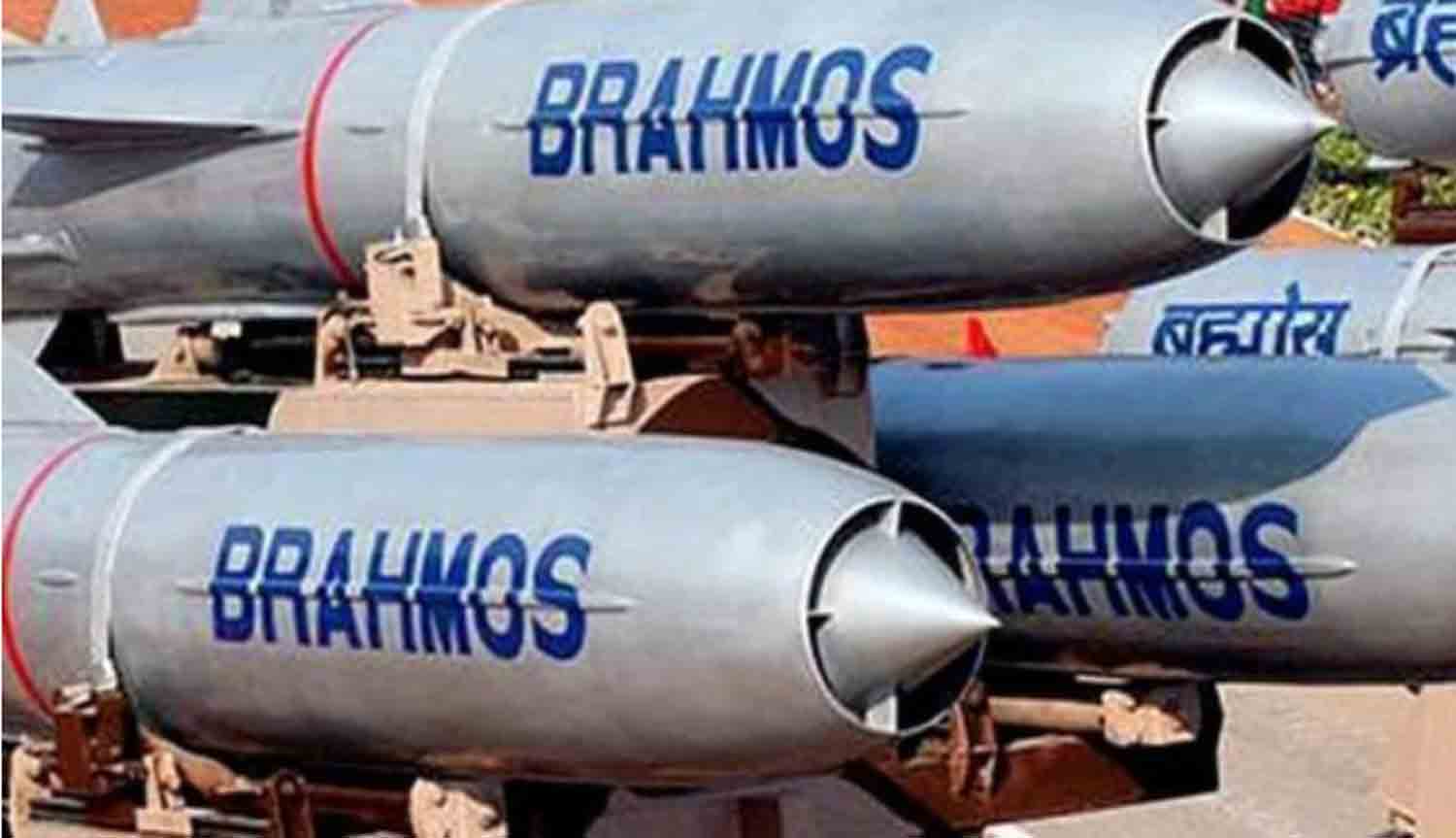
India is considering adopting a new 800-kilometer version of the BrahMos cruise missile, a move that could significantly expand its long-range precision strike capability.
At present, most of the Indian Army’s BrahMos missile inventory has a range of just over 450 kilometers. The proposed extended-range version would nearly double that reach, enabling India to strike targets deep inside enemy territory while remaining outside hostile air defense coverage.
This would strengthen India’s stand-off strike doctrine, allowing attacks on high-value military assets such as air bases, radar stations, command centers, and logistics hubs without exposing aircraft or forward units to direct risk.
DRDO and Russia Joint Development
The upgraded missile is being developed by Defence Research and Development Organisation (DRDO) in collaboration with Russia’s NPO Mashinostroyeniya, continuing the long-standing India-Russia partnership behind the BrahMos program.
Despite the extended range, the missile is expected to retain one of its most important operational advantages — its supersonic speed of around Mach 3, making it one of the fastest cruise missiles currently in service.
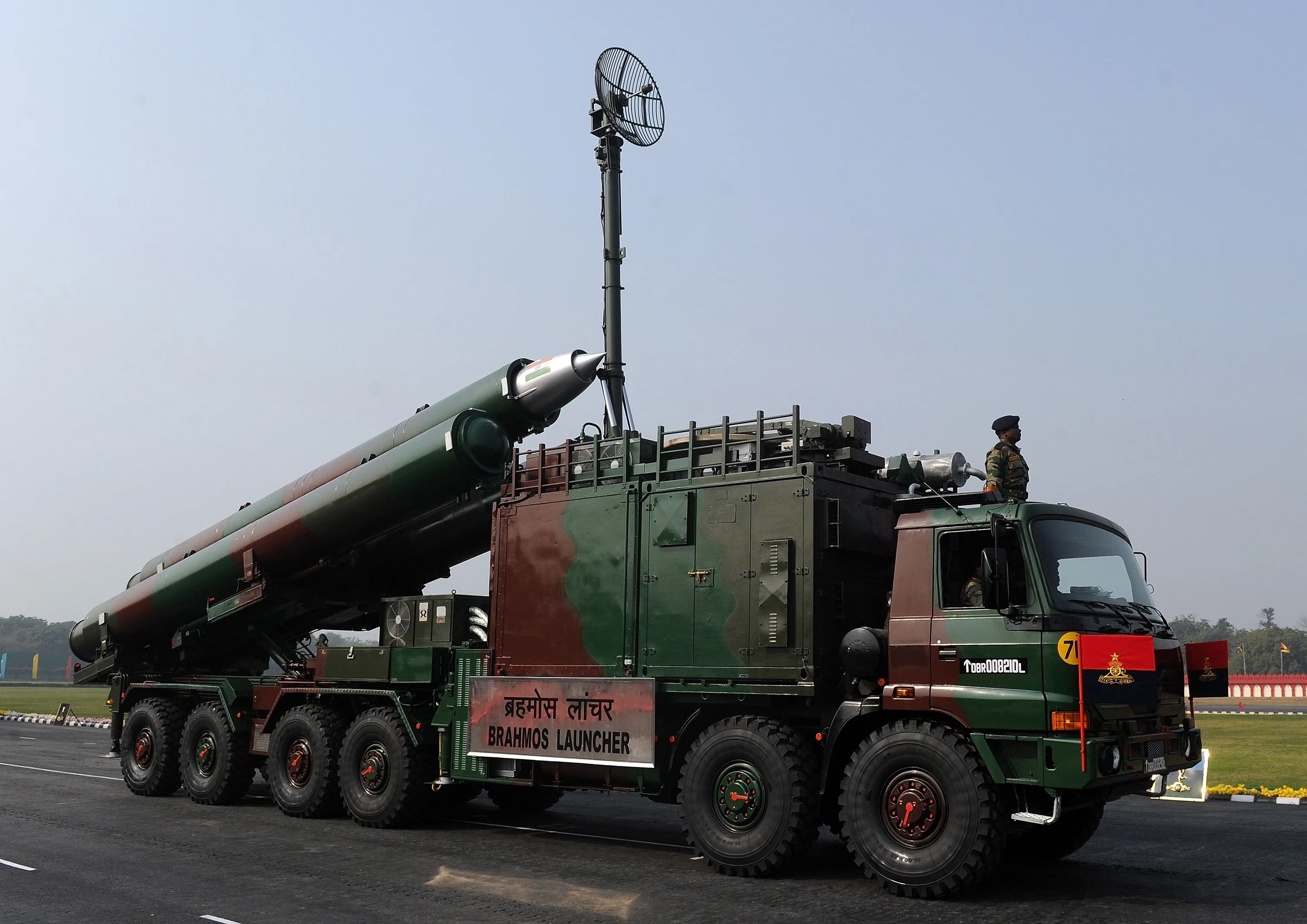
Its high speed, combined with low-altitude flight and precision guidance, makes it particularly difficult for enemy air defense systems to intercept.
Defence Acquisition Council Discussion
The procurement of the 800-kilometer BrahMos version was expected to be discussed at a meeting of the Defence Acquisition Council (DAC), chaired by Rajnath Singh.
Although India approved approximately $25 billion worth of defense orders on March 27, the missile has not yet been officially included in the final approved list, according to available reports.
This suggests that while the proposal remains under active consideration, no formal procurement clearance has yet been announced.
Renewed Focus After 2025 India-Pakistan Clashes
The BrahMos missile drew particular attention during the May 2025 India-Pakistan clashes.
The experience appears to have reinforced the importance of long-range precision strike systems in India’s defense calculations, particularly in scenarios where stand-off capability can reduce risks to combat aircraft and frontline troops.
History of the BrahMos Program
The BrahMos project began in the late 1990s as a joint India-Russia venture.
Its name combines two rivers:
- India’s Brahmaputra River
- Russia’s Moskva River
The first successful tests took place in 2001.
Since then, the missile has been adapted for launch from multiple platforms, including:
- land-based mobile launchers
- warships
- submarines
- Sukhoi Su-30MKI aircraft

This multi-platform flexibility has made BrahMos one of India’s most important strategic missile systems.
Missile Specifications
The missile weighs approximately 3 tons and can carry a warhead of up to 300 kilograms.
Powered by a ramjet engine, it maintains supersonic speed throughout its flight path, unlike subsonic cruise missiles that are easier to track and intercept.
This sustained speed is one of the key reasons it is considered a difficult target for modern missile defense systems.