The escalating war involving Iran, Israel and the United States is approaching its two-week mark with no signs of de-escalation, as leaders on all sides have vowed to continue military operations despite rising casualties and growing economic shock across global markets.
The conflict, which began on February 28 with coordinated U.S. and Israeli strikes against Iranian targets, has already killed thousands of people and disrupted energy markets worldwide.
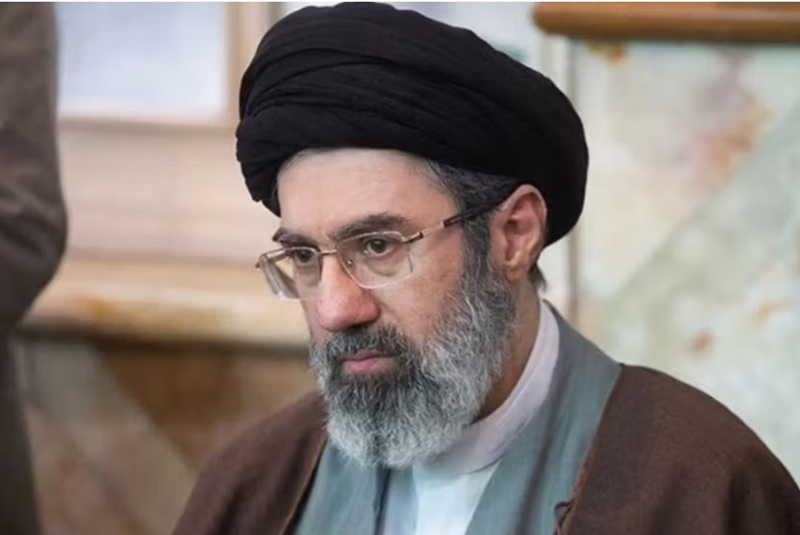
Mojtaba Khamenei Issues First Statement
Iran’s newly appointed Supreme Leader Mojtaba Khamenei delivered his first public message since assuming power following the death of his father during the initial strikes.
His statement was read by a television presenter rather than delivered in person, raising questions about his condition after Iranian officials reported that he had been lightly wounded during early attacks.
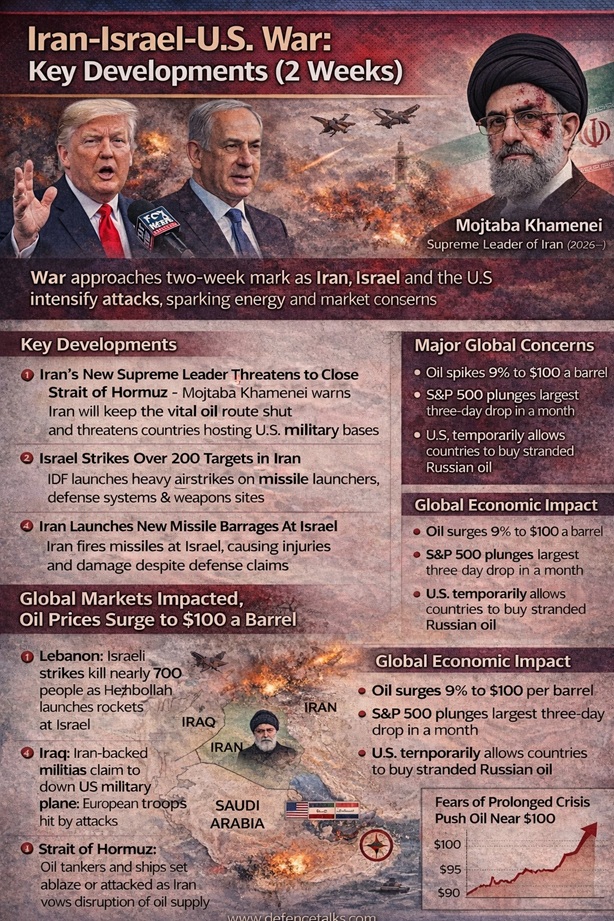
In the message, Khamenei vowed that Iran would continue resisting its enemies and warned that the Strait of Hormuz would remain closed, threatening global oil supply routes.
He also urged neighboring countries to shut down U.S. military bases on their territory or risk Iranian retaliation.
“I assure everyone that we will not neglect avenging the blood of your martyrs,” Khamenei said in the statement.
Netanyahu Signals Regime Change Pressure
Israeli Prime Minister Benjamin Netanyahu held his first press conference since the war began, defending Israel’s military campaign and suggesting that the conflict could eventually lead to political change inside Iran.
“We are creating the optimal conditions for toppling the regime,” Netanyahu said, though he acknowledged that any government collapse would ultimately come from within Iran.
The Israeli Defense Forces (IDF) said its air force struck more than 200 targets in western and central Iran within 24 hours, including missile launchers, air defense systems and weapons production facilities.
The strikes are part of Israel’s campaign known as Operation Roar of the Lion.
Iran Launches Missile Barrages
Despite earlier claims that Iranian missile capabilities had been severely degraded, Iran launched another barrage of missiles toward Israel overnight.
Israeli emergency services reported that 58 people were taken to hospitals, most suffering minor injuries caused by shattered glass from explosions and interceptions.
Debris from missile interceptions also caused minor damage to a building in Dubai, while Saudi Arabia reported intercepting two drones in its eastern region.
Conflict Spreads Across the Region
The war has increasingly expanded beyond Iran and Israel.
In Lebanon, Israeli strikes targeting Hezbollah have reportedly killed hundreds of people, while tensions have escalated in Iraq where Iran-aligned militias claimed responsibility for downing a U.S. aircraft involved in refueling operations.
European forces have also been affected. French President Emmanuel Macron said one French soldier was killed and several others wounded during an attack in northern Iraq.
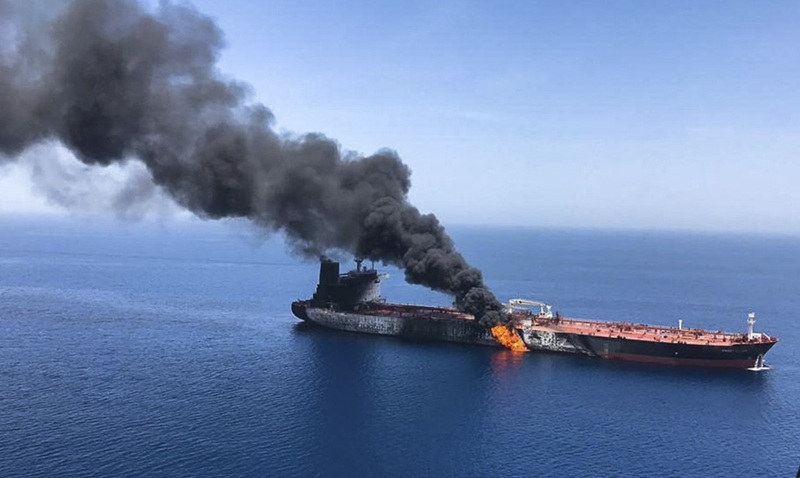
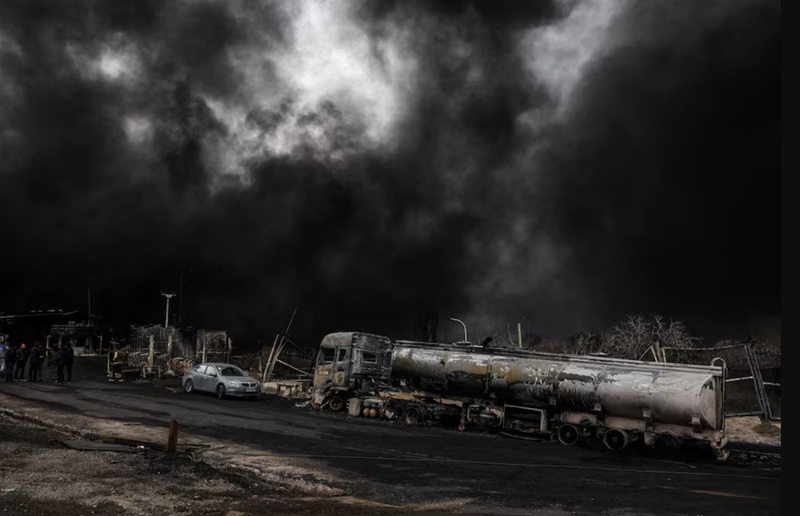
Meanwhile, ships in the Persian Gulf have been targeted by explosive drones and naval attacks, including two tankers that were set ablaze at Iraq’s Basra port earlier in the week.
Global Markets React to War
The escalating conflict has already begun to shake global financial markets.
Oil prices surged around 9% to approximately $100 per barrel, reflecting fears that prolonged disruption could threaten energy supplies passing through the Strait of Hormuz.
The S&P 500 recorded its largest three-day drop in a month, while Asian markets also fell amid concerns that the conflict could trigger a wider economic shock.
In response, the United States issued a temporary 30-day license allowing countries to purchase Russian oil cargoes currently stranded at sea in an attempt to stabilize supply.
Trump Defends War Strategy
U.S. President Donald Trump said the United States and Israel were achieving major military success and insisted the conflict would ultimately benefit the American economy.
Trump argued that rising oil prices could generate increased revenue for the United States, the world’s largest oil producer.
“The United States is the largest oil producer in the world, by far, so when oil prices go up, we make a lot of money,” Trump said in social media comments.
However, opposition Democrats criticized the administration, demanding more transparency about civilian casualties and questioning the long-term strategy for Iran after the war ends.
Rising Civilian Impact
The conflict has had a devastating humanitarian toll.
More than 2,000 people have been killed, most of them in Iran, while millions across the region have seen their daily lives disrupted by missile strikes, military activity and economic instability.
Inside Iran, residents report a heavy presence of security forces in major cities as the government attempts to maintain control while the country remains under attack.
Energy Shock Strategy
Iranian officials have indicated that their strategy may involve prolonged economic disruption aimed at forcing Washington to reconsider its military campaign.
Some Iranian military representatives have warned that global oil prices could potentially reach $200 per barrel if the conflict continues.
U.S. officials say such a scenario is unlikely but have not ruled it out.