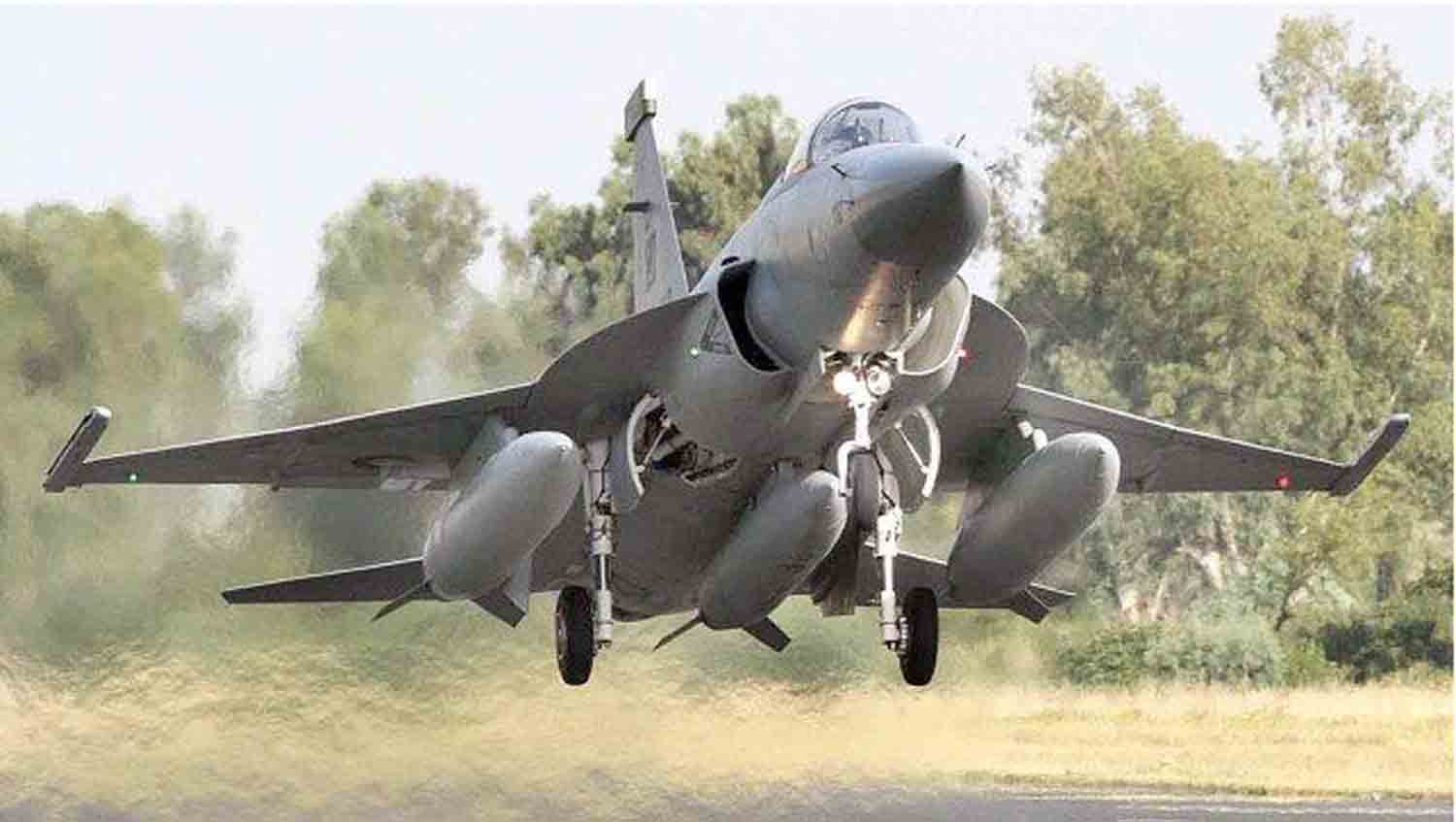
The JF-17 Thunder, jointly developed by Pakistan and China, is entering a critical phase of its evolution. As modern air combat demands greater power, reliability, and political autonomy, Pakistan is preparing to replace the Russian RD-93 engine with China’s WS-13E turbofan in future variants.
This move signals more than a routine upgrade—it reflects Pakistan Air Force’s (PAF) intent to eliminate foreign leverage, reduce lifecycle costs, and future-proof its frontline fighter fleet.
RD-93 vs WS-13E: The Engine Shift Explained Simply
At the heart of the JF-17’s transformation is the engine—its most critical component.
What the RD-93 Delivered
The RD-93 served as a dependable powerplant during the JF-17’s early years, enabling rapid induction and operational maturity. However, its limitations are now increasingly evident:
- Political constraints tied to Russian re-export approval
- Shorter service life and frequent overhauls
- Higher maintenance workload
What the WS-13E Brings
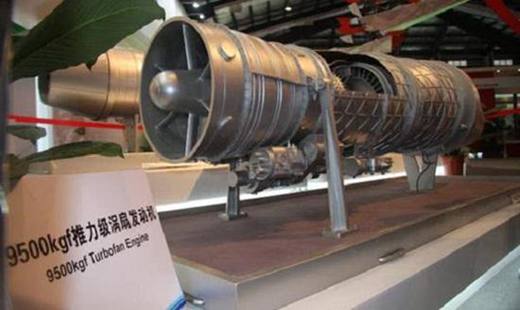
The WS-13E is designed to overcome these challenges:
- Higher thrust for improved acceleration and payload
- Longer engine life, reducing downtime
- Lower maintenance requirements
- Zero third-party export restrictions
For Pakistan, this translates into greater control, reliability, and combat readiness.
Why Pakistan Is Moving Away from Russian Engines
Strategic Autonomy Comes First
Russia’s requirement for export clearance on RD-93 engines has long posed a strategic risk. Any disruption—political or diplomatic—could affect fleet availability or export deals.
By adopting the WS-13E, Pakistan gains:
- Full sovereignty over production and upgrades
- Faster export approvals for JF-17 customers
- Reduced exposure to sanctions or geopolitical pressure
A Performance Boost for JF-17 Block III
The engine upgrade is particularly critical for JF-17 Block III, which introduces:
- AESA radar
- Advanced electronic warfare systems
- Modern beyond-visual-range (BVR) missiles
These systems increase aircraft weight and power demand. The WS-13E provides the thrust margin needed to support them without sacrificing agility or range.
Why WS-13E Is Ready Now—but Wasn’t Before
Early WS-13 variants faced developmental hurdles, including vibration control and material fatigue. Over time, China addressed these issues through:
- Improved metallurgy
- Extensive ground and flight testing
- Design refinements focused on durability
The WS-13E represents a mature and operationally viable solution, cleared for frontline service.
What This Means for Pakistan Air Force
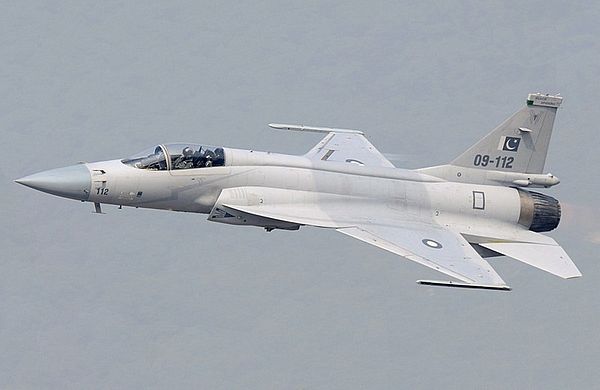
Operational Impact
- Better high-altitude performance
- Improved hot-weather operations
- Higher aircraft availability rates
Economic Impact
- Lower lifecycle and maintenance costs
- Reduced dependence on foreign spares
- Streamlined logistics
Export Impact
- Politically risk-free sales
- Greater appeal to developing air forces
- Stronger long-term support guarantees
Will Older JF-17s Get the New Engine?
- Block I & II: Expected to continue with RD-93
- Block III & future production: Likely WS-13E-powered
- Retrofitting older airframes remains technically possible but not confirmed
The Bigger Picture
The RD-93-to-WS-13E transition underscores Pakistan’s broader defense strategy: indigenization, autonomy, and sustainability. As air warfare becomes more technologically demanding, control over core systems like engines is no longer optional—it is essential.
Conclusion
The JF-17’s engine upgrade is a turning point. By shifting to the WS-13E, Pakistan Air Force strengthens its operational independence, enhances combat performance, and ensures the JF-17 remains relevant in an increasingly competitive fighter landscape.
For Pakistan, this is not just an upgrade—it’s a strategic recalibration.