The United States may consider deploying its ultra-secretive RQ-180 White Bat in any future contingency involving Iran, primarily for deep-penetration reconnaissance and intelligence collection, according to defense-watcher assessments and regional signaling patterns.
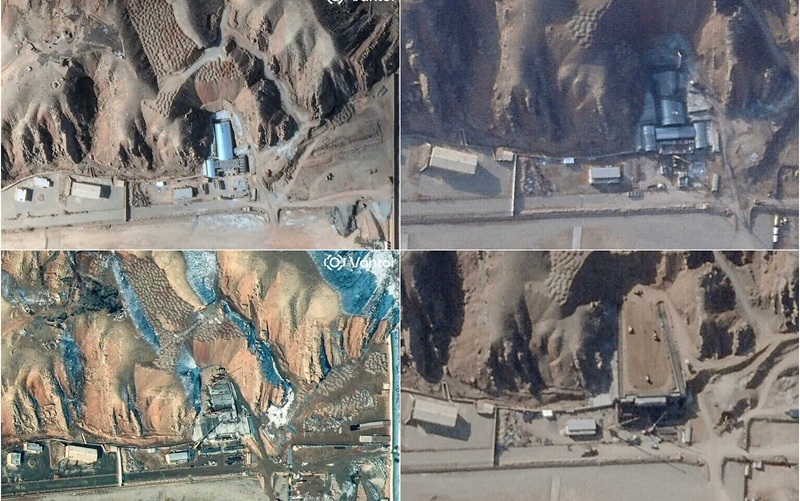
Although Washington has not confirmed any such deployment, the RQ-180’s mission profile aligns closely with current U.S. requirements: discreetly monitoring sensitive military, missile, and nuclear-related infrastructure in heavily defended airspace without triggering escalation.
A Platform Built for Silent Access
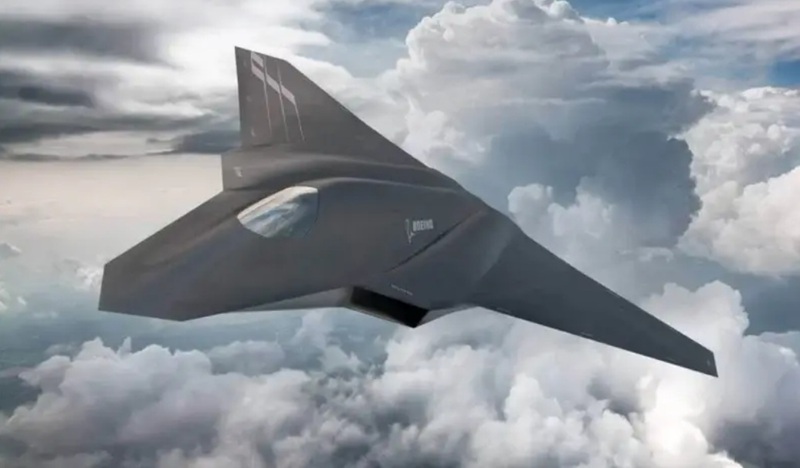
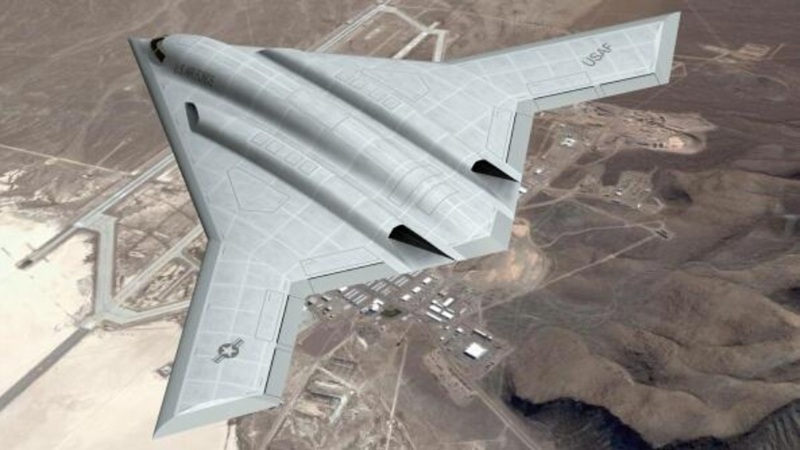
The RQ-180 is widely regarded as one of the most advanced unmanned aircraft ever developed. Believed to be produced in very limited numbers, the drone is designed for long-endurance, high-altitude missions over contested environments. Its flying-wing configuration, often compared to the B-2 Spirit, emphasizes low observability across radar, infrared, and electronic spectra.
Unlike armed drones, the RQ-180 is assessed to be a pure intelligence platform. Its payload is thought to include advanced synthetic aperture radar (SAR), electronic intelligence (ELINT) systems, and multi-spectral sensors capable of persistent surveillance over hundreds of kilometers.
Why Iran Fits the RQ-180 Mission Set
Iran’s layered air-defense network, which includes Russian-origin systems and indigenous radars, presents a complex surveillance challenge. Conventional ISR aircraft or satellites can leave detectable signatures or predictable collection patterns. A stealth UAV such as the RQ-180 allows U.S. planners to gather time-sensitive intelligence—missile movements, air-defense readiness, or infrastructure changes—without overtly signaling intent.
Defense analysts note that such deployments are often precursors to decision-making rather than indicators of imminent strikes. In past crises, the United States has relied on stealth ISR assets to reduce uncertainty, avoid miscalculation, and provide policymakers with verified, real-time assessments.
Strategic Signaling Without Public Footprints
The potential use of the RQ-180 would fit a broader U.S. approach of maintaining intelligence dominance while keeping public and diplomatic footprints minimal. Unlike carrier deployments or bomber task forces, stealth ISR operations remain invisible by design, allowing Washington to retain escalation control.
While speculation around the RQ-180 remains unavoidable due to its classified status, its very existence underscores a key reality: in any future U.S.–Iran crisis, the first phase is likely to be fought quietly—through sensors, data links, and unseen aircraft operating far above public awareness.