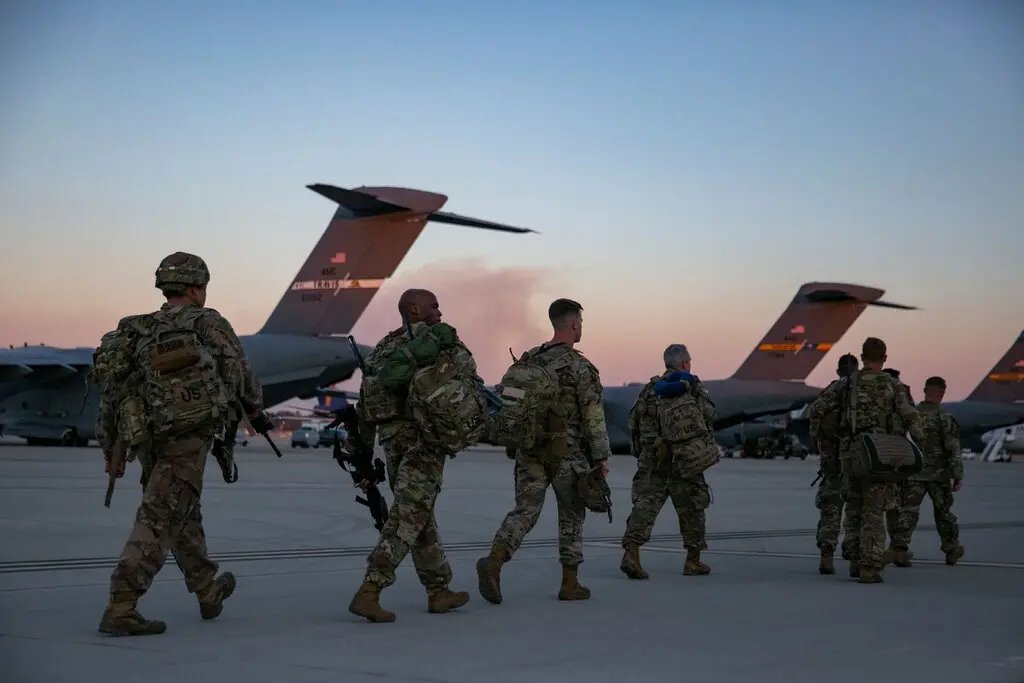
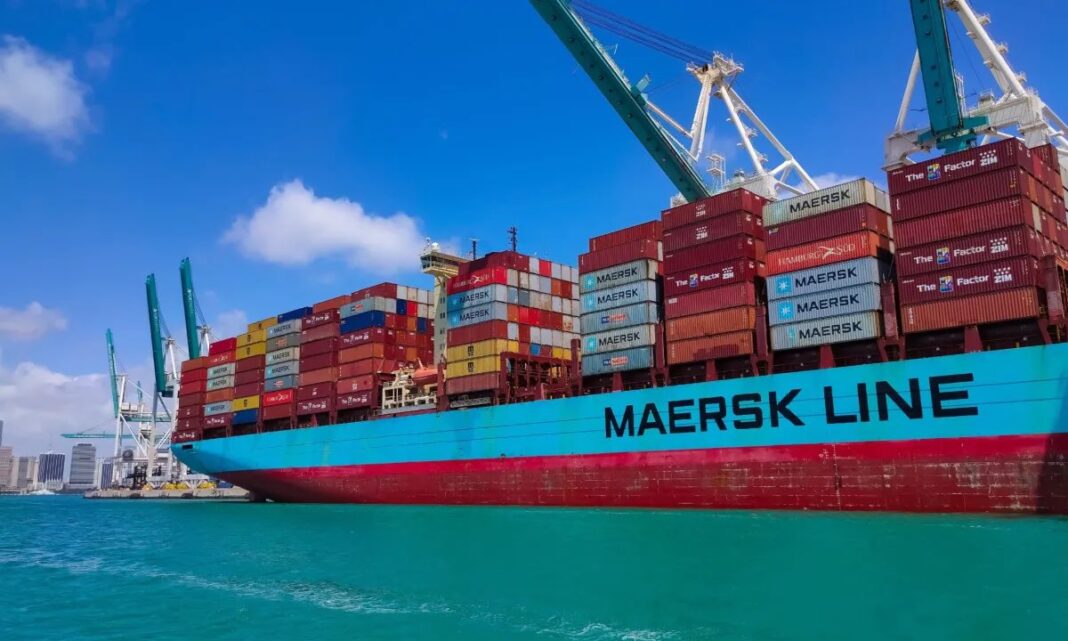
Western allies attempting to secure the Strait of Hormuz, the world’s most critical energy chokepoint, are confronting a sobering lesson: a similar mission in the Red Sea cost billions—and ultimately failed.
The earlier operation against Yemen’s Houthi forces resulted in:
- Four ships sunk
- Over $1 billion in weapons expended
- Continued disruption to shipping routes
Despite sustained military efforts, commercial vessels still largely avoid the Red Sea corridor today.
Why Hormuz Is a Far Greater Challenge
The situation in the Strait of Hormuz is significantly more complex.
Strategic Importance:
- Handles roughly 20% of global oil and LNG supply
- No viable alternative route exists
As one energy executive noted, the strait is not just regional—it is central to the global economy.
Iran vs Houthis: A Different Level of Threat
Unlike the Houthis, Iran presents a much more capable and sophisticated adversary:
Iranian Capabilities:
- Ballistic missiles
- Advanced drones
- Naval mines
- Mini-submarines
- Coastal launch systems hidden in terrain
Iran’s Islamic Revolutionary Guard Corps (IRGC) operates as a professional military force with:
- Domestic weapons production
- Access to significant resources
- Strategic depth along mountainous coastlines
This makes Hormuz a far more dangerous battlespace than the Red Sea.
Geography Favors Iran
The Strait of Hormuz presents unique geographic challenges:
- Narrow waterways
- Close proximity to Iranian coastline
- Limited maneuvering space for large warships
In some areas:
- Drones or attack boats could reach vessels in 5–10 minutes
This compresses reaction time and increases vulnerability.
Escorting Ships: A Complex and Costly Mission
Military experts say protecting shipping would require:
Heavy Deployment:
- Dozens of warships (including destroyers)
- Air cover from jets and drones
- Helicopter patrols
However, even advanced warships face limitations:
- Cannot simultaneously:
- Intercept missiles
- Clear mines
- Counter drone swarms
- Manage electronic warfare
This creates operational overload in a highly contested environment.
Mines and Swarm Attacks: The Hidden Threat
Unlike the Red Sea conflict, Hormuz introduces additional risks:
- Floating sea mines
- Explosive drone boats
- Mini-submarine attacks
Even a single successful strike could have massive consequences.
Worst-Case Scenario:
- Loss of a U.S. destroyer
- Hundreds of casualties
- Immediate escalation of the conflict
Economic Impact Already Visible
Iran’s actions in and around Hormuz have already triggered:
- Sharp increases in oil prices
- Supply disruptions
- Global market instability
Without reopening the strait:
The world could face higher energy, food, and transportation costs
Diplomatic and Military Options Under Debate
At the international level:
- UN Security Council discussions are ongoing
- Some nations support using “all necessary means” to secure the strait
Meanwhile, U.S. policy remains unclear:
- Initial commitment to escort ships
- Later suggestion that other nations should lead efforts
This reflects uncertainty about the scale and risk of intervention
Lessons from the Red Sea Failure
The Red Sea mission offers a critical warning:
Outcome:
- Tactical success (many drones intercepted)
- Strategic failure (shipping still disrupted)
As one analyst described it:
“A tactical victory, but a strategic draw—or even defeat.”
A Long and Costly Operation Ahead
Experts believe that reopening Hormuz would require:
- Months of sustained operations
- Continuous mine-clearing
- Persistent naval escorts
- Air dominance
Even then, success is not guaranteed.
Strategic Implications
Key Risks:
- Prolonged military engagement
- Rising economic costs
- Escalation with Iran
Key Reality:
- Protecting Hormuz is not a short-term mission
- It is a long-duration, high-risk operation
Conclusion
The effort to secure the Strait of Hormuz highlights the limits of military power in protecting global trade routes against determined adversaries.
If the Red Sea operation demonstrated how difficult such missions can be, Hormuz may prove even more challenging.
The question is no longer whether the strait can be protected—but at what cost, and for how long.