


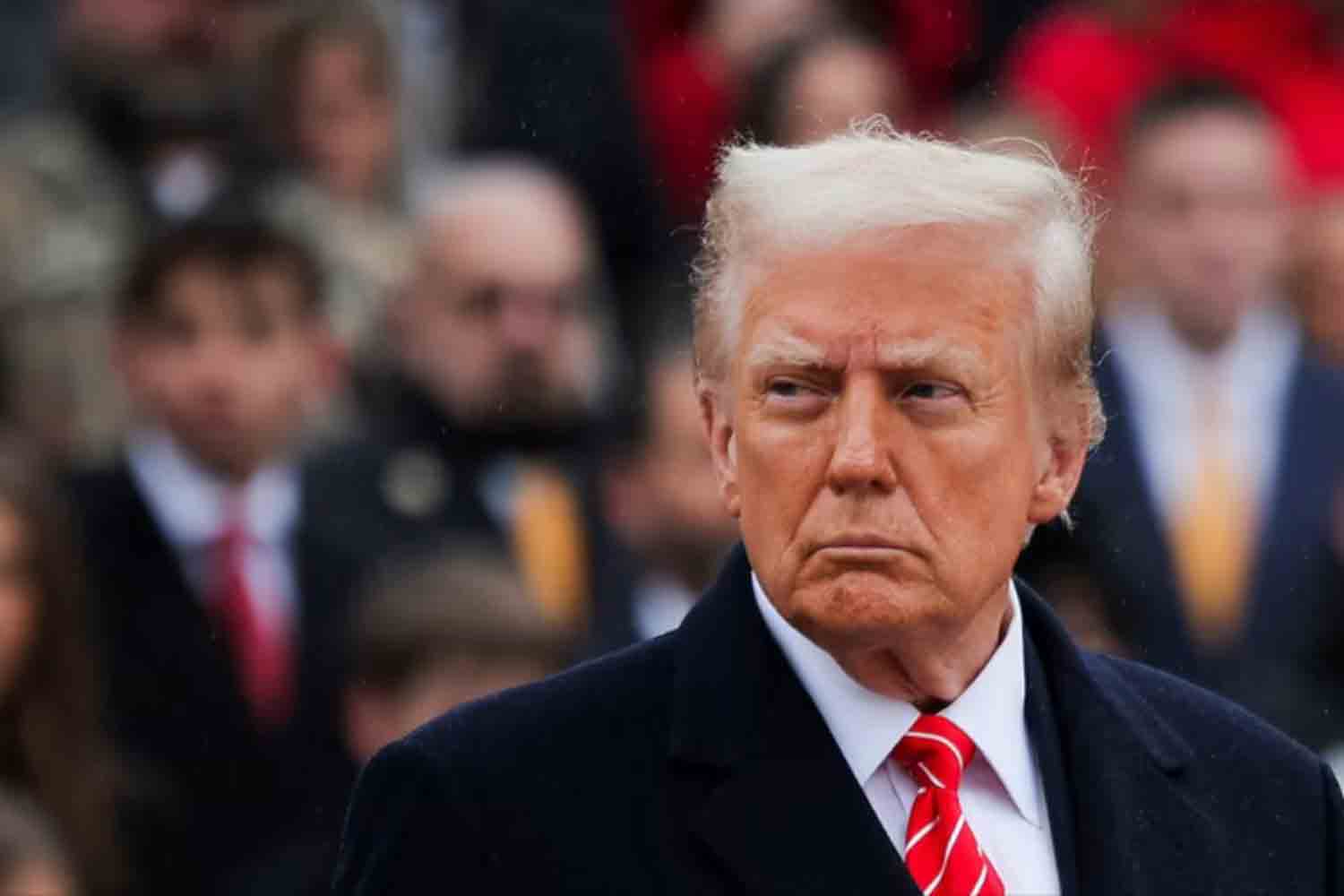
US President Donald Trump is signaling that Washington may be preparing to step back from the conflict with Iran, even as the Strait of Hormuz remains disrupted and global oil markets face growing uncertainty.
According to the draft, Trump has been telling US allies that they may have to deal with the consequences of the conflict on their own.
In a post on Truth Social, he wrote:
“Go get your own oil.”
The remark came amid growing signs that the administration may declare the mission complete without first restoring full freedom of navigation through one of the world’s most important energy routes.
Hormuz Remains the Core Strategic Issue
The Strait of Hormuz is one of the most critical shipping lanes in the world, through which a large share of global oil and LNG supplies traditionally transit.
If the conflict ends with Iran retaining effective control over the chokepoint, analysts say it would represent a significant strategic outcome for Tehran.
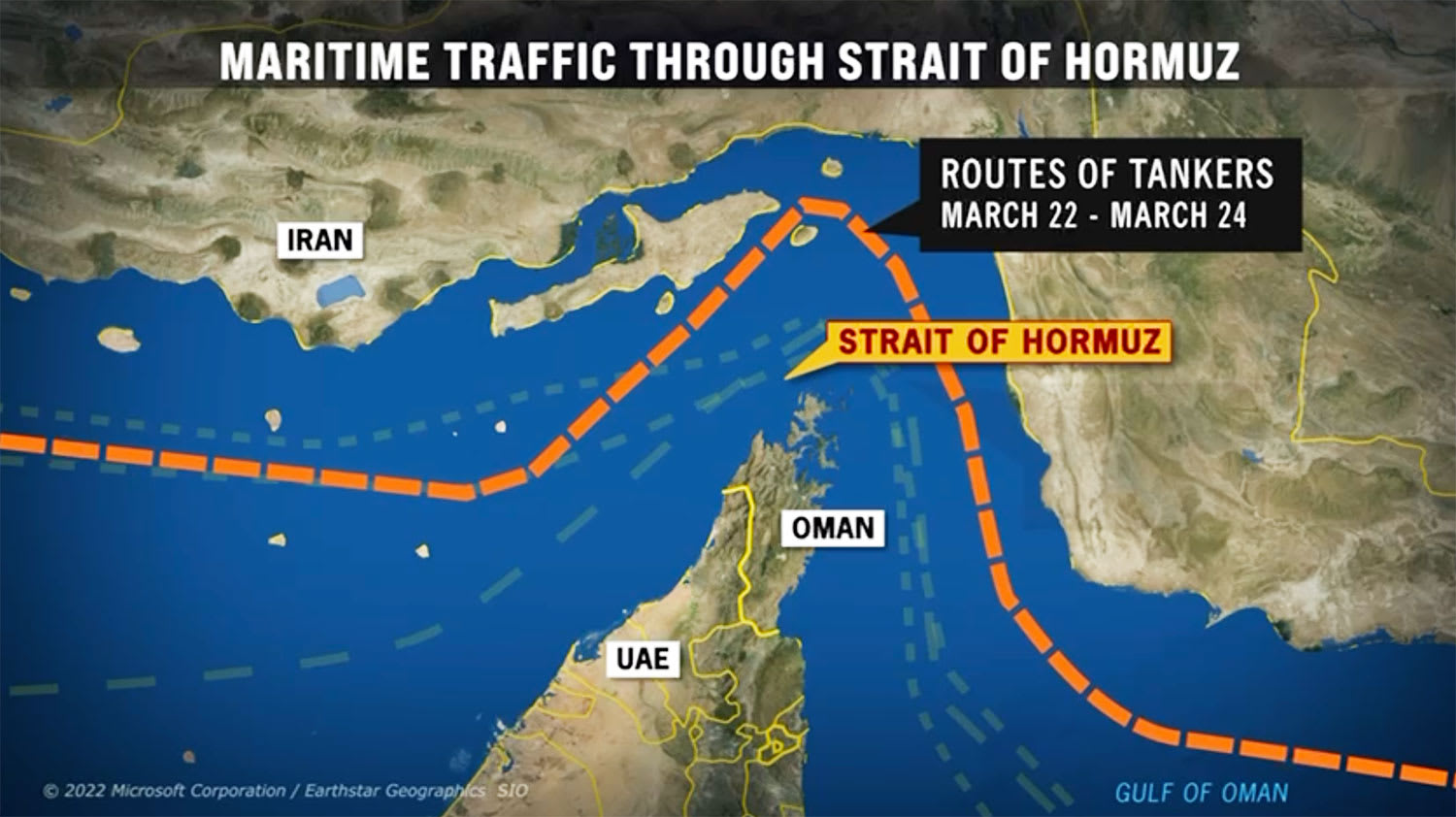
The draft notes that Iran could potentially use this position to:
- impose transit tolls
- leverage global energy prices
- rebuild damaged military and missile capabilities
Such a development would have immediate implications for global markets.
Economic Fallout Could Hit Global Markets
Even though the United States is one of the world’s largest oil producers, the report emphasizes that American consumers are still exposed to global oil pricing.
Because oil is traded globally, any supply disruption in Hormuz can raise prices worldwide.
This increases the risk of:
- inflation
- energy shortages
- economic slowdown
- possible global recession
The economic consequences could become politically significant ahead of upcoming US midterm elections.
Pressure on NATO and European Allies
The draft also highlights growing strain within the transatlantic alliance.
According to the report, Marco Rubio described the response of US allies as “very disappointing.”
This has fueled concerns in Europe that Washington’s security commitments may increasingly become conditional.
Some allies reportedly declined to fully support US offensive operations.
Examples mentioned include:
- the UK initially withholding base access
- Spain taking a more distant position
This is adding pressure on European governments to accelerate military investment and reduce reliance on US security guarantees.
Europe Faces Direct Economic Risks
Even if European countries remain outside the fighting, the draft argues they cannot avoid the consequences.
Potential risks include:
- rising fuel prices
- inflationary pressure
- supply chain disruption
- refugee flows if instability worsens in Iran
Several fragile European economies could face serious political fallout if energy prices continue to rise.
No Clear Military Solution
The draft notes that even major NATO powers lack the capacity to independently reopen the Strait without US support.
While some countries have niche capabilities such as minesweeping and escort missions, analysts question whether this would be sufficient in a high-threat environment involving Iranian drones and missiles.
Even the US Navy is described as facing major operational risks in the area.
This leaves no obvious military off-ramp for either side.
Trump’s Messaging May Still Be Tactical
The article also cautions that Trump’s public statements may be part of a negotiating strategy.
The draft notes that his rhetoric often serves as pressure on allies and adversaries alike.
This includes previous threats to strike Iranian infrastructure if peace terms are not accepted.
As a result, some analysts believe the public messaging may still be aimed at forcing diplomatic movement rather than signaling a final withdrawal.


[…] Trump’s Iran Endgame Raises Fears Over Hormuz, Oil Shock and NATO Rift […]